Building a Diverse Gut Microbiome
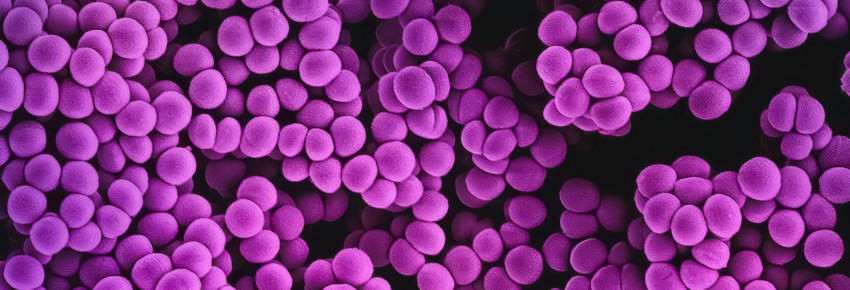
Why a Healthy and Diverse Gut Microbiome Matters
Your gut microbiome is a vast community of trillions of microorganisms, including bacteria, fungi, and viruses, that live in your digestive tract. Think of it as a bustling, living ecosystem. A healthy and diverse microbiome means having many different types of these microbes living in balance. This balance is crucial because these tiny inhabitants help you digest food, produce essential vitamins, regulate your immune system, and even influence your mood.
How Kefir Fortifies Your Gut with Probiotics
One of the most powerful ways to support and rebuild a diverse gut ecosystem is by introducing live friendly bacteria known as probiotics. Kefir, a fermented milk drink, is a champion in this area. Unlike many yogurts that contain only a few strains of bacteria, kefir is a complex culture containing a symbiotic colony of bacteria and yeasts. This means you are not just adding one type of microbe, but a whole community of them that work together.
The Unique Power of Kefir's Microbes
When you consume kefir, these live probiotic microbes travel to your gut. They do not permanently live there, but they provide a temporary, powerful boost to the existing population. They help crowd out harmful bacteria, produce acids that create a favorable environment for good microbes, and even help strengthen your gut lining. This process is like reseeding a garden with a rich mix of seeds to improve the soil. The yeasts in kefir also add an extra layer of diversity, which is often missing from other probiotic sources.
Combining Kefir with a Gut Friendly Regimen
A regimen for a healthy gut microbiome is not just about kefir. To maximize the effect, you must also feed the good bacteria you are introducing. This means including prebiotics in your diet. Prebiotics are types of fiber that your body cannot digest but that your gut microbes love to eat. Foods like garlic, onions, leeks, oats, and bananas are excellent sources. By pairing a regular serving of kefir with these prebiotic rich foods, you create a continuous cycle of feeding and fortifying your gut ecosystem.
Building Your Regimen Step by Step
Start slowly. Begin with a small portion of kefir, such as a quarter cup, each day to allow your microbiome to adjust. As your gut becomes accustomed to the new influx of microbes, you can gradually increase the amount. Consistency is key. A single dose offers a quick benefit, but a daily regimen helps maintain a more robust and diverse microbial community. Combine this with a diet rich in colorful vegetables, whole grains, and fermented foods like sauerkraut or kimchi for even greater diversity.
In summary, a healthy and diverse gut microbiome regimen is about intentional support. You introduce powerful, diverse probiotics through foods like kefir and then nourish them with prebiotic fibers. This two part approach does not just add a few good bacteria. It fortifies your entire gut ecosystem, making it more resilient, diverse, and capable of keeping you healthy.
The Gut Microbiome: A Hidden Ecosystem
Think of your gut as a vast, complex city. Inside your large intestine, trillions of tiny microorganisms, mostly bacteria, make up your gut microbiome. Just like a healthy city needs a diverse population of workers, artists, and engineers, a healthy gut needs a wide variety of microbial species. This diversity is the cornerstone of a resilient immune system, efficient digestion, and even stable mood regulation. A regimen for a healthy gut, therefore, is not about one single superfood, but about building an inclusive, balanced community for these microbes.
Probiotics and Natto: A Powerful Connection
Probiotics are live, beneficial bacteria that you can consume to boost your gut's city population. Think of them as new, helpful citizens moving in. One very special source of probiotics is natto, a traditional Japanese food made from fermented soybeans. Natto is unique because it contains a bacterium called Bacillus subtilis, a resilient, spore-forming probiotic that can survive the harsh journey through your stomach acid and reach your intestines alive and ready to work.
How Natto's Probiotics Fortify the Gut
When you include natto in your regimen, its Bacillus subtilis spores germinate in the intestines. This bacterium has been shown to support the immune barrier of the gut lining, making it stronger and less permeable, often referred to as having a healthy gut barrier function. A strong gut barrier prevents unwanted substances from leaking into the bloodstream. Furthermore, natto's probiotics produce natural compounds that can help suppress the growth of less friendly bacteria, maintaining a more balanced and harmonious microbial city.
Building a Diverse Regimen Around Natto
To truly fortify your gut, do not rely on natto alone. A diverse regimen means feeding the entire microbial community. Natto provides a specialized, hardy citizen, but the other citizens need food, called prebiotics. These are fibers found in foods like garlic, onions, bananas, and oats that your good bacteria feast on. Combining natto with a variety of colorful vegetables, whole grains, and other fermented foods like yogurt or sauerkraut creates an environment where many different species of beneficial bacteria can thrive, leading to a resilient and robust gut ecosystem.
Understanding the Gut Microbiome and Its Importance
Your gut is home to trillions of microorganisms, including bacteria, viruses, and fungi, collectively known as the gut microbiome. A healthy and diverse microbiome is crucial for digestion, immune function, and even mood regulation. Imagine it as a bustling city where each microbe has a specific job. When this city is populated by many different types of helpful microbes, it becomes resilient and efficient. A diverse diet with plenty of fiber from fruits, vegetables, and whole grains is the primary way to feed this microbial city.
Probiotics: The Key to Fortifying Your Gut
Probiotics are live microorganisms that provide health benefits when consumed in adequate amounts. Think of them as reinforcements or new citizens for your gut city. They help maintain balance by crowding out harmful bacteria and supporting digestion. While a diet rich in prebiotics (fiber that feeds good bacteria) is essential, probiotics add a direct boost.
Greek Yogurt as a Probiotic Star
Greek yogurt is one of the most accessible and delicious sources of probiotics. Unlike regular yogurt, Greek yogurt is strained to remove whey, making it thicker and often higher in protein. The live and active cultures found in authentic Greek yogurt, such as Lactobacillus bulgaricus and Streptococcus thermophilus, are the primary fighters for fortifying your gut. These probiotics survive stomach acid to reach your intestines, where they help digest lactose, produce certain vitamins, and support your immune system.
How Greek Yogurt Supports a Diverse Regimen
A regimen for a healthy gut is not just about one food; it is about combination and consistency. Including Greek yogurt daily introduces a consistent supply of beneficial bacteria. This is especially effective when paired with prebiotic-rich foods like oats, berries, or bananas. Diversity thrives on variety. While Greek yogurt is a powerful probiotic source, rotating it with other fermented foods like kefir, sauerkraut, or kimchi ensures you are feeding your gut a wider array of microbial species. Remember, no single food can create a fully diverse microbiome on its own, but Greek yogurt is a foundational piece of the puzzle.
Practical Tips for Incorporating Greek Yogurt
To maximize gut benefits, always choose plain Greek yogurt with live and active cultures on the label. Avoid sweetened varieties as added sugars can feed harmful bacteria. Instead, add your own toppings like fresh fruit, a drizzle of honey, or a sprinkle of nuts for extra fiber. This way, you build a meal that combines probiotics directly with prebiotics, which is the ultimate regimen for a robust and diverse gut.
By consistently including Greek yogurt in your diet, you are directly fortifying your gut with reinforcements that work alongside a varied diet to promote long term digestive health and overall well being.
The Power of a Healthy and Diverse Gut Microbiome
Think of your gut microbiome as a bustling, living city inside your digestive tract. This city is home to trillions of microorganisms, including bacteria, viruses, and fungi. When this city is healthy and diverse, meaning it has many different types of "citizens," your body functions better. It helps with digestion, supports your immune system, and even influences your mood. A diverse microbiome is like a thriving ecosystem in a forest, where many species work together to keep everything balanced. Without this diversity, your gut city can become weak and vulnerable.
A Regimen for Fortifying Your Gut
A regimen is simply a consistent plan or routine you follow. To build a strong and diverse gut microbiome, your regimen should include foods and drinks that help the good bacteria grow. This is where probiotics come in. Probiotics are live, beneficial bacteria that you can consume directly. Think of them as skilled reinforcements you send into your gut city to boost its population of friendly citizens. By regularly adding probiotics to your diet, you are actively working to make your inner ecosystem more resilient.
Introducing Kombucha Tea as a Probiotic Powerhouse
One excellent source of probiotics is kombucha tea. Kombucha is a fermented black or green tea. The fermentation process is started by a symbiotic culture of bacteria and yeast, often called a SCOBY. During fermentation, the SCOBY works its magic, producing a tangy, fizzy drink that is naturally rich in probiotics. When you drink kombucha, you are directly introducing these live, friendly bacteria into your gut. This helps to fortify your microbiome, which means to strengthen it against harmful bacteria and other disruptions.
However, it's important to be a smart student of your own health. Not all store-bought kombucha is created equal. Look for brands that are unpasteurized and have a low sugar content, because pasteurization kills the live probiotics you are trying to get. Making your own kombucha at home can be a fun and rewarding way to ensure you get a potent dose of these fortifying bacteria. Remember, adding kombucha to your regimen is just one part of the bigger picture.
Building a Complete Gut Fortification Plan
A diverse gut microbiome is not built on kombucha alone. For the best results, your regimen should also include prebiotics. Prebiotics are types of fiber that feed the good bacteria already in your gut. Think of prebiotics as the nutritious fertilizer for your gut city. You can get prebiotics from foods like garlic, onions, bananas, and oats. When you combine probiotics from kombucha with prebiotics from whole foods, you create a powerful synergy. The probiotics are the new residents, and the prebiotics are the food that helps them settle in and thrive.
In summary, think of your gut fortification regimen as a three-part plan. First, eat a wide variety of whole foods to encourage natural diversity. Second, consume fermented foods like kombucha tea to introduce new, beneficial bacteria. Third, include prebiotic-rich foods to feed those bacteria. By following this consistent regimen, you help your inner ecosystem become a strong, diverse, and resilient city that supports your entire body.
The Foundation: A Healthy and Diverse Gut Microbiome
Think of your gut microbiome as a bustling, thriving city of trillions of tiny microorganisms, including bacteria, fungi, and viruses. For your overall health to be robust, this city needs to be diverse. A diverse microbiome means many different species are living together, each contributing unique skills. This diversity helps you digest food, produce vital vitamins like vitamin K and some B vitamins, and communicate with your immune system to keep it strong and balanced, not overreactive.
Probiotics: The Key Reinforcements
Probiotics are live, beneficial bacteria that you can introduce into your gut. Think of them as friendly settlers arriving in your microbial city. They help strengthen the city's defenses, improve digestion, and can even help crowd out harmful bacteria. One of the most accessible and effective sources of probiotics is a simple, fermented food: sauerkraut.
Sauerkraut: A Probiotic Powerhouse
When raw cabbage is fermented with salt, Lactobacillus bacteria naturally present on the cabbage begin to multiply. This process creates a tangy, crunchy food that is teeming with live probiotics. Unlike many other fermented foods, unpasteurized sauerkraut retains these live cultures because it is not heated after fermentation. Pasteurization, common in grocery store sauerkraut, kills the beneficial bacteria, so always look for refrigerated, unpasteurized sauerkraut to get the real probiotic benefits.
How Sauerkraut Fortifies Your Gut
Adding just a few tablespoons of unpasteurized sauerkraut to your meal introduces a concentrated dose of Lactobacillus bacteria directly into your gut. These probiotics can help fortify your gut lining, making it a stronger barrier against toxins and undigested food particles. They also help to rebalance your microbiome after disruptions caused by stress, poor diet, or antibiotics. By consistently including sauerkraut in your regimen, you are actively adding new, beneficial residents to your gut city, promoting biodiversity and resilience.
A Note for Intermediate Learners
Remember, a regimen is a consistent practice. It is not about a single perfect food but about regularly including probiotic sources like sauerkraut alongside prebiotic fibers, such as those found in onions, garlic, and whole grains. Prebiotics are the food for your probiotics. Together, they form a powerful duo that cultivates a healthy, diverse, and fortified gut microbiome over time. Experiment with adding a spoonful of sauerkraut to salads, sandwiches, or as a side to cooked vegetables.
Building a Fortress for Your Gut: The Power of Sauerkraut and Probiotics
To understand how sauerkraut fortifies your gut, we first need to picture your digestive system as a bustling city. Inside this city, trillions of tiny microorganisms—bacteria, fungi, and other microbes—live together. This community is your gut microbiome. A healthy, diverse microbiome is like a city with many different types of skilled workers: some help digest food, others produce vitamins, and many train your immune system to fight off invaders. When this microbiome lacks diversity, it is like a city with only one type of worker—fragile and prone to collapse.
What is a Gut Microbiome Regimen?
A gut microbiome regimen is a deliberate, daily plan to feed and support this microbial city. Think of it as a gardening routine: you need to plant good seeds (probiotics), water them (prebiotics), and avoid weed killers (excess sugar, processed foods, and unnecessary antibiotics). The goal is to increase the diversity and resilience of your microbial community. A key part of this regimen is consuming fermented foods, which are like a delivery system for live, beneficial bacteria.
Why Sauerkraut is a Probiotic Powerhouse
Sauerkraut—made from fermented cabbage—is one of the most accessible and potent probiotic foods. During fermentation, Lactobacillus bacteria naturally present on the cabbage multiply. These bacteria consume sugars in the cabbage and produce lactic acid, which acts as a natural preservative and gives sauerkraut its tangy flavor. When you eat live, unpasteurized sauerkraut, you are directly introducing billions of these Lactobacillus bacteria into your gut.
How Sauerkraut Reinforces Your Gut Walls
Probiotics like those in sauerkraut do not just pass through your gut; they actively strengthen its architecture. Your gut lining is a single layer of cells that must allow nutrients in while keeping harmful substances out. Lactobacillus strains from sauerkraut can help tighten the connections between these cells, a process called enhancing intestinal barrier function. This makes your gut lining a stronger, less permeable fortress wall, preventing "leaky gut" where toxins and undigested food particles slip into your bloodstream.
Boosting Microbial Diversity One Bite at a Time
Each serving of live sauerkraut adds unique strains of bacteria to your gut city. A diverse microbiome is more adaptable and better able to resist domination by harmful bacteria, like Clostridium difficile. By regularly consuming sauerkraut, you are not just adding a single strain; you are introducing a community of lactic acid bacteria that can cross-talk with your existing microbes. This interaction encourages the growth of other beneficial species, gradually increasing the overall diversity of your gut ecosystem.
Practical Steps for Incorporating Sauerkraut into Your Regimen
To truly fortify your gut, choose refrigerated, unpasteurized sauerkraut. Pasteurization kills the live probiotics. Start with just one to two tablespoons a day, as your gut may need time to adjust. You can add it as a tangy topping to salads, sandwiches, or even alongside eggs or roasted vegetables. The key is consistency—think of it as a daily "probiotic pill" from whole food. Remember, a healthy regimen also includes plenty of prebiotic fibers (from onions, garlic, oats) to feed the new bacteria you are introducing. This partnership between probiotics from sauerkraut and prebiotics from your whole food diet is the cornerstone of a truly resilient and diverse gut microbiome.
Understanding the Gut Brain Axis
The connection between your gut and your brain is far more direct than you might think. This two way communication highway is called the Gut Brain Axis. It is a network of nerves, hormones, and immune signals that link your central nervous system, which is your brain and spinal cord, to your enteric nervous system, which is the complex web of nerves lining your digestive tract. Think of it as a constant conversation. Your gut sends messages to your brain about digestion, nutrient availability, and even your mood, while your brain influences gut movement, digestion, and the health of your intestinal lining.
The Microbiome as the Key Messenger
At the heart of this axis is your gut microbiome, the vast community of trillions of microorganisms living inside your intestines. These bacteria, fungi, and viruses are not just passive passengers; they are active participants. They produce neurotransmitters like serotonin and dopamine, which directly affect your brain's chemistry and emotional state. They also generate short chain fatty acids that strengthen the gut barrier, preventing harmful substances from leaking into your bloodstream and triggering inflammation that can affect the brain. When your microbiome is balanced and diverse, the signals it sends are calm and supportive. When it is disrupted, the conversation can become noisy and stressful.
Fortifying the Gut with Probiotics from Kefir
One of the most powerful ways to improve this conversation is by fortifying your gut with beneficial bacteria, known as probiotics. Probiotics are living microorganisms that, when consumed in adequate amounts, confer a health benefit. They help restore balance to your microbiome, crowd out harmful bacteria, and strengthen the gut lining. Among the richest natural sources of probiotics is a fermented dairy drink called kefir.
Why Kefir is a Superstar Probiotic Source
Kefir is unique because it contains a much wider variety of beneficial bacteria and yeasts than yogurt. The fermentation process uses kefir grains, which are colonies of bacteria and yeast, to create a tangy, nutrient packed beverage. These microorganisms work synergistically to colonize your gut. Key benefits of kefir for the Gut Brain Axis include:
Diverse Microbial Strains: Unlike many supplements that offer a single strain, kefir provides dozens of different probiotic species. This diversity is crucial because a healthy microbiome is a diverse one. The more variety you introduce, the more resilient your gut ecosystem becomes.
Improved Gut Barrier: The probiotics in kefir help strengthen the tight junctions between intestinal cells. This prevents a condition called leaky gut, where toxins and undigested food particles slip into the bloodstream, triggering an immune response that can inflame the brain and contribute to anxiety or brain fog.
Boosts Neurotransmitter Production: Many of the bacterial strains in kefir are capable of producing gamma aminobutyric acid, or GABA, a calming neurotransmitter. By colonizing your gut, these probiotics can increase your body's natural production of GABA, which may help reduce stress and improve sleep quality. They also support serotonin production, which is essential for mood regulation.
Practical Steps to Incorporate Kefir
To begin fortifying your gut, start with a small serving of plain, unsweetened kefir. About half a cup per day is a reasonable beginning. You can drink it straight, blend it into a smoothie with fruits, or use it as a base for salad dressings. Remember that consistency matters more than quantity. As your gut adapts, you can gradually increase your intake. The goal is to feed your microbiome a steady supply of these helpful microbes, encouraging a thriving community that communicates positively with your brain. Over time, this daily habit can support not only better digestion but also a clearer, more balanced state of mind.
Have you ever had a "gut feeling" about something? It turns out this is more than just a figure of speech. Your gut and your brain are in constant, two-way communication through a complex network often called the gut-brain axis. This axis is like a superhighway of signals, using nerves, hormones, and immune messages that travel between your digestive system and your central nervous system.
A key player in this communication is your microbiome—the vast community of trillions of bacteria, fungi, and other tiny organisms living in your intestines. These microbes act like tiny messengers, producing chemicals that can influence your mood, stress levels, and even cognitive function. When your microbiome is balanced and diverse, this messaging system works smoothly. But when it's out of balance, it can contribute to feelings of anxiety, brain fog, or other issues. So, how can we strengthen this vital connection?
Fortifying Your Gut with Natto
One powerful way to support a healthy microbiome is by eating fermented foods that are rich in probiotics, which are live beneficial bacteria. A less common but highly potent source is natto, a traditional Japanese food made from fermented soybeans. Natto is unique because it contains a specific strain of bacteria called Bacillus subtilis.
The Super Strength of Bacillus subtilis
This bacterium is a champion for the gut-brain axis for a few reasons. First, Bacillus subtilis is a spore-forming probiotic, meaning it creates a tough, protective shell. This allows it to survive the harsh, acidic environment of your stomach and make it alive to your intestines, where it can do the most good. Many other probiotics from yogurt or supplements break down before they ever reach your gut.
Once in your intestines, Bacillus subtilis helps fortify your gut in several ways. It produces a powerful enzyme called nattokinase, which is known for supporting healthy blood flow. Good blood circulation is crucial because it helps deliver oxygen and nutrients to both your gut cells and your brain. Additionally, this bacteria helps break down tough plant fibers, creating short-chain fatty acids that feed the other good bacteria in your gut. A well-fed microbiome is a happy and balanced microbiome.
The most exciting connection to the brain is that a robust gut lining, supported by probiotics like those from natto, helps reduce systemic inflammation. When your gut wall is strong, it prevents unwanted particles from leaking into your bloodstream and triggering an immune response. Lower inflammation throughout your body is linked to lower inflammation in the brain, which can positively impact your mood and mental clarity. By including natto in your diet, you are not just feeding your gut; you are sending a clear, calm signal up that superhighway to your brain.
Note: Natto has a strong, distinctive taste and a sticky, stringy texture. For best results, start with small amounts mixed into rice or salads. If you are new to it, your taste buds may need time to adjust, but your microbiome will thank you.
The Gut Brain Axis: A Two Way Conversation
Imagine your gut and your brain are constantly texting each other. This ongoing conversation is called the gut brain axis. Your gut is home to trillions of tiny living organisms called your microbiome, and these organisms send signals along a super highway of nerves, like the vagus nerve, straight to your brain. At the same time, your brain sends signals back, affecting how your gut moves, digests food, and even how it feels. This axis is powerful: a healthy gut can help you feel more calm and focused, while an unhappy gut might make you feel anxious or foggy.
Fortifying Your Gut with Probiotics from Greek Yogurt
The best way to improve this conversation is to feed your microbiome the good guys. Probiotics are live, beneficial bacteria that you can add to your gut. Think of them as reinforcements for your gut's army. One of the easiest and most delicious ways to get probiotics is through Greek yogurt. Unlike regular yogurt, Greek yogurt is strained to remove whey, making it thicker and often packing a much larger dose of friendly bacteria per spoonful.
Why Greek Yogurt Is a Superstar for Your Gut
Greek yogurt is rich in specific probiotic strains like Lactobacillus bulgaricus and Streptococcus thermophilus. When you eat these, they travel to your colon and help strengthen the gut lining. A strong gut lining is like a well maintained castle wall: it prevents toxins and invaders from leaking into your bloodstream and causing inflammation, which is a major source of brain fog and mood swings. By eating Greek yogurt regularly, you are essentially sending a care package of reinforcements to your microbiome.
To get the most benefit, look for Greek yogurt labeled "live and active cultures." This guarantees that the probiotics are still alive and ready to work. You can eat it plain, or add a little fruit like berries for extra fiber, which feeds the probiotics. It's a simple, daily habit that can dramatically improve the signal quality on your gut brain axis, helping you feel sharper, calmer, and more energized every day.
The Gut Brain Axis: A Two Way Conversation
Think of your gut and your brain as two old friends who are constantly sending each other text messages. This communication highway is called the gut brain axis. It is not a single road but a complex network of nerves, hormones, and chemical signals that connects your central nervous system (your brain and spinal cord) to your enteric nervous system (often called your second brain, which lines your digestive tract). Interestingly, about 90 percent of the feel good neurotransmitter serotonin is actually produced in your gut, not your brain. This means that the health of your microbiome can directly influence your mood, stress levels, and even your focus.
The Microbiome: A City of Tiny Tenants
Living inside your gut is a vast community of trillions of microorganisms, including bacteria, viruses, and fungi. This is your microbiome, and it functions like a bustling city. A healthy microbiome has a diverse population of mostly helpful good bacteria that help digest food, synthesize vitamins, and keep inflammation in check. When this city becomes unbalanced, either from a poor diet, stress, or antibiotic use, the bad bacteria can take over. This imbalance is called dysbiosis, and it can cloud the signals being sent to your brain, potentially contributing to feelings of anxiety or brain fog.
Fortifying the Gut: The Role of Probiotics
One of the most direct ways to improve your gut brain axis is by fortifying your gut with probiotics. Probiotics are live, beneficial bacteria that you can consume to help reseed and rebalance your microbiome. Think of them as friendly reinforcements sent to help the good bacteria in your gut city thrive. By boosting the population of these helpful microbes, you can improve digestion, strengthen your gut lining, and promote the production of those important mood regulating chemicals that signal back to your brain.
Kombucha Tea: A Fermented Ally
A delicious and ancient source of probiotics is kombucha tea. This fizzy, fermented drink is made by adding a symbiotic culture of bacteria and yeast, called a SCOBY, to sweetened black or green tea. During fermentation, the SCOBY converts sugar into organic acids, B vitamins, and a rich array of probiotics. When you drink kombucha, you are essentially delivering a direct dose of these live, helpful bacteria to your digestive system. The organic acids in kombucha also help create a more acidic environment in the gut, which can discourage the growth of harmful bacteria while encouraging the growth of beneficial ones. This process actively fortifies your gut ecosystem, helping to maintain a strong and diverse microbiome that can send clear, positive signals to your brain.
Putting It All Together
To improve your gut brain axis, you are not just drinking a beverage, you are nurturing a relationship. By regularly consuming probiotic rich foods like kombucha, you are actively supporting your microbiome. A healthier, more diverse microbiome helps reduce inflammation, improves the lining of your gut to prevent leaky gut (where toxins escape into the bloodstream), and optimizes the production of neurotransmitters. This leads to clearer communication between your gut and your brain, which can translate to better mood, sharper focus, and greater resilience to stress. Remember, a happy gut often means a happy mind.
The Gut Brain Axis: A Two Way Conversation
Imagine your gut and your brain are constantly talking to each other. This communication highway is called the gut brain axis. It involves nerves, like the vagus nerve, as well as chemical messengers and signals from your immune system. A key player in this conversation is the vast community of microorganisms living in your intestines, known as the gut microbiome. When your microbiome is diverse and healthy, it sends positive signals to your brain, supporting mood, focus, and even stress resilience. When it is out of balance, the conversation can become strained, potentially affecting your mental well being.
Fortifying the Gut: The Role of Probiotics from Sauerkraut
One powerful way to support a healthy microbiome is by consuming probiotics. These are live, beneficial bacteria that can colonize your gut. A fantastic and traditional source of probiotics is sauerkraut. This fermented cabbage is not just a tasty condiment, it is a natural powerhouse of live Lactobacillus bacteria. These bacteria can help fortify your gut by crowding out harmful microbes and strengthening the intestinal lining. This makes the gut barrier less "leaky" and more selective about what passes into your bloodstream, which in turn reduces systemic inflammation that can affect the brain.
How Sauerkraut Probiotics Specifically Improve the Axis
When you eat unpasteurized sauerkraut, you introduce a fresh supply of Lactobacillus strains directly into your digestive tract. These bacteria produce lactic acid, which creates an environment that supports other good bacteria and suppresses pathogens like Clostridium difficile. But the benefits go beyond the gut. Studies suggest that certain Lactobacillus strains can actually increase the production of GABA, a neurotransmitter that promotes calmness and reduces anxiety. They can also influence the production of serotonin, often called the "happy chemical," most of which is actually made in your gut. By boosting these microbial allies, sauerkraut helps ensure the messages sent up the vagus nerve to the brain are calming and supportive, rather than inflammatory or stressful.
Practical Steps for Incorporating Sauerkraut
To get true probiotic benefits from sauerkraut, it must be unpasteurized and refrigerated. Pasteurization, which is common in shelf stable jars, kills the live bacteria you need. Look for sauerkraut in the refrigerated section of your grocery store. Start with a small serving, like one to two tablespoons a day, and gradually increase to a quarter cup or more. You can add it to salads, sandwiches, or eat it as a side dish. Remember that sauerkraut can be high in sodium, so if you are watching your salt intake, choose a low sodium version. Consistency over time is more important than large amounts, as the goal is to steadily fortify your gut microbiome and improve that crucial conversation between your gut and your brain.
Understanding the Two‑Way Street: The Gut‑Brain Axis
Before we can talk about how sauerkraut and probiotics help, we need to understand the "gut‑brain axis." Think of it as a constant, two‑way conversation between your stomach and your brain. Your gut is sometimes called your "second brain" because it contains millions of nerve cells that send messages directly to your brain via the vagus nerve. Meanwhile, your brain sends signals that affect gut movement, digestion, and even the types of bacteria that live there. When this conversation is balanced, you feel good both mentally and physically. But when it gets disrupted, it can affect your mood, focus, and even your immune system.
The Microbiome: Your Gut's Tiny Workers
Inside your gut lives a huge community of bacteria, fungi, and other microbes called the microbiome. These little workers help digest food, produce essential vitamins, and control inflammation. Most importantly, they influence your brain. Some microbes produce neurotransmitters like serotonin and dopamine which are crucial for happiness, calmness, and motivation. In fact, about 90 percent of your body's serotonin is made in your gut, not your brain. A healthy microbiome means these good microbes thrive, keeping that gut‑brain conversation positive.
From Gut Troubles to Mental Fog: Why Fortifying Matters
When your microbiome is out of balance (a state called dysbiosis) the gut‑brain axis can suffer. You might experience brain fog, sluggishness, or even anxiety. Processed foods, stress, antibiotics, and lack of sleep can all harm your good gut bacteria. This is where probiotics step in. Probiotics are live, beneficial bacteria that you can eat to help repopulate your gut with the right kind of microbes. They work like a "reset" button for your microbiome, helping to reduce inflammation and restore the communication pathways to your brain.
Sauerkraut: Probiotic Powerhouse
One of the most effective and affordable ways to get probiotics is from sauerkraut. Sauerkraut is made by fermenting cabbage with salt and beneficial bacteria like Lactobacillus. This fermentation process creates a living food packed with billions of probiotic bacteria. Unlike many store‑bought yogurts that are heat‑treated and have no live cultures, real, refrigerated sauerkraut is a living food. When you eat it, those live bacteria travel to your gut, where they can start fortifying your microbiome. They help crowd out harmful bacteria and produce short‑chain fatty acids that nourish the cells lining your gut wall.
Why is sauerkraut so helpful for the brain? Because a stronger gut wall, supported by probiotics from sauerkraut, means less inflammation and fewer harmful substances leaking into your bloodstream. A healthier gut lining directly improves the messages sent to your brain. Eating a few tablespoons of unpasteurized sauerkraut daily can boost your mood, sharpen your focus, and reduce that afternoon fog.
How to Use Sauerkraut to Fortify Your Gut‑Brain Axis
To get the brain benefits, look for sauerkraut kept in the refrigerated section of the grocery store (pasteurized, shelf‑stable kinds in jars often have no live probiotics) . Start with one to two tablespoons per day on top of eggs, salads, or alongside a meal. Because sauerkraut is also high in sodium, drink extra water. Over several weeks, you may notice improved digestion, more stable energy, and a calmer, clearer mind. Remember that diversity is key: a balanced gut‑brain axis thrives on many types of fiber and fermented foods, so think of sauerkraut as a major player, not the only one.
In summary, improving your gut‑brain axis is about feeding your microbiome well. Probiotics from sauerkraut directly support the friendly bacteria that help produce mood‑boosting neurotransmitters and keep inflammation low. By including a small serving of live, fermented sauerkraut in your diet, you are giving your gut the tools it needs to send better signals to your brain. After all, a happy gut truly does mean a happy mind.
A Closer Look at Kefir and Insulin Sensitivity
Let’s begin with a clear understanding of what we are discussing. Insulin sensitivity refers to how effectively your body’s cells respond to the hormone insulin. When cells are highly sensitive, they take up glucose from your blood efficiently, which helps maintain stable blood sugar levels. When sensitivity decreases, a condition known as insulin resistance can develop, which is a risk factor for type 2 diabetes. Now, you might be surprised to learn that the probiotics found in kefir, a fermented milk drink, can play a positive role here.
How Probiotics from Kefir May Support Better Insulin Function
Kefir is rich in a diverse community of probiotics, including beneficial bacteria and yeasts. When consumed, these probiotics travel to your gut and influence its microbial environment. This is important because the gut microbiome is not just involved in digestion; it also communicates with your entire body, including how your cells handle insulin. Research suggests that certain probiotic strains in kefir can produce compounds that reduce chronic inflammation. Since low-grade inflammation is a key driver of insulin resistance, lowering it can help restore your cells' sensitivity to insulin.
Additionally, the probiotics in kefir may improve the integrity of your intestinal lining. A healthy gut barrier prevents harmful substances from leaking into your bloodstream, which can otherwise trigger immune responses and promote insulin resistance. By strengthening this barrier, kefir’s probiotics help maintain a calmer internal environment, allowing insulin to work more effectively. Some strains also produce short-chain fatty acids when they ferment fibers in your diet, and these fatty acids have been shown to directly enhance how muscle and liver cells respond to insulin.
A Practical Note on Kefir and Your Health
It is important to remember that while these benefits are promising, kefir is not a cure-all. For intermediate students, a key takeaway is that consistent consumption of kefir, as part of a balanced diet rich in whole foods, can be a supportive strategy for maintaining healthy blood sugar control. Many commercial kefir products are available, but choosing plain, unsweetened versions is best, as added sugars can counteract the positive effects. The probiotics in kefir work best when your diet also includes prebiotic fibers, such as those found in vegetables and oats, which feed these beneficial microbes.
In summary, the probiotics in kefir help create a gut environment that is less inflamed and more supportive of metabolic health. By reducing inflammation and supporting the gut barrier, they can contribute to improved insulin sensitivity. This is an excellent example of how the trillions of microbes living inside you can directly influence your body's core processes, such as how it manages energy and blood sugar. As always, for deeper understanding, consider how fermented foods like kefir connect the health of your digestive system to your overall metabolic well being.
Let’s talk about how the probiotics in kefir can help your body digest lactose better. Kefir is a fermented dairy drink that is packed with friendly bacteria and yeast, often called probiotics. These tiny organisms do a lot of work inside your gut, and one of their special skills is helping with lactose digestion.
What is lactose and why is it a problem for some people?
Lactose is a natural sugar found in milk and other dairy products. Your body normally uses an enzyme called lactase to break down lactose in your small intestine. Many people, especially as they grow older, produce less lactase. This is called lactose intolerance. When undigested lactose reaches your large intestine, it can cause uncomfortable symptoms like bloating, gas, or diarrhea.
How probiotics in kefir change the game
Kefir is special because it contains a huge variety of probiotic strains, including Lactobacillus and Bifidobacterium. These beneficial bacteria actually produce their own lactase enzyme. As you drink kefir, these probiotics start breaking down lactose before it even reaches your small intestine. Some of the work happens in the kefir itself during fermentation, so the finished drink already has less lactose than regular milk.
Once inside your gut, the live probiotics continue to help. They colonize your digestive tract and produce lactase on the spot, making it easier for your body to handle any remaining lactose. For many people, this means they can enjoy kefir without the discomfort that comes from drinking regular milk. Studies even show that people with lactose intolerance often have fewer symptoms when they consume kefir compared to other dairy products.
A practical comparison to remember
Think of regular milk as a heavy box you have to lift alone. If your lactase levels are low, that box is hard to handle. Kefir is like having a team of small helpers, the probiotics, who lift part of the weight for you. They produce their own lactase and reduce the overall load on your digestive system. This is why kefir is often described as being self-digesting in a way.
Key takeaway for intermediate learners
Probiotics in kefir are not just good for your general gut health. They directly help you break down lactose by providing extra lactase enzyme. This makes kefir a friendlier option for those who struggle with dairy. Remember that not all kefirs are the same, look for versions that contain a wide variety of live and active cultures to get the best digestive benefits.
Understanding the Immune System and Probiotics
Our immune system is a complex network of cells, tissues, and organs that work together to defend the body against harmful invaders like bacteria, viruses, and toxins. Think of it as your body's personal security team. To function at its best, this team needs support. One powerful way to support it is through the probiotics found in a fermented dairy drink called kefir. Probiotics are live, beneficial bacteria that can provide a huge boost to your health, especially your immune system.
How Kefir Probiotics Work Inside You
Kefir is unique because it contains a diverse community of probiotic strains, including Lactobacillus, Bifidobacterium, and beneficial yeasts. When you consume kefir, these living microorganisms travel to your gut. Your gut is home to trillions of bacteria that make up your gut microbiome. This microbiome is actually a central command center for your immune system. The probiotics from kefir help to balance this community, crowding out harmful bacteria and creating a healthy environment. A balanced gut microbiome is directly linked to a stronger, more effective immune response.
Once in your gut, the probiotics from kefir interact directly with immune cells. They can stimulate the production of important antibodies, such as immunoglobulin A (IgA), which helps protect your respiratory and digestive tracts. They also send signals to immune cells like macrophages and natural killer cells, telling them to become more active. This process is like training your security team to be more vigilant and quicker to respond to threats.
Specific Immune Benefits from Kefir
One of the most important benefits is that kefir probiotics can help reduce inflammation. While some inflammation is a normal part of healing, chronic inflammation can weaken the immune system. Probiotics in kefir can help calm this inflammatory response, allowing your immune system to focus on real dangers. This is especially helpful for preventing common illnesses like colds and the flu.
Another key benefit is the enhanced barrier function of your gut. Your intestinal lining is a physical barrier that keeps harmful substances from entering your bloodstream. The probiotics in kefir strengthen this barrier, making it more difficult for pathogens to pass through. This is often called the gut barrier or intestinal wall integrity. When it is strong, your immune system is not overwhelmed by unwanted guests from your digestive system.
Furthermore, kefir is not just about probiotics. It also contains bioactive peptides and polysaccharides that have their own immune-enhancing properties. These compounds, combined with the live bacteria, create a powerful synergy. For intermediate students, think of it this way: the probiotics are the skilled workers, and these other compounds are the tools and blueprints that help them build a stronger immune fortress. Regular consumption of kefir can lead to a noticeable improvement in how quickly you recover from minor infections and how often you get sick.
Practical Takeaway for Your Health
To experience these immune benefits, it is important to choose plain, unsweetened kefir from the refrigerated section, as added sugars can feed harmful bacteria. Starting with a small serving, like half a cup per day, allows your gut time to adjust. The diversity of probiotics in kefir is far greater than in many yogurts, which is why it is considered a superfood for immune support. By adding kefir to your diet, you are essentially feeding your immune system the reinforcements it needs to stay strong and balanced every day.
Welcome, class. Today we are going to explore a fascinating connection between your gut health and a fermented dairy product called kefir. Our focus will be on the benefits of probiotics from kefir in relation to reducing a condition known as leaky gut. Let's start with a simple definition of what leaky gut actually is.
Understanding Leaky Gut
Imagine the lining of your intestine as a very fine, carefully woven net. In a healthy gut, this net only allows tiny, digested nutrients like vitamins and simple sugars to pass through into your bloodstream. Leaky gut is when that net develops small tears or gaps. This allows larger, undigested food particles, toxins, and even bacteria to "leak" through into your body. Your immune system then reacts to these invaders, which can lead to inflammation, food sensitivities, and other health issues. It is important to know that "leaky gut" is a term more used in functional medicine, but the scientific concept of increased intestinal permeability is very real.
How Kefir's Probiotics Help the Gut Lining
Kefir is a powerful source of probiotics, which are live, beneficial bacteria and yeasts. Unlike many yogurts, which may have only a few strains of bacteria, kefir can contain over 30 different strains. These probiotics work in several key ways to help repair and protect the gut lining. First, they physically compete with harmful bacteria for space and food, preventing the "bad" bugs from attaching to the gut wall and causing damage. Second, they produce short-chain fatty acids, such as butyrate, which is the primary fuel for the cells that line your colon. Feeding these cells helps strengthen the "net" of your intestinal barrier.
Perhaps most importantly, the probiotics in kefir help to increase the production of tight junction proteins. Think of tight junctions as the knots in your intestinal net. They are the proteins that clamp adjacent cells together, creating a seal. Research suggests that certain probiotic strains in kefir can signal your gut cells to make more of these "clamping" proteins, thereby tightening the barrier and reducing the "holes" that define leaky gut. This is a direct, biochemical way that kefir can help restore gut integrity.
The Unique Role of Kefiran
Kefir contains a special polysaccharide called kefiran, which is not found in other fermented foods. This compound has been shown to have its own anti-inflammatory and gut-healing properties. Kefiran can help reduce inflammation in the gut wall, which is a primary driver of leaky gut. By calming down an inflamed environment, kefiran gives your gut lining a better chance to heal. It also acts as a prebiotic, meaning it feeds the good bacteria that are already in your gut, further supporting a healthy microbiome.
Practical Application and Considerations
To use kefir for gut health, it is best to start with small amounts, perhaps a quarter cup daily, and work up to a full cup. Listen to your body, as some people experience temporary bloating or gas when introducing powerful probiotics. Choose plain, unsweetened kefir to avoid added sugars, which can feed harmful bacteria and worsen inflammation. Remember that kefir is a food, not a medicine, and its effects are most powerful when part of a whole diet rich in fiber, vegetables, and low in processed foods. If you have a compromised immune system or a serious digestive condition, please consult with your healthcare provider before making significant changes to your diet.
In summary, the probiotics in kefir offer a multi-pronged approach to reducing leaky gut. They crowd out harmful microbes, feed your gut lining with butyrate, strengthen the tight junctions between cells, and provide the unique anti-inflammatory benefit of kefiran. Consuming kefir regularly is a practical, evidence-supported step toward a healthier and more resilient digestive system.
Let us explore the fascinating world of kefir, a fermented milk drink that is like a tiny army for your gut. Kefir is packed with living microorganisms, specifically bacteria and yeasts, known as probiotics. These probiotics are beneficial because they help your digestive system stay healthy and strong. One of their most important jobs is reducing the number of harmful pathogens that can make you sick.
How Kefir's Probiotics Work Against Pathogens
Imagine your intestines as a crowded city. Beneficial bacteria are the friendly citizens, while pathogens are the troublemakers like Salmonella or E. coli. When you drink kefir, you are sending in reinforcements of friendly citizens. These probiotics use several clever strategies to push out the bad guys.
Competition for Resources
Probiotics from kefir are very good at eating the same food that pathogens need to survive. By consuming available nutrients, the probiotics starve the harmful bacteria, making it difficult for them to grow and multiply. Think of it as the friendly citizens eating all the snacks before the troublemakers can get any.
Creating a Hostile Environment
Kefir's probiotics are like tiny factories that produce natural substances, including acids and special antimicrobial compounds. These substances lower the pH level in your gut, creating an environment that is too acidic for many pathogens to live in. The probiotics also produce bacteriocins, which are proteins that directly attack and kill specific harmful bacteria.
Strengthening the Gut Wall
A healthy gut has a strong barrier that acts like a wall, keeping pathogens inside the intestines and out of your bloodstream. Probiotics from kefir help reinforce this wall by supporting the cells that line your intestines. They also signal your immune system to be more alert. When pathogens try to attach to the gut wall, the probiotics outcompete them for the docking stations, effectively blocking their entry into your body.
Why Kefir is So Effective
Kefir is especially powerful because it contains a wide variety of probiotic strains, including Lactobacillus, Bifidobacterium, and beneficial yeasts. This diversity is important because it acts like a team of specialists, each with a different strength. Some are better at making acids, while others are better at blocking pathogen attachment. This combined effort makes kefir a very effective tool for reducing harmful pathogens and keeping your gut community in balance.
The Hidden Role of Kefir in Mineral Absorption
When you think about probiotics, you might imagine benefits for your digestion or immune system. But there is another, less obvious advantage that is especially fascinating: the way probiotics from kefir can help your body absorb minerals more effectively. This is not just about eating more calcium or magnesium; it is about making sure the minerals you consume actually get into your bloodstream and to your cells.
How Probiotics Change the Gut Environment
Your small intestine is where most mineral absorption happens. The surface of your intestine is lined with tiny, finger-like projections called villi. Probiotics from kefir, such as Lactobacillus and Bifidobacterium species, help keep these villi healthy and functional. They do this by reducing inflammation and strengthening the gut barrier. When your gut lining is inflamed or damaged, nutrients, including minerals, cannot pass through as easily. Healthy probiotics help maintain a calm, well structured intestinal wall so minerals have a clear path.
Another key effect is on pH balance. Kefir probiotics produce organic acids, like lactic acid, during fermentation. This slightly lowers the pH inside your intestine. Many minerals, especially calcium, magnesium, and iron, are more soluble and easier to absorb in a mildly acidic environment. Think of it like dissolving salt in warm water versus cold water the warmer, acidic environment works better for mineral particles to dissolve and become available for your body to take in.
The Specific Minerals That Benefit
The mineral most famously aided by kefir probiotics is calcium. Kefir contains both calcium and compounds that promote its absorption. The probiotics break down some of the milk proteins and sugars, which can free up calcium ions. They also produce vitamin K2 and certain B vitamins, which help direct calcium to your bones rather than letting it float unused in your blood. This is a synergistic effect: the probiotics help you get more calcium in, and then help your body use it wisely.
Magnesium is another mineral that benefits. Many people are deficient in magnesium because it is not easily absorbed. The acidic environment created by kefir probiotics helps magnesium stay in a form your cells can recognize. Similarly, zinc and iron absorption can be improved because the probiotics reduce the presence of phytates and oxalates natural compounds in plant foods that can bind to minerals and block their absorption. By breaking down these inhibitors, kefir probiotics effectively unlock more minerals from the food you eat.
A Practical Comparison for Your Understanding
Imagine two students: one drinks a glass of plain milk, and the other drinks a glass of kefir made from the same milk. The milk drinker will absorb some calcium, but the kefir drinker gets an added advantage. The probiotics in the kefir have already partially digested the milk, making nutrients more available. Additionally, the probiotics actively change the gut environment to be more welcoming to mineral particles. Over time, the kefir drinker may have better bone density and higher stores of magnesium and zinc even if both students ate the same amount of these minerals in their diet. That is the real power of probiotics in kefir: they do not add minerals so much as they teach your gut how to hold onto them more efficiently.
Important Reminders for Learning
Not all kefir is the same. Commercial kefir with added sugars or pasteurized after fermentation may have fewer live probiotics. To get the mineral absorption benefits, look for kefir that contains live and active cultures. Also remember that probiotics are not magic pills. They work best as part of a balanced diet that includes whole foods rich in minerals such as leafy greens, nuts, seeds, and dairy. The probiotics in kefir help you make the most of what you already eat, which is why they are considered a supportive tool in nutrition.
Let's explore the fascinating world of probiotics and their surprising connection to reducing visceral fat, specifically through a fermented drink called kefir. Visceral fat is the deep belly fat that wraps around your organs, and it's much more dangerous than the fat you can pinch under your skin. Scientists are discovering that the tiny, live microorganisms in kefir can help your body manage this stubborn fat in unique ways.
What Are Probiotics and Why Kefir?
Probiotics are live, beneficial bacteria and yeasts that are great for your digestive system. Think of them as friendly little helpers that live in your gut. While many yogurts contain probiotics, kefir is a potent source because it has a much higher diversity and quantity of these microbes. Kefir grains, which look a bit like cauliflower, ferment milk and produce a tangy, fizzy drink packed with more than 30 different strains of probiotics. This variety is key to its effectiveness.
How Do These Tiny Organisms Fight Visceral Fat?
The mechanism is not magic, but a complex biological conversation between the probiotics and your body. When you drink kefir, the probiotics travel to your large intestine where they meet your existing gut microbiome. This microbial community plays a huge role in regulating your metabolism. One important way kefir helps is by influencing how your body absorbs and stores energy. Some probiotics in kefir can produce short-chain fatty acids, which are molecules that signal your body to burn fat for energy rather than store it, especially around your midsection.
Another powerful effect is on inflammation. Visceral fat is known to be highly inflammatory and can disrupt your hormones. The probiotics in kefir help to reduce this chronic low-level inflammation by strengthening the barrier of your gut lining. A healthier gut lining means fewer inflammatory particles can leak into your bloodstream. When your body is less inflamed, it's better able to use insulin efficiently, a process called insulin sensitivity. Better insulin sensitivity makes it much harder for your body to store new visceral fat and easier to burn existing stores.
Putting This Knowledge to Work: Practical Steps
To harness these benefits, you don't need to become a scientist. Simply start with a realistic goal. A serving of plain, unsweetened kefir once a day is a fantastic starting point. The probiotics need to be alive, so look for kefir in the refrigerated section of the grocery store. You can drink it straight, blend it into a smoothie with berries for antioxidants, or mix it into overnight oats. The consistent presence of these probiotics helps maintain a healthier gut environment, which over weeks and months can contribute to a reduction in visceral fat when combined with a balanced diet and regular physical activity.
A Final Reminder About Patience
It's important to understand that kefir is not a quick fix. The benefits for visceral fat reduction come from consistent, long-term consumption. Think of kefir as a daily tool for nurturing your gut microbiome, which in turn supports your entire body's metabolism and inflammation control. While you may notice better digestion in the first week, visible changes in visceral fat will take longer. Pair your kefir habit with whole foods, avoid excessive processed sugars that feed bad gut bacteria, and stay active. Your gut microbes are working for you, but they need your help to create a healthy environment where they can thrive.
Probiotics are live microorganisms that, when consumed in adequate amounts, provide health benefits. One particularly fascinating source is the Japanese food natto, which is made from fermented soybeans. Natto is rich in a specific probiotic bacterium called Bacillus subtilis natto. This strain is being studied for its potential to help manage blood sugar levels, specifically by reducing insulin sensitivity. Wait, that might sound backwards! Let's clarify what this means for your intermediate biology understanding.
Understanding Insulin Sensitivity and Resistance
First, it’s crucial to know that insulin sensitivity is normally a good thing. When your cells are sensitive to insulin, they respond efficiently to the hormone, pulling glucose (sugar) from your bloodstream for energy. The problem arises with insulin resistance, a condition where cells stop responding properly. This forces the pancreas to produce even more insulin, eventually leading to high blood sugar and type 2 diabetes.
So, when researchers say natto probiotics “reduce insulin sensitivity” in a specific context, they often mean they modulate or fine-tune the body’s insulin response, especially after eating. In people with chronic high insulin levels (hyperinsulinemia), natto probiotics may actually help lower excessive insulin output and improve the body’s overall response to insulin over time, which is beneficial for metabolic health.
How Natto Probiotics Work in Your Gut
Natto’s Bacillus subtilis survives the harsh stomach acids and colonizes your gut. It produces an enzyme called nattokinase, which is famous for blood-thinning effects. But more relevant here is how the probiotics influence the gut microbiome. A healthy, diverse microbiome reduces chronic low-grade inflammation, which is a root cause of insulin resistance.
The probiotics also produce short-chain fatty acids like butyrate. These compounds directly signal your intestinal cells to release hormones (like GLP-1) that tell the pancreas to secrete less insulin when it’s not needed. This “reduction” in insulin sensitivity in the short term is actually a protective mechanism that prevents the pancreas from overworking and becoming exhausted.
Key Benefits for Reducing Insulin Sensitivity
When we talk about benefits here, think of them as ways natto probiotics help normalize how your body uses insulin. One major benefit is improved post-meal blood sugar control. The probiotics slow down the absorption of carbohydrates in the small intestine, causing a gentler, slower rise in blood sugar. This means your body needs to release less insulin to manage the meal, effectively reducing the “load” on your insulin system.
Another benefit is the reduction of oxidative stress. Natto is packed with antioxidants and the probiotic itself produces compounds that neutralize harmful free radicals. Less oxidative damage to your cells means your insulin receptors stay in better shape, allowing them to remain sensitive to insulin over the long term.
Practical Implications for Your Learning
Think of it this way: In a person with prediabetes, the problem isn’t too little insulin but too much ineffective insulin. The natto probiotics act like a calming signal to the whole system. They don’t make you more sensitive to every insulin spike; they help your body reset its baseline sensitivity so that your cells respond appropriately to normal insulin levels. This is a protective effect, not a harmful one.
In summary, while the phrase “reducing insulin sensitivity” might sound alarming, in the context of natto probiotics, it refers to a beneficial regulation of the body's insulin response. The probiotics help reduce chronic inflammation, improve gut health, and moderate blood sugar spikes, ultimately supporting a healthier, more balanced metabolic state and lowering the risk of developing insulin resistance.
The Surprising Link Between Natto and Lactose Digestion
You might know natto as that sticky, fermented soybean dish from Japan with a unique taste and smell. But did you know its probiotics might help you digest lactose better? Let's explore how this works in a way that makes sense for an intermediate biology or nutrition student.
What Makes Natto Special?
Natto is rich in a specific probiotic bacterium called Bacillus subtilis natto. Unlike the probiotics you find in yogurt or kefir, which are usually lactic acid bacteria, Bacillus subtilis is a spore-forming bacterium. This means it can survive the harsh acidic environment of your stomach much more effectively, reaching your intestines alive where it can do its work.
How Does It Help with Lactose?
Lactose is the natural sugar found in milk. To digest it properly, your small intestine needs an enzyme called lactase. Many people, especially after childhood, produce less lactase, leading to lactose intolerance symptoms like bloating, gas, and stomach cramps when they consume dairy.
Here is where natto’s probiotics come into play. Bacillus subtilis natto is a champion at producing enzymes. Research suggests that this specific strain can produce its own lactase enzyme while it is alive in your gut. When you eat natto, these bacterial helpers can essentially provide an extra source of lactase to break down lactose that your own body cannot handle. This is different from simply avoiding lactose; it actively helps you digest it.
A Two-Way Benefit
Furthermore, the Bacillus subtilis probiotics in natto help create a healthier overall gut environment. They crowd out harmful bacteria and support the growth of other beneficial microbes. A balanced gut microbiome can improve the function of your intestinal lining, which may indirectly boost your own body's ability to produce lactase over time.
Practical Takeaway for Students
If you are studying how probiotics work, remember that not all probiotics are the same. The spore-forming nature of natto's Bacillus subtilis gives it a survival advantage and a unique enzyme-producing capability. While it is not a complete cure for lactose intolerance, adding natto to your diet might help you tolerate small amounts of dairy with fewer symptoms. It is a great example of how a traditional food can have a modern, scientifically explained benefit.
Let’s begin our journey into the tiny world of bacteria and your body’s defense system. When you hear the word bacteria, you might think of germs that make you sick. But did you know that many bacteria are actually your best friends inside your gut? Today, we will explore a very special friend called Bacillus subtilis natto, the bacterium that turns soybeans into the Japanese food natto. We are going to understand how taking probiotics from natto can help improve your immune system. This is a fascinating topic that combines microbiology, nutrition, and your body's daily battle against invaders.
What makes natto probiotics unique for your immune system?
Unlike many probiotics found in yogurt or supplements, the bacteria in natto form spores. Think of a spore as a super‑strong, protective shell that keeps the bacterium alive through harsh conditions. When you eat natto, these spores survive the acidic environment of your stomach, which many other bacteria cannot do. Once they reach your intestines, they wake up and become active. This makes natto probiotics incredibly effective at delivering live, helpful bacteria to the part of your body where they do most of their immune work.
The active bacteria in natto produce a substance called nattokinase. This is a powerful enzyme that has been studied for its ability to improve blood flow and reduce inflammation. But how does that help your immune system? When your blood circulates efficiently, immune cells can travel more easily throughout your body to find and destroy harmful germs. You can think of better circulation as allowing your body's soldiers to move faster on the battlefield.
The role of gut health in your overall immunity
To really appreciate natto's benefits, we need to understand that about 70 percent of your immune system lives in your gut. This is not a coincidence. Your intestines are a major entry point for harmful bacteria and viruses. By maintaining a healthy population of good bacteria, you create a barrier that prevents the bad guys from getting through. Natto probiotics help strengthen this barrier in two important ways.
First, they stimulate the production of secretory IgA, an antibody that sits on the lining of your intestines. Imagine secretory IgA as a sticky net that catches invading pathogens before they can cause infection. Second, natto bacteria signal your immune cells to become more alert and active. You can picture this as a training session that keeps your immune soldiers ready for action even when no immediate threat is present.
Evidence from science: How natto probiotics modulate your immune response
Researchers have conducted experiments with mice and human volunteers to measure the effects of natto probiotics. One study found that people who ate natto daily for several weeks had increased activity in their natural killer cells. As the name suggests, natural killer cells are part of your immune system's first line of defense. They are especially good at destroying cells that have been infected with viruses. The study suggested that natto probiotics could help your body respond faster to viral invasions.
Another fascinating finding involves the balancing act of your immune system. Sometimes your immune system can become overactive, leading to allergies or autoimmune diseases. Natto probiotics appear to promote a balanced Th1 and Th2 response. Th1 cells target viruses and bacteria inside cells, while Th2 cells target larger parasites outside cells. Keeping these two branches in harmony is crucial for preventing unnecessary inflammation while still fighting real threats. The natto bacteria seem to act like a wise teacher, telling your immune system when to be strong and when to stay calm.
A note on eating natto for beginners
If you are interested in trying natto for its immune benefits, you should know that it has a unique taste and texture. Many people describe it as slimy and strongly flavored. If you are not ready to eat it straight, you can mix it with rice, add it to soups, or stir it into salads. Some people also take supplements containing natto extract. However, it is important to talk to a doctor before starting any new supplement, especially if you take blood‑thinning medication. The nattokinase enzyme can affect how your blood clots, so a healthcare professional can help you decide what is safe for you.
Remember, your immune system is a complex team of cells and signals that work together every second. Feeding it the right probiotics, like those from natto, is one of many ways you can support that team. With better gut health, stronger barriers, faster immune cells, and balanced responses, you are giving your body the tools it needs to stay strong against colds, flus, and other challenges. The tiny bacteria in a fermented soybean dish have a big role to play in this daily fight, and science continues to uncover new secrets about their power.
Let's begin by understanding the leaky gut condition. Your intestinal lining is normally a tight barrier, like a well-made brick wall. When it becomes leaky, the gaps between the cells widen, allowing undigested food particles, toxins, and bacteria to slip into your bloodstream. This triggers inflammation and can lead to various health issues.
The Unique Power of Natto's Probiotic
Natto is a traditional Japanese food made from fermented soybeans. Its key probiotic is a bacterium called Bacillus subtilis natto. Unlike many probiotics found in yogurt or supplements, this specific strain is a spore-forming bacterium. This means it creates a tough, protective shell around itself. This allows it to survive the harsh, acidic environment of your stomach and reach your intestines alive and active. This survival ability is critical for any real impact on your gut lining.
How Bacillus subtilis Natto Reduces Leaky Gut
The primary mechanism involves a special enzyme produced by Bacillus subtilis natto called nattokinase. Beyond its well-known role in blood health, nattokinase appears to reduce the inflammation that drives leaky gut. It helps calm the immune response in your gut wall, preventing the release of inflammatory chemicals that weaken the tight junctions between intestinal cells.
Furthermore, this probiotic produces natural antibiotics called bacillomycin and other substances that fight off harmful bacteria like E. coli and Salmonella. By reducing the population of these troublemakers, it lowers the overall stress on the gut lining, allowing the barrier to repair itself.
Direct Support for Intestinal Cells
Research suggests that Bacillus subtilis natto directly strengthens the tight junctions. It stimulates the production of proteins, such as occludin and claudin, which act like the mortar between the bricks of your gut wall. With more mortar, the gaps become tighter, and fewer unwanted particles can pass through. This is a direct, physical repair of the leak.
Beyond the Barrier: Additional Benefits
By improving digestion and reducing gut inflammation, natto's probiotics also support a healthier balance of other good bacteria in your colon. A more diverse and stable microbiome works in harmony to maintain barrier integrity. Additionally, natto is rich in vitamin K2 and polyamines like spermidine, which further promote cell renewal and reduce oxidative stress in the gut lining. All of these factors combine to create a powerful, multi‑pronged approach to healing leaky gut.
The Hidden World Inside Your Gut: Why Probiotics Matter
Imagine your digestive system as a bustling city of trillions of microbes. Some of these microbes are helpful citizens, while others are troublemakers that can cause infections and inflammation. Probiotics are like the "good guys" you can intentionally bring into this city to keep the troublemakers in check. One especially powerful source of probiotics comes from a traditional Japanese food: natto.
Natto: More Than Just a Sticky Breakfast
Natto is made from fermented soybeans, and it’s famous for its strong smell and sticky texture. But its superpower lies in a specific strain of bacteria called Bacillus subtilis var. natto. This bacterium is a probiotic powerhouse because it can survive the harsh, acidic environment of your stomach and then set up camp in your intestines.
How Does It Fight Gut Pathogens?
The key benefit is that Bacillus subtilis from natto produces antibacterial substances, including compounds called subtilin and subtilisin. These substances act like microscopic missiles that target and weaken harmful bacteria—such as Clostridium difficile, E. coli, and Salmonella—without harming your own cells or the good bacteria.
Another clever strategy is competitive exclusion. The probiotics from natto are very efficient at eating the same nutrients that pathogens need to survive. By consuming these resources first, the natto probiotics effectively starve out the harmful microbes, preventing them from establishing a foothold in your gut.
Supporting Your Body's Own Defenses
Beyond direct attacks, Bacillus subtilis also strengthens your gut's own fortress. It stimulates your intestinal cells to produce more mucus, which acts as a protective barrier against invading pathogens. It also encourages your immune system to produce more antibodies, especially a type called secretory IgA, which patrols the gut lining and neutralizes bad bacteria before they can cause harm.
A Practical Note for Students
In academic terms, you can think of natto probiotics as providing a triple defense: they directly kill pathogens with natural antibiotics, they outcompete pathogens for food, and they train your own immune system to be a better guard. This makes them a uniquely effective tool for reducing the population of harmful bacteria in your digestive tract, potentially lowering your risk of food poisoning, diarrhea, and chronic gut inflammation.
So when you study microbiology or nutrition, remember that a simple fermented food like natto is a living example of how beneficial bacteria can act as a natural shield for your health.
The Hidden Power of Natto: Probiotics for Better Mineral Absorption
You might think of digestion as just breaking down food, but it is actually a sophisticated process of unlocking nutrients. Among these, minerals like calcium, magnesium, and iron are notoriously difficult for your body to absorb. This is where a unique fermented food, natto, and its special probiotics can make a remarkable difference.
How Natto’s Probiotics Are Different
Most probiotic yogurts contain bacteria that survive briefly in your gut. Natto, however, is fermented with a specific bacterium called Bacillus subtilis var. natto. This is a spore-forming probiotic, meaning it can survive the harsh acids of your stomach more effectively than many other probiotics. Once it reaches your small intestine, it begins to interact with your gut lining in ways that directly improve mineral absorption.
Creating an Acid-Friendly Environment
Minerals often need a slightly acidic environment to dissolve properly so that your intestinal cells can grab them. Bacillus subtilis from natto ferments fibers and other foods in your gut, producing short-chain fatty acids. These fatty acids lower the pH inside your intestine which, in turn, makes minerals like calcium and iron much more soluble and available for uptake. Think of it as turning a locked mineral into a dissolved, ready-to-use form.
Boosting Special Transport Proteins
In addition to chemical changes, natto’s probiotics signal your intestinal cells to produce more mineral transport proteins. For example, they can upregulate the production of a protein called calbindin, which actively carries calcium across your gut wall into your bloodstream. Without enough of these transport proteins, even if minerals are present in your food, they will simply pass through you and be wasted. The bacteria in natto essentially train your gut to be a better miner.
The Vitamin K2 Synergy
Natto is also the single richest food source of Vitamin K2 (specifically the MK-7 form). While not a probiotic itself, Vitamin K2 works in tandem with the improved mineral absorption. Once the probiotics help you absorb more calcium, the K2 from the same natto acts like a traffic director, guiding that calcium into your bones and teeth rather than allowing it to settle in your arteries or kidneys. This is a powerful example of food synergy, where the bacteria and the vitamin complement each other perfectly.
A Practical Takeaway for Intermediate Learners
To experience these benefits, you need to eat natto uncooked, because heat destroys the live Bacillus subtilis spores. You can find it in the refrigerated section of Asian grocery stores. Start with a small amount, such as a tablespoon, mixed into rice or a salad. Over time, the regular intake of these hardy probiotics can help your digestive system become more efficient at extracting every bit of mineral goodness from your entire meal, not just the natto itself. This is a clear example of how the right bacteria can transform the nutritional value of your diet.
Today we are exploring a fascinating topic in nutritional science: how probiotics from natto—a traditional Japanese fermented soybean food—can help reduce visceral fat.
What Are Probiotics and Why Do They Matter?
Probiotics are live beneficial bacteria that support your gut health. Natto is especially rich in a unique probiotic strain called Bacillus subtilis natto, which survives stomach acid and reaches your intestines alive. This is important because a healthy gut microbiome influences digestion, inflammation, and even how your body stores fat.
The Link Between Gut Bacteria and Visceral Fat
Visceral fat is the deep belly fat that wraps around your organs. It is more dangerous than subcutaneous fat because it releases inflammatory compounds. Studies show that people with a more diverse gut microbiome tend to have lower levels of visceral fat. Natto's probiotics help by promoting the growth of good bacteria that produce anti-inflammatory compounds, such as short-chain fatty acids.
How Natto Probiotics Specifically Target Visceral Fat
First, Bacillus subtilis natto produces an enzyme called nattokinase, which may improve blood circulation and reduce fat accumulation in the liver. Second, these probiotics help regulate appetite hormones like ghrelin and leptin, making it easier for you to feel full and avoid overeating. Third, the probiotics enhance your body's ability to use energy from food, which can prevent excess calories from being stored as fat.
Real World Evidence from Research
In a 2022 study, participants who ate natto daily for 12 weeks experienced a significant reduction in visceral fat area measured by CT scans, compared to a control group. The researchers suggested that the probiotics altered gut bacteria populations linked to fat metabolism. Another study found that natto consumption lowered inflammation markers, including C-reactive protein, which often correlates with less visceral fat.
Practical Tips for Intermediate Students
To get these benefits, aim for about two tablespoons of natto several times per week. You can eat it with rice, in salads, or mixed into vegetables. Always choose unpasteurized natto to ensure the probiotics are alive. If you dislike the taste, consider a freeze dried supplement with Bacillus subtilis natto as an alternative.
Important Cautions
While natto is safe for most people, those on blood thinning medications like warfarin should avoid nattokinase supplements due to possible interactions. Also, start with small portions to let your gut adjust to new bacteria. Consistency is more important than quantity for reducing visceral fat over time.
Understanding Insulin Sensitivity and Greek Yogurt
To grasp how Greek yogurt helps, we first need to understand insulin sensitivity. Think of your body's cells as locked doors, and insulin as the key. When you eat, your body releases insulin to unlock cells so they can take in sugar (glucose) for energy. In insulin resistance, these locks become rusty or jammed. The cells don't respond well to insulin, so the key doesn't work as smoothly. Your pancreas then has to produce more insulin to force the sugar in, which over time can lead to high blood sugar and health issues. Reducing insulin sensitivity means your cells become more responsive to insulin, which is a very good thing for your metabolic health.
Probiotics: The Helpful Bacteria in Your Gut
Greek yogurt is rich in probiotics, which are live, beneficial bacteria. These microorganisms are not just for digestion; they play a powerful role in your overall health. The specific strains common in yogurt, such as Lactobacillus bulgaricus and Streptococcus thermophilus, can influence how your body processes food. When you eat Greek yogurt, these probiotics travel to your gut and interact with the trillions of other microbes already living there. This interaction has a direct effect on inflammation and metabolism, both of which are closely tied to insulin sensitivity.
How Probiotics in Greek Yogurt Improve Insulin Sensitivity
Here is the core connection. Probiotics help reduce chronic low-grade inflammation in the body. Inflammation is a major cause of insulin resistance; it acts like a sticky coating on the locks of your cells, making it harder for the insulin key to work. By calming this inflammation, probiotics help restore the cell's ability to respond to insulin. Furthermore, certain probiotics in Greek yogurt produce short-chain fatty acids when they ferment fiber in your gut. These fatty acids, like butyrate, directly signal your cells to become more sensitive to insulin. This process helps lower the amount of insulin your body needs to manage blood sugar.
Practical Benefits You Might Notice
For an intermediate student learning this, it is helpful to think of it as a balancing act. By including unsweetened Greek yogurt in your diet, you are supporting a gut environment that fights inflammation and promotes better insulin function. This can lead to steadier blood sugar levels after meals, fewer energy crashes, and a reduced risk of developing type 2 diabetes over time. The key is to choose plain, unsweetened Greek yogurt because added sugars would counteract the positive effects. The probiotics work best when the yogurt is live and active, so always check the label.
In summary, the probiotics in Greek yogurt act as tiny health workers in your gut. They reduce inflammation and produce helpful compounds that make your cells more responsive to insulin. This is a natural, food-based way to improve one of the most important aspects of your metabolic health, offering long term benefits for your energy and well being.
How Probiotics in Greek Yogurt Help You Digest Lactose
Many people believe that Greek yogurt is hard to digest because of its lactose content. However, the opposite is often true thanks to its live bacterial cultures, also known as probiotics. These beneficial microbes can actually make lactose digestion easier for you.
Lactose: The Sugar in Milk
Lactose is a natural sugar found in milk and dairy products. To break it down, your small intestine needs an enzyme called lactase. If your body does not produce enough lactase, undigested lactose travels to your large intestine, where bacteria ferment it, causing gas, bloating, and discomfort. This condition is known as lactose intolerance.
What Probiotics Do to Help
Greek yogurt is strained more than regular yogurt, which removes some of the whey and reduces its lactose content. But the real help comes from its probiotics. Strains like Lactobacillus bulgaricus and Streptococcus thermophilus produce their own lactase enzyme. When you eat Greek yogurt, these live bacteria begin breaking down the remaining lactose before it reaches your large intestine. This pre-digestion reduces the amount of lactose your body must handle, often making it tolerable even for many people with lactose sensitivity.
Think of it this way: the probiotics act as tiny helpers that start your digestion work for you. Instead of relying entirely on your own limited lactase, you get a team of microbes in the yogurt that does some of the heavy lifting.
Why Greek Yogurt Is Special
Not all yogurts are equal in this benefit. Greek yogurt’s fermentation process is longer, allowing more time for probiotics to multiply and produce lactase. Also, the thick, strained texture means you get a higher concentration of these bacteria per spoonful compared to many regular yogurts. However, always check the label for "live and active cultures" to ensure the probiotics are still present and effective.
A Simple Summary for Study
If you struggle with lactose, Greek yogurt might still be a smart choice. Its probiotics help digest lactose by providing additional lactase enzyme directly in your gut. This reduces uncomfortable symptoms like gas and bloating. Remember, the key is selecting a yogurt with live cultures—not heat-treated or ultra-filtered varieties that may have fewer active bacteria.
Understanding the Gut Immune Connection
To appreciate how Greek yogurt helps your immune system, you first need to know that a large portion of your immune cells actually live in your gut. This is often called the gut associated lymphoid tissue or GALT. Your digestive tract is like a busy border checkpoint, constantly deciding which substances to let into your body and which to block. Probiotics are live, beneficial bacteria that help patrol this border.
How Probiotics in Greek Yogurt Strengthen Your Defenses
Greek yogurt is a rich source of these probiotics, particularly strains like Lactobacillus bulgaricus and Streptococcus thermophilus. When you eat Greek yogurt, these friendly bacteria travel to your intestines and begin to work in several key ways.
First, they help crowd out harmful bacteria by taking up space and resources. This prevents bad germs from attaching to your gut wall and causing infection. Second, probiotics stimulate the production of antibodies, specifically immunoglobulin A or IgA. These antibodies act like special forces, patrolling your gut lining and neutralizing toxins and pathogens before they can enter your bloodstream.
Additionally, the probiotics in Greek yogurt can strengthen the gut barrier itself. This barrier, a single layer of cells, becomes more resilient when probiotics are present, making it harder for unwanted particles to leak through. This process is known as reducing intestinal permeability, often called leaky gut. A healthier gut barrier means your immune system cells can focus on real threats instead of being overwhelmed by harmless food particles.
Why Greek Yogurt Stands Out
Many yogurts contain probiotics, but Greek yogurt offers an extra advantage. The straining process that makes it thick also concentrates the protein and often results in a higher concentration of live active cultures per serving. Furthermore, the protein in Greek yogurt provides amino acids that are building blocks for your immune cells. When you combine the probiotics with high quality protein and other nutrients like zinc and B vitamins, you get a powerful team. The probiotics live in the yogurt, survive stomach acid better than some supplements, and then deliver their benefits while the protein helps your body repair and build new immune cells.
For the best immune boosting effects, look for Greek yogurt that says live and active cultures on the label. Aim for plain varieties, as added sugars can actually weaken immune function by feeding harmful bacteria. A daily serving of plain Greek yogurt, perhaps with fresh fruit, can be a delicious and effective way to support your body's natural defenses.
Understanding the Link Between Probiotics and Leaky Gut
Leaky gut syndrome refers to a condition where the lining of your small intestine becomes more porous than it should be. In a healthy gut, the cells that line the intestinal wall are packed tightly together, forming a selective barrier. This barrier normally only allows properly digested nutrients to pass into your bloodstream. However, factors like poor diet, stress, or certain medications can cause these tight junctions to loosen. When that happens, larger particles—like undigested food proteins, toxins, and bacteria—can "leak" through the intestinal wall and enter your bloodstream, triggering inflammation and immune responses throughout your body.
How Probiotics from Greek Yogurt Help Repair the Gut Lining
Probiotics are live beneficial bacteria that help restore balance to your gut microbiome. Greek yogurt is an especially rich source, containing strains such as Lactobacillus acidophilus and Bifidobacterium lactis. When you consume these probiotics regularly, they work in several key ways to reduce the effects of leaky gut. First, these friendly bacteria help strengthen the tight junctions between intestinal cells. They send chemical signals that tell your gut cells to produce more of the proteins that bind the junctions together. Second, the probiotics in Greek yogurt can outcompete harmful bacteria for space and nutrients, reducing inflammation that damages the gut lining. Third, they stimulate the production of mucus, which acts as a protective layer covering the intestinal wall.
The Specific Role of Fermentation and Live Cultures
The unique benefit of Greek yogurt comes from its fermentation process, which concentrates the probiotic cultures. Unlike some yogurts, Greek yogurt is strained to remove whey, resulting in a thicker product that often retains a higher density of live active cultures. These cultures produce short-chain fatty acids like butyrate as a byproduct of digesting fiber. Butyrate is a critical fuel source for the cells lining your colon. When these cells are well-nourished, they are able to regenerate and maintain a strong, intact barrier. This direct feeding effect helps repair microscopic damage in the gut lining, reducing the "leakiness" over time.
Why Consistency Matters for Intermediate Health
For intermediate students learning about digestive health, it is crucial to understand that a single serving of yogurt will not cure leaky gut. The benefits are cumulative and rely on consistent daily consumption. Choose plain, unsweetened Greek yogurt to avoid added sugars that can actually feed harmful bacteria and worsen inflammation. The live and active cultures must survive the journey through your stomach acid. Eating Greek yogurt with a small amount of fiber—for example, a handful of berries or some oats—can help protect the probiotics as they travel to your intestines, increasing their chance of colonizing and repairing the gut barrier. By integrating this simple food into your routine, you are giving your body a steady supply of the tools it needs to maintain a healthy, selective gut lining.
How Probiotics from Greek Yogurt Help Fight Gut Pathogens
Good morning, class. Let's talk about something you might have in your fridge right now: Greek yogurt. It is not just a tasty snack; it is a powerful tool for your digestive health. The key players are tiny living organisms called probiotics. Think of them as the "good guys" that help keep your gut in balance.
What Exactly Are Gut Pathogens?
Before we discuss the solution, let's define the problem. Gut pathogens are harmful bacteria, viruses, or fungi that can invade your intestines. They can cause issues like bloating, diarrhea, and more serious infections. Your digestive system is like a battlefield, with pathogens trying to take over when the "good guys" are outnumbered.
How Probiotics Act as Your Gut's Defenders
When you eat Greek yogurt, the probiotics it contains, such as Lactobacillus and Bifidobacterium, travel to your large intestine. Once there, they get to work in several ways. First, they produce substances like lactic acid and short-chain fatty acids. These make the environment in your gut more acidic, which is inhospitable to many harmful pathogens. This is like making the battlefield slippery for the invaders.
Second, probiotics physically compete for space and nutrients that pathogens would otherwise use. By crowding out the bad bacteria, they prevent them from attaching to the intestinal wall and multiplying. It is a simple numbers game: more good bacteria means less room for the bad ones.
A Special Trick: Strengthening Your Gut Wall
Greek yogurt probiotics also directly communicate with the cells lining your gut. They send signals that strengthen the tight junctions between these cells. Think of your intestinal lining as a fortress wall. When pathogens try to break through, a strong wall keeps them out. Probiotics help rebuild and maintain that wall, reducing the chance of infections and leaky gut.
Why Greek Yogurt Is a Superior Source
Not all yogurt is created equal. Greek yogurt is especially good because it is strained to remove more liquid whey, which concentrates the protein and the live probiotics. Many brands advertise that they contain "live and active cultures." This label assures you that the probiotics are still alive when you eat them, ready to work in your gut. The thick, creamy texture also means the probiotics have a stable environment to survive the harsh journey through your stomach acid.
In summary, by enjoying Greek yogurt regularly, you are not just treating yourself to a delicious meal. You are actively supporting your microbiome and reducing the population of harmful gut pathogens. It is a simple, tasty step toward better digestive health.
The Hidden Superpower of Greek Yogurt: Boosting Mineral Absorption
Welcome, intermediate students! You already know that Greek yogurt is packed with probiotics, the beneficial bacteria that support your gut health. But did you know these tiny microbes also help your body absorb more minerals like calcium, magnesium, and zinc? Let’s break down this fascinating process step by step.
What Are Probiotics Doing in Your Gut?
Your digestive system is home to trillions of bacteria. The probiotics in Greek yogurt, such as Lactobacillus bulgaricus and Streptococcus thermophilus, work as reinforcements. They help maintain a balanced gut environment, which is critical for optimal nutrient uptake. When your gut flora is healthy, the lining of your intestines becomes more efficient at pulling minerals from food into your bloodstream.
How Probiotics Improve Mineral Absorption
Probiotics accomplish this in three key ways. First, they produce short-chain fatty acids (SCFAs) by fermenting fibers in your diet. These SCFAs lower the pH inside your gut, making minerals like calcium and magnesium more soluble and easier to absorb. Second, probiotics can break down compounds called phytates and oxalates, which naturally block mineral absorption in plant foods. By reducing these “anti-nutrients,” probiotics free up important minerals for your body to use. Third, certain probiotic strains actively stimulate the cells lining your intestines, enhancing the transport of minerals like zinc and iron into your system.
Why Greek Yogurt Is a Perfect Delivery System
Greek yogurt is not just any probiotic food. It is thick and creamy because it is strained to remove excess whey, which concentrates its protein and probiotics. The live cultures in Greek yogurt are especially hardy, surviving stomach acid to reach your intestines alive. Additionally, Greek yogurt naturally contains high levels of calcium and phosphorus. When probiotics improve absorption, your body can use these minerals more effectively for building strong bones and teeth, regulating muscle contractions, and supporting nerve function.
The Calcium Connection You Should Know
Consider this example: calcium absorption typically decreases as we age. Studies show that regular consumption of probiotic-rich yogurt can increase calcium absorption by 10 to 15 percent. This is because probiotics not only change gut pH but also encourage the growth of bacteria that produce vitamin K2, a key helper for directing calcium into your bones instead of your arteries. That is a powerful partnership that regular milk alone cannot provide.
Maximizing the Benefit With Your Diet
To get the most mineral-absorption boost from Greek yogurt, eat it alongside foods that are high in minerals. Combine it with leafy greens for magnesium, nuts for zinc, or berries for vitamin C, which further enhances absorption. Be sure to choose Greek yogurt labeled “live and active cultures” to guarantee the probiotics are present. Aim for one serving daily as part of a balanced diet, and your gut—and your bones—will thank you.
Final Takeaway for Your Studies
Probiotics in Greek yogurt are not just for digestion. They are active helpers that unlock more nutrition from your food. By improving mineral absorption, these friendly bacteria turn a simple snack into a powerful tool for bone health, energy, and overall wellness. Keep this hidden superpower in mind whenever you enjoy a spoonful of creamy Greek yogurt.
Let's explore a fascinating topic in nutrition science: how probiotics from Greek yogurt can help reduce visceral fat. This is the dangerous fat that wraps around your internal organs, and it's different from the subcutaneous fat you can pinch under your skin.
What Are Probiotics and How Do They Work?
Probiotics are live beneficial bacteria that support your gut health. Greek yogurt is a rich source of these friendly microbes, especially strains like Lactobacillus bulgaricus and Streptococcus thermophilus. When you eat Greek yogurt regularly, these probiotics colonize your digestive system and help maintain a healthy balance of gut bacteria.
A healthy gut microbiome is crucial because it influences how your body processes nutrients, stores fat, and manages inflammation. When your gut bacteria are out of balance, it can lead to increased fat storage, especially around the belly. Probiotics help restore that balance.
The Direct Connection to Visceral Fat Reduction
Research shows that certain probiotic strains can specifically target visceral fat. One key mechanism involves how they affect short chain fatty acids like butyrate. These compounds, produced by probiotics when they ferment fiber, signal your body to burn fat for energy and reduce fat storage.
Another way probiotics work is by reducing chronic low grade inflammation in the body. Visceral fat is highly inflammatory, and this inflammation makes it harder for your body to break down that fat. Probiotics help lower inflammatory markers, allowing your metabolism to function more efficiently.
Probiotics also influence your body's leptin sensitivity. Leptin is the hormone that tells your brain you are full. When you have a healthy gut microbiome, your cells respond better to leptin, which helps prevent overeating and the storage of excess calories as visceral fat.
Why Greek Yogurt is Especially Effective
Greek yogurt stands out because of its thick, strained texture which concentrates both probiotics and protein. The high protein content, around 15 to 20 grams per serving, increases satiety and supports muscle mass. More muscle means a higher resting metabolism, which helps you burn more calories overall, including from visceral fat.
Additionally, the live cultures in Greek yogurt survive stomach acid better than those in many supplements. This means more probiotics reach your intestines where they can work effectively. The tangy taste of real Greek yogurt is a sign of active fermentation with these beneficial bacteria.
Practical Steps to Incorporate Greek Yogurt
To maximize benefits, choose plain, unsweetened Greek yogurt with live active cultures. Flavored varieties often contain added sugars that can feed harmful gut bacteria and actually promote fat storage. Aim for one serving per day, about three quarters of a cup, as part of a balanced diet.
Combine it with fiber rich foods like berries, nuts, or chia seeds. This creates a prebiotic effect meaning the fiber feeds the probiotics, helping them thrive and multiply. This synergy is more powerful than probiotics alone for reducing visceral fat.
Remember that consistency matters more than quantity. A single bowl of Greek yogurt won't erase visceral fat overnight, but daily consumption over several weeks can significantly improve your gut health and fat metabolism. Your body needs time to rebuild a healthy microbiome.
In summary, the probiotics in Greek yogurt help reduce visceral fat by balancing gut bacteria, lowering inflammation, improving hormone signaling, and supporting a healthy metabolism. When combined with the protein and straining process unique to Greek yogurt, it is one of the most practical and tasty tools for managing abdominal fat. Your gut truly is a second brain when it comes to weight and health.
Understanding Insulin Sensitivity and Probiotics
To begin, let's clarify what we mean by insulin sensitivity. Insulin is a hormone that acts like a key, unlocking your cells to allow sugar from your blood to enter and be used for energy. When you have high insulin sensitivity, your cells are responsive; they need only a small amount of insulin to open up and take in sugar. This is a healthy state. Insulin resistance, the opposite, means your cells stop listening to insulin’s signal. Your body then has to produce more and more insulin to do the same job, which can lead to high blood sugar, weight gain, and eventually type 2 diabetes. Reducing insulin sensitivity therefore means lowering your risk of these metabolic problems.
How Probiotics in Kombucha Tea Intervene
Kombucha tea, a fermented drink, is rich in live microorganisms, mostly bacteria and yeast. These are the probiotics. When you drink kombucha, these beneficial microbes travel to your gut. Your gut houses a vast community of bacteria called your microbiome, which heavily influences your overall health. The probiotics from kombucha help to balance your gut microbiome by crowding out harmful bacteria and promoting a healthy environment.
This balanced gut microbiome plays a direct role in how your body handles insulin. One key mechanism involves inflammation. A disrupted gut microbiome can cause chronic low-grade inflammation throughout the body. This inflammation directly impairs the ability of your cells to respond to insulin, making your body less sensitive. Probiotics from kombucha help to reduce this inflammation by strengthening the gut barrier. A strong gut barrier prevents harmful substances from leaking into your bloodstream, which is the primary trigger for inflammation. With less inflammation, your cells become more receptive to insulin.
Another important pathway is through the production of short-chain fatty acids or SCFAs. The probiotics in kombucha feed on the tea’s sugars and produce these beneficial compounds. SCFAs act as signaling molecules that travel to your liver, muscles, and fat tissue, where they improve how these tissues use insulin. They essentially tell your cells to be more sensitive to the insulin signal. This is a direct chemical communication between your gut microbes and your metabolic organs.
A Note on Sugar in Kombucha
There is an important nuance. While the probiotics in kombucha are beneficial for reducing insulin resistance, the tea itself is often made with sugar. However, the fermentation process consumes most of that sugar, converting it into organic acids and carbonation. A properly brewed kombucha has very little residual sugar. Consuming a drink with high sugar content would actually spike your blood sugar and work against the goal of better insulin sensitivity. So, the benefit of the probiotics from kombucha is most pronounced when you choose a low-sugar variety, such as one brewed at home or a commercial product with minimal added sugar.
Summary of the Relationship
In essence, the probiotics in kombucha tea help reduce insulin resistance not by a single action, but through a supportive chain reaction. They rebalance your gut microbiome, which lowers inflammation and produces SCFAs. Both of these outcomes make your body’s cells more responsive to insulin. This means your pancreas does not have to work as hard, and your blood sugar stays more stable. Think of it as a long-term strategy for metabolic health, not a quick fix. The probiotics from kombucha are working behind the scenes to create the conditions for your body to stay sensitive to its own insulin.
Understanding Lactose and How Our Bodies Process It
Lactose is a natural sugar found in milk and dairy products. To digest it, your small intestine produces an enzyme called lactase, which breaks lactose down into simpler sugars that your body can absorb. Many people, especially as they grow older, produce less lactase. This condition, known as lactose intolerance, can lead to discomfort like bloating, gas, and cramps after eating dairy.
The Role of Probiotics in Digestion
Probiotics are live, beneficial bacteria that support your gut health. You might know them from yogurt or supplements. Kombucha tea, a fermented drink made from sweet tea and a symbiotic culture of bacteria and yeast, is rich in these probiotics. When you drink kombucha, you introduce these helpful microbes into your digestive system.
Some of these probiotic strains, such as Lactobacillus and Bifidobacterium, can produce their own lactase enzyme. This means they help break down lactose in your gut, working alongside your body's own enzymes. For intermediate students, think of probiotics as a backup team: when your natural lactase supply is low, these microbes step in to assist with digestion.
How Kombucha Specifically Helps with Lactose
Kombucha's fermentation process creates a diverse community of bacteria and yeasts. While the drink itself is typically dairy free, the probiotics it contains can improve your overall ability to handle lactose in other foods. Studies suggest that regular consumption of probiotics can reduce symptoms of lactose intolerance by enhancing the breakdown of lactose in the small intestine.
The key benefit is that probiotics from kombucha increase the population of lactase-producing bacteria in your gut. Over time, this can make your digestive system more efficient at processing dairy. Remember, kombucha is not a substitute for medical advice, but for many people, it offers a gentle, natural way to support lactose digestion.
A Practical View for Students
Imagine your gut as a busy workshop. Lactose intolerance means the main machine for breaking down lactose is a bit slow. Probiotics from kombucha are like small, specialized tools that can help with the extra work. They don't replace the main machine, but they make the whole process smoother. This is why some people find they can enjoy a small amount of dairy after consistently drinking kombucha, provided their intolerance is mild.
In summary, kombucha's probiotics support better lactose digestion by introducing bacteria that produce lactase. This helps break down lactose more effectively, reducing discomfort. As with any dietary change, it is wise to start with small amounts of kombucha and observe how your body responds. For intermediate learners, remember: a healthy gut ecosystem is a powerful partner for digesting the foods you love.
Welcome, class. Today we are going to explore how the tiny living organisms in your favorite fizzy drink, kombucha tea, can actually help strengthen your body's defense system. Kombucha is made by fermenting sweetened tea with a culture of bacteria and yeast, and the result is a beverage packed with probiotics. Probiotics are live, beneficial bacteria that are very similar to the good microorganisms already living in your gut.
Your Gut: The Headquarters of Your Immune System
It might surprise you to learn that about 70 to 80 percent of your immune system's cells are located in your digestive tract. This means your gut is not just for digesting food; it is a major command center for fighting off germs. The lining of your intestines is like a very selective wall, controlling what gets into your bloodstream. The good bacteria from probiotics help keep this wall strong and healthy, preventing harmful bacteria and toxins from crossing over into your body.
How Kombucha’s Probiotics Make a Difference
When you drink kombucha, you are adding a fresh supply of friendly microbes to your gut ecosystem. These probiotics compete with harmful bacteria for space and food, pushing the bad guys out. This process is called competitive exclusion. When your gut has a healthy balance of good bacteria, your immune cells don't have to work as hard to fight off infections, so they can focus on other important tasks.
The probiotics also communicate directly with your immune system. They send chemical signals that tell your immune cells, called macrophages and T-cells, to be more active and ready. This helps your immune system respond faster and more effectively when a real threat, like a cold virus, appears. A strong immune response is one that is quick and precise, and probiotics help train your cells to do just that.
The Unique Role of the Fermentation Process
While the probiotics themselves are powerful, the fermentation process that creates kombucha also produces other helpful substances. During fermentation, the yeast and bacteria create organic acids like acetic acid and gluconic acid. These acids create an acidic environment that discourages the growth of harmful bacteria in your drink and in your digestive system. Additionally, fermented tea contains antioxidants called polyphenols from the tea leaves, which help reduce inflammation and support overall immune function.
Putting It All Together
To get the immune benefits from kombucha, consistency is more important than quantity. A small glass, about four to six ounces, a few times a week is a good start for most students. Remember that kombucha is not a magical cure, but it is a wonderful tool to include as part of a balanced diet that includes whole foods, plenty of water, and good sleep. A happy, well-fed colony of gut bacteria is a powerful ally for your immune system, and kombucha is a tasty way to invite them to the party.
Probiotics are live beneficial bacteria that can help restore balance to your gut microbiome. Kombucha tea, a fermented drink made from sweet tea and a symbiotic culture of bacteria and yeast (SCOBY), is a rich source of these probiotics. Let's explore how they relate to reducing a condition called leaky gut.
What Is Leaky Gut?
Think of your intestinal lining as a selective barrier. Normally, it allows nutrients to pass through into your bloodstream while keeping out larger molecules like toxins, undigested food particles, and harmful bacteria. In leaky gut, or increased intestinal permeability, the tight junctions between cells in the gut lining become loose. This allows unwanted substances to 'leak' into the blood, triggering inflammation and immune reactions.
How Kombucha’s Probiotics Help Strengthen the Gut Barrier
The probiotics from kombucha work in several key ways:
Reinforcing Tight Junctions
Certain strains of probiotics found in kombucha, such as Lactobacillus and Bifidobacterium, produce short-chain fatty acids. These acids, especially butyrate, serve as fuel for the cells lining the colon. They signal the cells to tighten their junctions, reducing gaps that contribute to leaky gut.
Competing with Harmful Bacteria
When the gut has a healthy balance of bacteria, harmful microbes like Candida or E. coli struggle to take over. The probiotics in kombucha compete for space and food, crowding out the 'bad' bugs. This reduces the damage they can cause to the intestinal wall. A healthy microbial community also supports the production of mucus, which acts as a protective layer on the gut lining.
Reducing Inflammation
Leaky gut is closely linked to chronic inflammation. Probiotics from kombucha help calm the immune system. They interact with immune cells in the gut, encouraging a tolerogenic response instead of a hyperactive one. Less inflammation means less stress on the tight junctions, allowing them to function properly.
Important Considerations for Students
While kombucha offers potential benefits, it is not a cure-all. Real improvement comes from a diet that supports the gut overall, including fiber-rich foods. Also, store-bought kombucha can vary widely in probiotic content. Look for brands that are raw and unpasteurized to ensure live bacteria are present. Start with small amounts as your digestive system adjusts. In summary, think of kombucha’s probiotics as support workers who help repair the fence around your gut, making leaky gut less likely.
Probiotics are living microorganisms that, when consumed in adequate amounts, provide health benefits to the host. In the case of kombucha tea, the probiotics come from a symbiotic culture of bacteria and yeast, often called a SCOBY. This culture ferments sweetened tea, producing a tangy, fizzy beverage rich in beneficial bacteria, primarily from the genera Lactobacillus, Acetobacter, and Gluconacetobacter.
One of the most important benefits of these probiotics is their ability to reduce gut pathogens. Think of your digestive tract as a bustling city of microscopic life. When harmful bacteria, such as E. coli or Salmonella, try to take over, they can cause illness. The probiotics from kombucha act like friendly security guards. They compete for space and food, making it hard for the bad bacteria to settle in and multiply.
How Probiotics Create an Unfriendly Environment for Pathogens
The beneficial bacteria in kombucha produce organic acids, such as acetic acid and gluconic acid. This lowers the pH in your gut, creating an acidic environment. Many harmful bacteria thrive in neutral or slightly alkaline conditions. By making the gut more acidic, probiotics effectively inhibit the growth of pathogens. This is a natural way of controlling undesirable populations before they can cause problems.
The Role of Competitive Exclusion
Another key mechanism is called competitive exclusion. Imagine a limited number of seats on a bus. The probiotics from kombucha occupy many of these seats, which are actually binding sites on the lining of your intestine. When the good bacteria fill these spots, there is simply no room left for bad bacteria to attach. If a pathogen cannot attach to the gut wall, it is less likely to cause infection and is typically flushed out of the body.
Production of Antimicrobial Substances
Besides making acids, some probiotic strains in kombucha produce natural antimicrobial compounds, including bacteriocins and hydrogen peroxide. These are like tiny weapons that specifically target and destroy the cell walls of harmful bacteria. This targeted attack helps to reduce the population of pathogens without harming the friendly microbes that you want to keep.
Practical Implications for Digestive Health
When you regularly consume kombucha, its probiotics help maintain a balanced gut microbiome. A balanced microbiome acts as a strong first line of defense. Studies suggest that this can reduce the risk of food poisoning and other gastrointestinal infections. Over time, the continuous presence of these probiotics trains your immune system to better recognize and fight off invaders.
It is important to remember that kombucha is a fermented food and should be consumed as part of a varied diet. The benefits come from the living cultures, so commercially pasteurized or heavily filtered kombucha may have fewer active probiotics. For intermediate learners, the takeaway is clear: the probiotics in kombucha help reduce gut pathogens through acid production, competitive attachment, and direct antimicrobial activity, making your digestive system a less hospitable place for harmful bacteria.
Welcome, class. Today we are going to explore one of the fascinating ways that the friendly bacteria in kombucha tea can help your body make better use of the minerals you eat. We will focus on the concept of mineral absorption and how probiotics, the "good" microorganisms in kombucha, play a crucial role in this process.
What Are Probiotics and Why Do They Matter for Minerals?
Probiotics are living microorganisms that, when consumed in adequate amounts, provide a health benefit to the host (that is you!). In kombucha, these are primarily a mix of lactic acid bacteria and acetic acid bacteria. Think of them as tiny helpers living in your gut. Their main job is to keep your digestive system balanced, but they do much more. For mineral absorption, they act like a team of small engineers, modifying the environment in your intestines so that minerals like iron, calcium, magnesium, and zinc can be more easily pulled into your bloodstream.
How Probiotics Improve the Gut Environment for Minerals
One of the primary ways probiotics help is by creating a slightly more acidic environment in your colon. Many minerals, especially calcium and magnesium, are more soluble in a lower pH (more acidic) environment. When minerals are more soluble, they dissolve more easily and are therefore more available for your intestinal walls to absorb. Kombucha itself is acidic, but the probiotics also produce short chain fatty acids as they ferment fibers in your gut, which further lowers the pH. This is like preparing a sponge more effectively—the mineral droplets are smaller and easier to soak up.
The Specific Role of Kombucha's Probiotics in Mineral Binding and Transport
Beyond just changing the pH, probiotics can directly interact with mineral ions. Some strains of bacteria in kombucha can produce special proteins called transporters that help move minerals across the gut lining. For example, certain lactic acid bacteria can bind to calcium ions and help escort them through the cell membranes of your intestinal lining. This is a direct assistance program—your body doesn't have to do all the work alone. The probiotics essentially hand-deliver the minerals to where they need to go.
The Inhibition of Anti Nutrients by Probiotics
A major hidden obstacle to mineral absorption is something called anti nutrients. These are compounds found in foods like grains, beans, and seeds—substances like phytates and oxalates. These molecules latch onto minerals and form complexes that your body cannot absorb. This is where probiotics shine. As the probiotics in kombucha ferment and break down food residues in your gut, they produce enzymes that can degrade phytates and oxalates. By dismantling these anti nutrients, probiotics "free up" the minerals so they are no longer trapped and can be taken up by your body. This is similar to unlocking a treasure chest—the probiotics provide the keys.
Putting It All Together: A Team Effort for Better Absorption
So, as a summary for you intermediate students, think of the process this way. When you consume kombucha, you are not just drinking a beverage. You are introducing a workforce of probiotic bacteria into your digestive system. They lower the pH to dissolve minerals, produce enzymes to break down anti nutrients that block absorption, and assist in transport across the gut wall. The result is a noticeable improvement in how your body can use the iron in your spinach, the calcium in your yogurt, or the magnesium in your nuts. This is a powerful, natural way to enhance your nutritional status without supplements, by simply supporting the microscopic allies already designed to help.
An Important Note on Consistency and Balance
However, remember that balance is key. While the benefits are real, they are most pronounced when kombucha is part of a consistent, healthy diet rich in whole foods. The probiotics need prebiotic fibers (like those in vegetables) as food to thrive and do their work. So, drinking kombucha alongside a salad or a bowl of oats may be the most effective combination for boosting mineral absorption. Also, keep in mind that the bacteria in commercial kombuchas vary, so choosing a raw, unpasteurized version is essential to get the living, active probiotics that can perform these helpful tasks.
Welcome, class. Today we are going to explore a fascinating connection between a fermented drink and your body's internal health. We'll be discussing the potential benefits of probiotics from kombucha tea, specifically as they relate to reducing visceral fat. This is the deep 'belly fat' that wraps around your internal organs, and it is different from the fat you can pinch just under your skin.
What Makes Kombucha a Probiotic Powerhouse?
Kombucha is made by fermenting sweetened tea with a symbiotic culture of bacteria and yeast, often called a SCOBY. This fermentation process creates a rich source of living microorganisms. These are the probiotics. When you drink kombucha, you are essentially introducing a friendly army of gut bacteria into your digestive system. For intermediate learners, think of these probiotics as reinforcements for your body's built-in digestive team.
The Gut-Belly Connection
You might be wondering how bacteria in your gut can influence fat around your waist. The answer lies in a concept researchers call the gut microbiome. Your gut houses trillions of bacteria that do far more than just digest food. They also play a role in regulating metabolism, inflammation, and even how your body stores energy. An imbalanced gut, often caused by a poor diet or stress, can promote inflammation and make it easier for the body to store visceral fat. Probiotics, like those in kombucha, work to rebalance this ecosystem.
How Probiotics from Kombucha Target Visceral Fat
Let's break down the specific mechanisms. The probiotics in kombucha are not a magic pill, but they support weight management in two key ways.
First, they can help reduce systemic inflammation. Visceral fat is highly active and produces inflammatory signals throughout the body. A healthy gut microbiome, supported by probiotics, strengthens the intestinal lining and reduces the leakage of inflammatory substances into the bloodstream. When your body is less inflamed, it becomes more efficient at using fat for energy rather than storing it, especially that dangerous deep belly fat.
Second, these beneficial bacteria can influence your appetite and metabolism. Certain probiotic strains found in fermented foods like kombucha have been shown to produce short-chain fatty acids. These molecules act as signals to your brain and body, helping to regulate appetite and improve how your cells respond to insulin. When your cells are more sensitive to insulin, your body is less likely to store excess energy as visceral fat.
Important Cautions for Students
Before you rush to buy dozens of bottles, remember that not all kombucha is the same. Many commercial brands are loaded with added sugar. Sugar, of course, can fuel fat storage. Look for plain or low-sugar varieties, with a small amount as a byproduct of fermentation. Also, kombucha should be considered a supportive part of a healthy lifestyle, not a primary cure. It works best alongside a balanced diet rich in whole foods and regular physical activity. For people with compromised immune systems, drinking raw kombucha may pose a small risk, so please consult a doctor if that applies to you.
Key Takeaways for Your Health Journey
So, as a summary for your notes: The probiotics found in kombucha tea can help reduce visceral fat by improving the balance of your gut microbiome. A healthier gut leads to less inflammation and better metabolic regulation, both of which make it harder for your body to store that deep belly fat. Combine this with a healthy diet and exercise, and you have a powerful team working for your health. The research is promising but ongoing, so consider kombucha as a tasty and beneficial component of a comprehensive wellness plan.
The Hidden Power of Sauerkraut: Probiotics and Your Insulin Response
When we talk about gut health, we often think of yogurt or supplements. But there is a humble, tangy food that has been a staple in many cultures for centuries: sauerkraut. This fermented cabbage is more than just a hot dog topping. It is a powerhouse of live, active probiotics. These are the friendly bacteria that help your digestive system run smoothly. Today, we are going to explore a fascinating and important benefit of these probiotics: how they can help reduce insulin sensitivity. That might sound like a complex medical term, but we will break it down step by step.
What is Insulin Sensitivity, and Why Does It Matter?
First, let's get a clear picture of insulin. Imagine your body's cells are like locked doors. Insulin is the key that unlocks those doors, allowing sugar (glucose) from your blood to enter the cells and be used for energy. In a healthy person, cells are very sensitive to this key; a small amount of insulin unlocks them easily. This is called good insulin sensitivity.
Now, the problem arises when you eat too much sugar or refined carbohydrates over time. Your cells start to get tired of all these keys knocking. They become less sensitive to insulin. It is like the locks on the doors get rusty. Your pancreas has to pump out more and more keys (insulin) just to get the same job done. This is called insulin resistance. When insulin sensitivity is low, your blood sugar stays high, which can lead to weight gain, fatigue, and eventually type 2 diabetes. So, improving insulin sensitivity is a very good thing.
The Probiotic Connection from Sauerkraut
Now, where does the sauerkraut come in? The probiotics in sauerkraut, specifically strains like Lactobacillus plantarum and Leuconostoc mesenteroides, travel down into your colon. There, they do not just sit idle. They go to work in two key ways.
First, they reduce inflammation. Chronic, low-level inflammation in the body is a major cause of rusty door locks, or insulin resistance. The probiotics in sauerkraut help signal your immune system to calm down. They strengthen the lining of your gut, which prevents unwanted particles from leaking into your bloodstream and triggering an inflammatory response. When inflammation drops, your cells' insulin receptors (the locks) become cleaner and more responsive. So, a smaller amount of insulin can open the door again.
Second, they influence your gut's chemical signals. Your gut bacteria produce tiny molecules that travel through your blood and affect other organs. Some of these molecules, like short-chain fatty acids (which are produced when the probiotics eat the fiber in cabbage), directly tell your muscle and liver cells to be more sensitive to insulin. It is like a gentle whisper from your gut, saying Please open the door more easily
. This can lead to lower blood sugar spikes after you eat a meal.
Bringing It All Together: Sauerkraut on Your Plate
To get these benefits, you need to eat the right kind of sauerkraut. Look for unpasteurized, refrigerated sauerkraut. Heat treatment kills the live probiotics you need. A simple serving of two to three tablespoons a day as a side dish or on a sandwich can make a real difference. It is a cheap, delicious, and traditional way to support your metabolic health. By helping your cells stay sensitive to insulin, the probiotics from sauerkraut help you use energy more efficiently and reduce your risk of long-term health problems. Think of it as a small, tangy ally for your body's inner harmony.
The Surprising Link Between Sauerkraut and Lactose Digestion
You might already know that sauerkraut is fermented cabbage, packed with probiotics like Lactobacillus bacteria. But what you may not realize is that when you eat this tangy food, you are actually introducing live microbes that can help your gut break down something very specific: lactose, the natural sugar found in milk and dairy products.
How Probiotics Help with Lactose Digestion
Our bodies produce an enzyme called lactase, which is responsible for splitting lactose into simpler sugars that can be absorbed. Many people, especially as they grow older, produce less lactase. This leads to uncomfortable symptoms like bloating and gas. Here is where probiotics from sauerkraut step in.
When you consume the live lactic acid bacteria from sauerkraut, they travel to your small and large intestines. There, they perform a similar job to your own lactase. The bacteria themselves produce enzymes that break lactose down for them to use as food. In the process, they effectively pre-digest the lactose for you, before your own body has to struggle with it.
The Practical Benefit for You
If you are lactose intolerant or just sensitive to dairy, adding a serving of raw, unpasteurized sauerkraut to a meal that contains cheese, milk, or yogurt can be a game changer. The Lactobacillus plantarum and Lactobacillus brevis strains commonly found in sauerkraut can reduce gas production and improve overall tolerance to lactose. This does not mean you are cured, but it means your gut has temporary helpers that take some of the workload off your own lactase.
A Note on Sauerkraut Preparation
To get these benefits, you need live, refrigerated sauerkraut that has not been pasteurized. Pasteurization kills the probiotics, eliminating their ability to break down lactose. Look for brands labeled "raw" or "unpasteurized." The enzymes and bacteria are sensitive to heat, so avoid cooking the sauerkraut if you want to preserve its digestive help.
Remember: start with a small portion, such as one or two tablespoons with a meal containing dairy. Your gut microbiome needs time to adapt. Over weeks, the regular probiotic supply from sauerkraut can also strengthen your own gut environment, making it more efficient at handling lactose on its own. This is a natural, food-based strategy that supports your body's own processes without relying on pills or processed supplements.
How Sauerkraut Probiotics Support Your Immune System
When you eat sauerkraut, you are not just enjoying a tangy, fermented food. You are introducing billions of live microorganisms into your gut. These beneficial bacteria, known as probiotics, are the key to strengthening your immune system. Think of your gut as a training ground for your immune cells. A healthy, balanced gut microbiome helps these cells learn to fight off harmful invaders while leaving your own body tissues alone.
What Exactly Are Probiotics in Sauerkraut?
Sauerkraut is made by fermenting cabbage with salt and beneficial bacteria, primarily Lactobacillus species. This process is a natural form of preservation that enriches the cabbage with live probiotics. Unlike some supplements, the probiotics in sauerkraut are protected by the fibrous structure of the cabbage, which helps them survive the harsh acidic environment of your stomach. Once they reach your intestines, they begin to colonize and interact with the trillions of other microbes living there.
The Direct Link to Immune Function
Probiotics from sauerkraut improve immune function through several key mechanisms. First, they reinforce the gut barrier. Your intestinal lining is a critical defense line, and these helpful bacteria strengthen the tight junctions between cells, making it harder for harmful pathogens to leak into your bloodstream. This process is often referred to as immune modulation. Second, they stimulate the production of antibodies, such as IgA, which act as scouts in your mucus membranes. Finally, they train your regulatory T-cells, which help prevent the immune system from overreacting to harmless substances or attacking your own body.
Why Fermented Foods Are Better Than Pills
Whole foods like sauerkraut offer a natural advantage. The live cultures in sauerkraut come with a prebiotic benefit, as the cabbage itself provides fiber that feeds the good bacteria. This combination, called a synbiotic, is more effective at supporting immune health than probiotics taken alone. A few tablespoons of unpasteurized sauerkraut daily can provide a diverse, resilient population of gut microbes that directly correlates with a stronger, more balanced immune response.
Practical Tips for Your Students
To gain immune benefits, always choose refrigerated, unpasteurized sauerkraut. Pasteurization kills the live probiotics you need. Start with just a few forkfuls per day, as your gut adjusts. You can add it to salads, sandwiches, or eat it as a side dish. Remember, a healthy immune system is not about fighting every germ, but about maintaining balance and responsiveness. Sauerkraut's probiotics help you achieve exactly that, one tangy bite at a time.
Understanding Leaky Gut and the Role of Sauerkraut
Leaky gut, also known as increased intestinal permeability, is a condition where the tight junctions in the lining of your small intestine become loose. This allows undigested food particles, toxins, and bacteria to pass into your bloodstream. Think of it like a strainer that has developed larger holes than it should. The immune system then reacts to these foreign substances, potentially causing inflammation, food sensitivities, and other health issues. Sauerkraut, a fermented cabbage dish, offers a powerful natural approach to helping repair this lining, primarily through its rich content of probiotics.
What Are Probiotics and How Do They Work in Sauerkraut?
Probiotics are live, beneficial bacteria that support your gut health. Unlike many probiotic supplements, sauerkraut provides a diverse community of these microbes, including species like Lactobacillus plantarum and Leuconostoc mesenteroides. When you eat raw, unpasteurized sauerkraut, these bacteria travel to your colon, where they help restore balance to your gut microbiome. This balance is crucial because a healthy population of good bacteria reinforces the physical barrier of the gut lining.
The probiotics in sauerkraut work through several specific mechanisms to reduce leaky gut. First, they produce short-chain fatty acids like butyrate, which is the primary fuel source for the cells lining your colon. This helps strengthen individual cells and the connections between them. Second, these probiotics can directly signal the cells of the intestinal wall to create tighter junctions, making it harder for unwanted particles to slip through. Third, they compete with harmful bacteria for space and resources, reducing inflammation that weakens the gut barrier.
The Unique Synergy of Sauerkraut
Beyond its probiotics, sauerkraut offers additional compounds that support healing. The fermentation process increases the bioavailability of certain nutrients. For example, sauerkraut is a good source of vitamin C and glucosinolates, which have antioxidant and anti-inflammatory properties. This is important because chronic inflammation is a key driver of leaky gut. The lactic acid produced during fermentation also creates an acidic environment that favors good bacteria and discourages pathogens.
To get these benefits, it is essential to choose the right type of sauerkraut. You must look for unpasteurized, refrigerated sauerkraut. Pasteurization kills the live probiotics. Most shelf-stable brands in jars are pasteurized. The key indicator is that the product is stored in the refrigerated section of the grocery store. Start with small amounts, such as a tablespoon with a meal, to allow your gut to adjust, and gradually increase to a few tablespoons per day. Always consult a healthcare professional before making significant dietary changes if you have a serious medical condition.
The Hidden Helpers in Fermented Cabbage
You may know sauerkraut as a tangy topping for hot dogs or Reuben sandwiches. But what if I told you that this simple fermented food is actually a powerhouse for your gut health? To understand why, we first need to meet our microscopic allies: probiotics. These are live, beneficial bacteria that, when consumed in adequate amounts, give you a health boost. Sauerkraut is packed with them, especially strains like Lactobacillus, because the fermentation process creates a perfect environment for these good bugs to multiply.
How Probiotics Battle the Bad Guys
Your gut is like a bustling city of trillions of microorganisms. Sometimes, harmful pathogens—like E. coli or Salmonella—try to take over. This is where the probiotics from sauerkraut step in as your body’s special forces. They use several clever strategies to reduce these pathogens. First, they practice competitive exclusion. This means they physically grab onto the walls of your intestines, leaving no room for the bad bacteria to latch on and cause trouble. Think of it like seating in a crowded theater: if all the seats are taken by the good guys, the troublemakers have nowhere to sit.
Producing Natural Germ Killers
Second, these friendly bacteria produce substances that are toxic to pathogens but harmless to you. During fermentation, sauerkraut bacteria create organic acids like lactic acid. This lowers the pH of your gut environment, making it too acidic for many harmful bacteria to survive. Additionally, probiotics can manufacture small proteins called bacteriocins, which are like natural antibiotics that specifically target and poke holes in the cell walls of pathogens, destroying them. It is a targeted chemical warfare that only attacks the invaders.
Strengthening Your Intestinal Defenses
Third, the probiotics from sauerkraut act as a training ground for your own immune system. They send signals to the immune cells that line your gut, putting them on high alert. This teaches your body to recognize and respond faster to real threats. With regular consumption of fermented cabbage, your gut barrier becomes stronger and less “leaky,” preventing pathogens from crossing into your bloodstream. In short, sauerkraut’s probiotics not only crowd out and kill bad bacteria directly, but they also coach your immune system to be a better protector.
A Practical Lesson for Your Gut
To get these benefits, you must choose the right kind of sauerkraut. Look for raw, unpasteurized sauerkraut found in the refrigerated section of grocery stores. Pasteurization, which is heating the product to kill bacteria, also kills the valuable probiotics. A small serving—about two tablespoons—with a meal can introduce millions of beneficial microbes into your digestive system. Start slowly to allow your gut to adjust. Over time, this simple food can help create a balanced inner ecosystem where pathogens struggle to survive.
How Sauerkraut Probiotics Boost Mineral Absorption
You might already know that sauerkraut is a great source of Lactobacillus bacteria, which are beneficial for your gut. But did you know that these probiotics can actually help your body absorb more minerals from the food you eat? Let’s explore the science behind this connection, step by step.
The Gut Barrier and Mineral Uptake
Think of your small intestine as a highly selective gatekeeper. It decides which nutrients, like calcium, magnesium, and iron, get into your bloodstream. The inner lining of this intestine is covered with tiny finger-like projections called villi, which increase the surface area for absorption. When your gut is healthy, these villi work efficiently. However, factors like poor diet, stress, or inflammation can damage this barrier, making it harder for minerals to pass through.
Probiotics from sauerkraut help strengthen this barrier. They encourage the production of tight junction proteins, which seal the gaps between intestinal cells. This creates a stronger, less leaky lining, so minerals have a clearer path into your body instead of being lost in waste.
The Role of pH and Organic Acids
Sauerkraut is not just a probiotic food; it is also a fermented food rich in organic acids, such as lactic acid. These acids create a slightly acidic environment in your gut. This is important because many minerals, like calcium and iron, are more soluble and easier to absorb in an acidic pH. Without enough acidity, these minerals can bind to other compounds like phytates (found in grains and legumes) and become too large to pass through the gut wall.
By lowering the pH of your intestinal contents, the organic acids from sauerkraut increase mineral solubility. This means the minerals stay dissolved in liquid form, making them much more accessible for your villi to take up.
Competing for Absorption
Here is another key mechanism. Some minerals, especially iron and zinc, can be stolen by harmful bacteria or by antinutrients like phytates. The probiotics in sauerkraut actually compete with these harmful microbes for space and resources in your gut. When the Lactobacillus bacteria outcompete the bad guys, they reduce the number of antinutrients that block mineral absorption.
Furthermore, these probiotics can produce short-chain fatty acids (SCFAs) during fermentation. SCFAs like butyrate directly feed the cells lining your colon, improving their health and their ability to absorb minerals like magnesium and zinc efficiently.
A Practical Note for Students
To get the most benefit, remember that raw, unpasteurized sauerkraut contains live probiotics. Pasteurized versions are heat-treated, which kills the bacteria. Even a small serving—about two tablespoons with a meal—can provide a good dose of probiotics. Pair it with foods rich in minerals, like leafy greens (calcium) or legumes (iron), to maximize your nutrient uptake.
In summary, the probiotics in sauerkraut work in three ways: they repair your gut barrier, they acidify your gut to make minerals more soluble, and they outcompete harmful microbes that block mineral absorption. This is a perfect example of how food can be a powerful tool for better health.
The Surprising Connection Between Sauerkraut and Your Belly
You might think of sauerkraut as just a tangy topping for hot dogs or Reuben sandwiches. But for centuries, this fermented cabbage has been a staple in many cultures, prized not only for its flavor but also for its health benefits. We now know, thanks to modern science, that the key to these benefits lies in the probiotics it contains. Probiotics are live, beneficial bacteria that are great for your gut. And, as we are learning, a healthy gut can play a significant role in managing your weight, specifically by helping to reduce visceral fat.
What is Visceral Fat and Why Should You Care?
First, let's be clear about the kind of fat we are talking about. Visceral fat is not the soft pinchable fat just under your skin, known as subcutaneous fat. Visceral fat is the deep belly fat that wraps around your internal organs like the liver, pancreas, and intestines. This hidden fat is the dangerous kind because it releases inflammatory substances that can increase your risk for heart disease, type 2 diabetes, and other metabolic problems.
So how can a simple fermented food like sauerkraut help? To understand this, we need to look at the link between your gut health and your metabolism.
Your Gut Microbiome: The Command Center for Fat Storage
Inside your digestive tract lives a massive community of trillions of microorganisms, mostly bacteria. This is your gut microbiome. The balance of "good" and "bad" bacteria in this community has a powerful influence on your body. A healthy, diverse microbiome helps you digest food properly and absorb nutrients efficiently. But when that balance is disrupted, often by a poor diet, stress, or antibiotics, it can lead to problems.
One of the key problems is chronic low-grade inflammation. An unhealthy gut allows toxins from certain bacteria to leak into your bloodstream, triggering an immune response. This inflammation makes your body more likely to store energy as visceral fat. It also interferes with the hormones, like insulin and leptin, that control your hunger and metabolism.
How Sauerkraut Probiotics Target Visceral Fat
When you eat sauerkraut, you are introducing live Lactobacillus bacteria directly into your gut. These are the star players in the fermentation process that makes cabbage into sauerkraut. Here is the direct chain of events that can lead to reduced visceral fat:
Step one: Restoring Gut Balance. The probiotics from sauerkraut help crowd out harmful bacteria. They strengthen the lining of your gut wall, reducing the "leakiness" that causes inflammation. This is like patching up holes in a dam.
Step two: Lowering Inflammation. With a healthier gut lining, fewer inflammatory toxins enter your bloodstream. Lower inflammation means your body can reduce its fat-storage mode, especially the dangerous visceral fat. The probiotic bacteria themselves also produce anti-inflammatory compounds.
Step three: Improving Metabolism. A balanced gut microbiome helps regulate hormones that control appetite and fat storage. Some probiotics can even influence how your body extracts energy from food. An imbalanced microbiome might cause you to extract more calories from the same meal, while a healthy one helps keep your energy metabolism stable, reducing the urge to overeat and making it easier for the body to burn fat for fuel.
A Note on Sauerkraut Quality
It is important to know that not all sauerkraut is created equal. The sauerkraut you find on a grocery store shelf that has been pasteurized and canned is often dead. The heat from pasteurization kills the beneficial probiotics. To get the fat-fighting benefits, you need to choose refrigerated, unpasteurized sauerkraut. Look for the words "live cultures" or "raw" on the label. You might even find it in the refrigerated section of health food stores or specialty markets. A small serving, like 2 tablespoons per day, is a great, tasty way to support your gut and help your body manage visceral fat.
Remember that sauerkraut is a powerful tool, but it is part of a larger healthy lifestyle. Pairing it with a balanced diet, regular exercise, and plenty of sleep will give you the best chance to reduce that deep belly fat and improve your overall health.
The Hidden Helpers in Your Sauerkraut
You might know sauerkraut as a tangy topping for hot dogs or Reuben sandwiches, but did you know it is also a powerhouse of probiotics? These are live, beneficial bacteria that result from the natural fermentation process of cabbage. For intermediate students of health and biology, it is fascinating to see how these tiny organisms can influence something as big as your metabolism, specifically your body's response to insulin.
Understanding Insulin Sensitivity
First, let's review a key concept. Insulin sensitivity describes how effectively your cells respond to the hormone insulin. When you eat carbohydrates, your body releases insulin to help move sugar from your blood into your cells. If your cells are sensitive to insulin, they respond easily, and your blood sugar stays balanced. However, if your cells become resistant, they ignore insulin's signal, causing your body to produce more and more insulin to keep up. This condition, insulin resistance, is a major factor in type 2 diabetes and other metabolic disorders. The goal, then, is to reduce insulin resistance, which is the same as improving or reducing the negative effects of poor insulin sensitivity.
The Sauerkraut Connection: Probiotics to the Rescue
So how can probiotics from sauerkraut help with reducing insulin resistance? The answer lies in your gut. Your digestive system is home to trillions of bacteria, known collectively as the gut microbiome. When this community is out of balance, it can trigger chronic low-grade inflammation throughout your body. This inflammation is a known driver of insulin resistance, because inflamed cells do not respond well to insulin.
Here is what the probiotics in sauerkraut do. When you eat the fermented cabbage, the live Lactobacillus bacteria travel to your gut. There, they help restore a healthy balance of microbes. They strengthen your gut lining, which prevents harmful substances from leaking into your bloodstream and causing inflammation. By reducing this whole-body inflammation, the probiotics effectively help your cells become more sensitive to insulin again. It is like calming a noisy classroom so the teacher's voice can be heard clearly. In this case, the teacher is insulin, and the students are your cells.
More Than Just Bacteria
It is also important to note that sauerkraut does not just offer probiotics. The cabbage itself is rich in fiber and vitamin C. The fiber feeds your good gut bacteria, a process known as prebiotic action, and helps slow down the absorption of sugar into your blood after a meal. This gentle, steady sugar release gives your insulin system an easier job, further supporting better sensitivity. So, while the probiotics are the stars, the whole package of nutrients in sauerkraut works together to support metabolic health.
A Practical Note for Your Learning
For the best benefits, look for unpasteurized, refrigerated sauerkraut. Pasteurization, which is often used for shelf-stable jars, kills the live probiotics you want. Starting with a small serving, like a few tablespoons, can be a great way to introduce these helpful bacteria into your diet. It is a small, tangy step that can make a meaningful difference in how your body manages energy and fights off insulin resistance.
How Sauerkraut Probiotics Help You Digest Lactose Better
If you are someone who loves dairy but finds that milk or cheese makes you feel bloated or uncomfortable, you might be interested in a surprising helper: sauerkraut. Yes, that tangy, fermented cabbage we often put on hot dogs actually contains beneficial bacteria, or probiotics, that can assist your gut in breaking down lactose, the sugar found in milk products. Let's break down how this works, because it is a fascinating example of your microbiome and your food working together.
What Lactose Intolerance Really Means
Normally, your small intestine produces an enzyme called lactase. This enzyme is like a pair of molecular scissors that snips lactose into two simpler sugars, glucose and galactose, which your body can easily absorb. When you are lactose intolerant, your body does not produce enough lactase. The unbroken lactose then travels to your large intestine, where resident bacteria ferment it, causing gas, cramps, and diarrhea. The key point is that the problem begins in the small intestine, not the large intestine.
How Sauerkraut Probiotics Step In
Sauerkraut is packed with live Lactobacillus bacteria, especially strains like Lactobacillus plantarum and Lactobacillus brevis. These bacteria are lactase producers. When you eat sauerkraut with a lactose-containing meal, the probiotics travel through your digestive system. While they do not permanently colonize your small intestine, they temporarily boost the amount of lactase available there. Think of them as temporary reinforcements for your body's own enzyme production. They help break down lactose right in the small intestine, before it can cause trouble downstream.
The Science of Bacterial Feng Shui
Here is where it gets interesting. The probiotics from sauerkraut also help balance your gut microbiome. A healthy microbiome in your large intestine contains bacteria that are good at digesting many things, but an imbalance can make lactose intolerance symptoms worse. By eating fermented foods like sauerkraut, you introduce diverse, helpful bacteria that can outcompete the gas-producing ones. Over time, this can reduce the severity of your reaction to dairy. It is like replacing a rowdy, disruptive team with a calm, efficient one.
Practical Tips for Your Intermediate Students
First, remember that not all sauerkraut is equal. You want the unpasteurized, refrigerated kind from the grocery store's cold section. Pasteurized sauerkraut, the shelf-stable kind in cans or jars, has been heated to kill the probiotics. Look for labels that say "raw," "live," or "unpasteurized." Second, start small. Add a tablespoon of sauerkraut to your lunch before trying it with a big glass of milk. The effect is cumulative—regular consumption helps your gut adjust. Finally, combine your sauerkraut with a small amount of dairy, like cheese on a sandwich or yogurt in a bowl. The probiotics and the food work together, and your digestive system will thank you.
One Important Caveat
Sauerkraut probiotics are a fantastic support tool, but they are not a complete cure for severe lactose intolerance. If you are highly sensitive, you may still need to limit dairy or use lactase supplements. The benefit from sauerkraut is real, but it works best as part of a larger strategy for gut health. Think of it as upgrading your gut's crew to be more effective, rather than installing a brand new factory.
The Hidden Helpers in Your Sauerkraut
When you eat tangy, crunchy sauerkraut, you are consuming a living food. That is because sauerkraut is made by lacto-fermentation, a natural process where friendly bacteria called Lactobacillus eat the sugars in cabbage and turn them into lactic acid. This not only preserves the cabbage but also creates a wonderful community of probiotics, which are living microorganisms that provide health benefits when eaten in the right amounts.
How Probiotics from Sauerkraut Connect to Your Immune System
Your immune system is like a busy guard station that protects your body from harmful invaders. Surprisingly, about 70 to 80 percent of your immune cells actually live and work in your gut. This area is called the gut associated lymphoid tissue, or GALT. When you eat probiotic rich foods like sauerkraut, you are sending helpful bacteria to this crucial outpost. These good bacteria interact directly with your immune cells, helping them learn the difference between friendly substances and dangerous pathogens.
Probiotics from sauerkraut do not just sit idly in your intestines. They actively strengthen the gut barrier, which is the lining of your small and large intestines. A healthy gut barrier is like a strong fence that keeps germs and toxins out of your bloodstream. The Lactobacillus bacteria in sauerkraut produce substances that help tighten the junctions between intestinal cells, making it harder for unwelcome visitors to sneak through. This directly supports your immune system by reducing the overall burden of inflammation in your body.
A Specific Immune Benefit: Training Your Defender Cells
Another powerful effect involves special immune cells called dendritic cells and macrophages. The probiotics from sauerkraut can gently stimulate these cells, sort of like a practice drill for your immune army. When this happens, your immune system becomes more balanced and reactive. It learns to mount a strong attack when a real infection arrives, but also to stay calm when it encounters harmless things like your own food or the natural bacteria in your environment.
Research suggests that regular consumption of live sauerkraut can increase the production of certain antibodies, particularly immunoglobulin A or IgA. These antibodies act like guards stationed at the mucus membranes of your nose, mouth, and intestines. More IgA means a more vigilant first line of defense against cold viruses and other respiratory bugs.
Important Reminders for Best Results
To get these immune boosting benefits, you need to choose the right kind of sauerkraut. The live, unpasteurized varieties found in the refrigerated section of the grocery store are the ones that contain active probiotics. Pasteurized sauerkraut, which is typically sold in cans or jars on the shelf, has been heat treated and the helpful bacteria are killed. Also, because sauerkraut is naturally high in salt, you should start with a small serving, such as two tablespoons a day, especially if you are new to fermented foods.
This is not a magic pill, but a steady habit. Eating a small portion of live sauerkraut a few times per week can be a delicious and simple way to support the connection between your gut and your immune system. Think of it as adding skilled teachers to the training school of your immune cells, helping them prepare for whatever challenges come your way.
Understanding the Link Between Sauerkraut Probiotics and Leaky Gut
First, let's clarify what we mean by leaky gut. The lining of your intestine is a single layer of cells held together by tight junctions. Think of these junctions like zippers between cells. When they become loose or damaged, larger food particles and toxins can "leak" into your bloodstream, which your immune system treats as foreign invaders. This can lead to inflammation and a variety of health issues.
What Makes Sauerkraut Special?
Sauerkraut is not just fermented cabbage. It is a rich source of live probiotics, especially Lactobacillus species like Lactobacillus plantarum and Lactobacillus brevis. During the fermentation process, these bacteria multiply and produce beneficial compounds. Unlike some probiotic supplements, sauerkraut provides a diverse community of beneficial bacteria along with prebiotic fiber that feeds them.
How These Probiotics Help Reduce Leaky Gut
The Lactobacillus bacteria in sauerkraut help strengthen the gut lining in several ways. First, they produce short-chain fatty acids like butyrate, which is the primary fuel for the cells lining your colon. When these cells are well-fed, they form tighter junctions. Second, these probiotics can directly modulate the immune system in the gut, reducing inflammation that causes junction damage.
Probiotics from sauerkraut also compete with harmful bacteria for space and resources. By outcompeting pathogenic bacteria, they help maintain a healthy balance of microbes. A balanced microbiome produces protective substances that signal your gut cells to keep those tight zippers closed. Studies show that specific strains of Lactobacillus can actually reverse some of the damage associated with leaky gut.
Practical Considerations for Intermediate Learners
To get these benefits, it is crucial to choose unpasteurized or refrigerated sauerkraut. Heat treatment kills the live probiotics. Look for jars in the refrigerated section with labels indicating live cultures. Start with small amounts, like one to two tablespoons per day, and gradually increase. The fiber in the cabbage also acts as a prebiotic, meaning it feeds the good bacteria already in your gut.
Remember that sauerkraut is also high in sodium, so if you have blood pressure concerns, consider rinsing it gently before eating. For maximum benefit, eat it uncooked as part of a meal, such as on a sandwich or alongside roasted vegetables. The combination of live probiotics, prebiotic fiber, and immune-modulating compounds makes sauerkraut a powerful, whole food tool for supporting a healthy gut barrier.
Why Sauerkraut and Its Probiotics Matter for Your Gut
Sauerkraut, which is simply fermented cabbage, is a rich source of live probiotics. These are beneficial bacteria that survive the fermentation process and reach your digestive system alive. For intermediate students, think of probiotics as friendly microbial allies that help keep the ecosystem of your gut in balance.
How Probiotics from Sauerkraut Target Harmful Bacteria
Your large intestine is home to trillions of microorganisms. When the population of pathogens such as Salmonella or E. coli grows too large, it can lead to inflammation, diarrhea, and other digestive issues. The probiotics from sauerkraut, especially strains of Lactobacillus, work in several ways to reduce these dangerous invaders.
First, these friendly bacteria produce lactic acid and other organic acids during fermentation. This lowers the pH in your colon, creating an acidic environment that many harmful bacteria cannot tolerate. In contrast, beneficial microbes thrive in slightly acidic conditions, giving them a competitive edge.
Second, probiotics from sauerkraut can physically adhere to the lining of your gut wall, blocking pathogen attachment sites. Imagine the gut wall as a crowded parking lot: if beneficial bacteria occupy the prime spots, harmful bacteria have nowhere to settle and are flushed out with your waste.
Additional Protective Mechanisms
The probiotics also stimulate your immune system. They activate special immune cells called macrophages and T cells, which help identify and destroy pathogens before they cause infection. This means that eating sauerkraut regularly can train your gut's defense system to be more vigilant.
Furthermore, some probiotic strains in sauerkraut produce bacteriocins, which are natural antibiotic-like substances that directly kill or inhibit specific pathogens. For example, Lactobacillus plantarum is known to secrete a bacteriocin that can suppress Listeria monocytogenes, a harmful bacterium sometimes found in raw foods.
Why Sauerkraut Is a Superior Source
Unlike many commercial probiotic supplements, sauerkraut delivers these beneficial bacteria along with prebiotic fiber from the cabbage. Prebiotics are food for probiotics, so this combination helps the friendly bacteria survive the harsh journey through your stomach and establish themselves in your colon. The fermentation process also enhances the bioavailability of vitamins, such as vitamin C and vitamin K2, which support overall gut health.
For best results, choose unpasteurized or refrigerated sauerkraut because pasteurization kills the live probiotics. A small serving—about two tablespoons—per day can be a powerful, natural way to help reduce gut pathogens and maintain a healthy microbial balance.
Welcome, intermediate students. Today we will explore a fascinating connection: how the probiotics found in sauerkraut can significantly improve your body's ability to absorb essential minerals.
The Basics of Probiotics and Your Gut
First, let's recall that probiotics are live beneficial bacteria. When you eat fermented foods like sauerkraut, you introduce these helpful microbes into your digestive system. Your gut is a complex ecosystem, and a healthy balance of bacteria is crucial for many functions, including nutrient extraction from food.
Minerals and the Challenge of Absorption
Minerals such as calcium, magnesium, iron, and zinc are vital for your bones, muscles, and energy production. However, many plant-based foods contain compounds called antinutrients, most notably phytates. Phytates can bind to these minerals in your intestines, preventing them from being absorbed into your bloodstream. This is a common barrier to optimal mineral nutrition.
How Sauerkraut's Probiotics Help Overcome This Barrier
The probiotics in sauerkraut offer two powerful mechanisms to improve mineral absorption. First, these beneficial bacteria produce enzymes that can break down phytates during the fermentation process itself. This means the sauerkraut you eat already has fewer antinutrients than the original cabbage. Second, once inside your gut, the live probiotics continue to support a healthy intestinal lining. A healthy gut wall has optimal surface area and function for absorbing minerals efficiently.
Furthermore, the acidic environment created by sauerkraut's lactic acid helps dissolve certain minerals, making them more bioavailable. This is particularly true for minerals like iron and calcium. The synergy between the probiotics and the acidic pH is what makes sauerkraut a uniquely effective food for this purpose.
A Practical Summary for Your Studies
In short, by consuming sauerkraut, you are not just adding a tangy condiment to your meal. You are delivering a dose of probiotics that actively reduce antinutrients and enhance your gut's capacity to absorb key minerals. For intermediate students, remember this: the health of your gut microbiome is directly linked to how well you can harness the nutrients from your food. Fermented foods like sauerkraut are a powerful tool in that process.
As you continue your studies, consider the broader implications. A diet rich in diverse probiotics from fermented sources can be a strategic way to maximize the value of the minerals you already consume, potentially reducing the need for supplements.
Let's explore how the probiotics found in sauerkraut can play a fascinating role in helping your body reduce visceral fat. This is the deep, belly fat that wraps around your organs and is linked to more serious health problems. Think of your gut as a busy city of billions of tiny bacteria, and the probiotics from fermented foods like sauerkraut are like helpful new citizens who improve the entire neighborhood.
How Probiotics from Sauerkraut Target Visceral Fat
Sauerkraut, made from fermented cabbage, is rich in live Lactobacillus bacteria. When you eat this fermented food, these beneficial microbes travel to your large intestine. Their primary job is to help balance your gut microbiome, the collection of all the microbes living there. A healthy, diverse microbiome has been shown in studies to influence how your body stores fat.
The Science of Gut Bacteria and Fat Storage
One key mechanism involves inflammation. Visceral fat is metabolically active and often triggers low-grade inflammation throughout the body. The probiotics from sauerkraut help strengthen the lining of your gut, a process known as reinforcing the intestinal barrier. When your gut lining is healthy, fewer inflammatory particles can leak into your bloodstream. This reduced inflammation may signal your body to stop storing so much fat around your midsection.
Another important effect is on hormones that control appetite and fat storage. Certain gut bacteria can influence the release of hormones like GLP-1 and PYY, which make you feel full. The probiotics in sauerkraut encourage the growth of bacteria that produce short-chain fatty acids, like butyrate, when they feed on dietary fiber. These short-chain fatty acids communicate with your brain and fat cells, potentially encouraging your body to use visceral fat for energy rather than storing it.
Practical Tips for Using Sauerkraut
To get the best benefit, choose raw, unpasteurized sauerkraut from the refrigerated section of your grocery store. Pasteurization kills the live probiotics. Look for labels that say "live cultures" or "raw." Start with a small serving, like two tablespoons, to allow your gut to adjust. You can add it to salads, sandwiches, or even as a side to grilled meats.
Remember that sauerkraut is also high in sodium, so if you monitor your salt intake, enjoy it in moderation. The probiotics alone are not a magic solution. They work best as part of a balanced diet that includes plenty of fiber-rich vegetables and whole grains, along with regular physical activity. Think of sauerkraut as a powerful tool in your toolbox for reducing visceral fat, not the only tool.
Why This Matters for Your Health
Reducing visceral fat is about more than just appearance. This type of fat is strongly linked to a higher risk of type 2 diabetes, heart disease, and insulin resistance. By including probiotic-rich sauerkraut in your meals, you are essentially feeding an army of helpful microbes that work behind the scenes to lower inflammation and improve your metabolic health. It is a simple, tasty step that adds beneficial bacteria and tangy flavor to your diet, helping your body become a better environment for fat management.
Understanding the Microbiome and Kefir
Your body is home to trillions of tiny microbes, mainly bacteria, that live in your gut. This community is called the microbiome. Think of it like a bustling city of helpful workers that aid digestion, support your immune system, and even influence your mood. A healthy, diverse microbiome is like a well-balanced ecosystem. One powerful way to strengthen this ecosystem is by introducing fermented foods rich in live, beneficial bacteria. Among the most effective is kefir, a tangy, cultured dairy product.
What Makes Kefir Special for Your Microbiome?
Unlike yogurt, which usually contains a few specific bacterial strains, kefir is a complex powerhouse. It is produced by fermenting milk with kefir grains. These aren't grain like wheat or rice; they are gelatinous, cauliflower-like colonies of bacteria and yeasts living in a symbiotic relationship. This means a single batch of kefir can contain over 30 different strains of beneficial bacteria and yeasts. When you drink kefir, you are essentially sending a diverse army of reinforcements to your gut city, helping to crowd out harmful microbes and promoting a robust, resilient microbiome.
How to Fortify Your Microbiome by Fermenting Kefir at Home
Fermenting kefir at home is surprisingly simple and allows you to control the quality and freshness. The process relies on live kefir grains which you can obtain from a friend, a local health food store, or online. Once you have your grains, you are ready to create a continuous supply of this probiotic-rich drink.
Step by Step: Your First Batch of Homemade Kefir
First, you will need a clean glass jar, a non-metal strainer, and a spoon. Never use metal utensils as they can react with and damage the sensitive kefir grains. Place about one tablespoon of your active kefir grains into the jar. Then, add about two cups of fresh milk. Whole milk works best for a creamier, more robust fermentation, though you can use low fat or even non-dairy milks like coconut milk with some adjustments.
Cover the jar with a coffee filter or a cloth napkin and secure it with a rubber band. This allows the mixture to breathe while keeping out dust and fruit flies. Let the jar sit at room temperature, ideally between 20 and 25 degrees Celsius, for about 24 hours. After this time, the milk will have thickened and separated slightly, developing a distinct tangy aroma and taste. This is your finished kefir.
Straining and Storing Your Fortifying Brew
Gently stir the fermented milk, then pour it through your plastic or stainless steel strainer into a clean bowl. The thick, jelly like blobs that remain in the strainer are your kefir grains. Immediately place these back into your jar with fresh milk to start the next batch. The liquid you have strained is your drinkable kefir. You can enjoy it immediately, but for the best probiotic load, let it sit in the refrigerator for a few hours to mellow the flavor. Drink a small glass each day to consistently fortify your microbiome.
Troubleshooting and Fine Tuning for Beginners
If your kefir smells unpleasant or becomes too sour, you likely let it ferment too long or in a temperature that is too warm. Simply reduce the fermentation time to 18 hours or move the jar to a slightly cooler spot. If the kefir does not thicken, your grains may be weak from cold storage; give them a few batches in fresh milk at room temperature to become active again. Remember, the resilience of your kefir batch reflects the resilience you are building in your own gut. With a little practice, you will have a steady, cost effective source of microbiome fortification.
Imagine your gut as a vast, bustling city teeming with tiny, living organisms. This is your microbiome, a community of trillions of bacteria and other microbes that play a mighty role in your digestion, immune system, and even your mood. To keep this city strong and balanced, you need to fortify it with reinforcements. One delicious way to do this is by consuming kefir every day.
Kefir: A Probiotic Powerhouse
Kefir is a fermented milk drink that is like a cousin to yogurt, but with a much more complex and potent army of probiotics. Probiotics are the good bacteria that help your microbiome thrive. Unlike many yogurts, kefir contains dozens of different strains of bacteria and beneficial yeast, making it a diverse and powerful team to support your gut's ecosystem.
How Daily Kefir Consumption Strengthens Your Gut
Each time you drink a glass of kefir, you are essentially sending a fresh wave of reinforcements into your gut city. These probiotic warriors can help outcompete harmful bacteria, reducing inflammation and improving the integrity of your intestinal wall. Think of this as repairing the walls of your city to keep out unwanted invaders.
Daily consumption is key because your microbiome’s population can change quickly based on your diet and environment. A single serving of kefir provides a booster shot of these beneficial microbes, but consistent daily intake helps maintain a steady, healthy balance. Over time, this can lead to more regular digestion, a stronger immune response, and even better absorption of nutrients from your other meals.
Choosing and Using Kefir Wisely
To get the most out of kefir for fortifying your microbiome, look for plain, unsweetened varieties. Flavored kefirs often contain added sugars, which can actually feed the less friendly bacteria in your gut. You can start with a small serving, like half a cup per day, and see how your body responds. Some people experience mild bloating at first as their microbiome adjusts to the new team members.
Remember, kefir is a supplement, not a cure. It works best as part of a balanced diet rich in fruits, vegetables, and whole grains. These foods provide the prebiotics, or the fuel, that your new probiotic friends need to flourish. By pairing daily kefir with a variety of plant foods, you are creating an ideal environment for a resilient and happy microbiome.
Understanding Your Gut Microbiome and Kefir
Over the course of a month, consuming kefir regularly can significantly fortify your gut microbiome. Your microbiome is a complex community of trillions of microorganisms, including bacteria and yeast, that live primarily in your large intestine. Kefir is a fermented dairy drink rich in live probiotic cultures, which are beneficial bacteria and yeasts that can colonize your gut and support its balance. When you drink kefir daily, you are essentially introducing a diverse array of these helpful microbes to your digestive system.
Week One to Two: Initial Microbial Adjustment
During the first two weeks, you might notice some subtle changes. As the kefir's probiotics begin to interact with your existing gut flora, your body may experience mild digestive shifts. For example, you may feel increased gas or slight bloating as your microbiome adjusts to the new bacteria. This is a normal sign of fermentation and microbial competition in your gut. Many students report that their bowel movements become more regular, moving from occasional constipation to a more predictable schedule. The key at this stage is consistency, as your gut needs time to welcome the new strains.
Week Three to Four: Observable Fortification Effects
By the third and fourth weeks, you should expect more noticeable benefits. The term fortification means strengthening your microbiome's resilience. One of the primary effects is improved digestion, particularly for lactose. Kefir contains enzymes that help break down lactose, so individuals with mild lactose intolerance often find they tolerate dairy better after a month. You might also experience enhanced immune response, such as fewer colds or faster recovery from minor illnesses, because a robust microbiome directly supports immune cells in your gut. Additionally, many people report a reduction in occasional bloating and a feeling of overall gut comfort, due to the anti-inflammatory properties of the kefir's bioactive compounds.
Long Term Microbial Diversity and Balance
After a full month of consistent kefir consumption, your microbiome will likely show increased diversity. This diversity is crucial because a greater variety of beneficial species makes your gut more adaptable and resistant to harmful pathogens. You may notice that your body responds better to dietary changes, such as eating more fiber or indulging in rich foods, without as much discomfort. The probiotic yeasts in kefir, such as Saccharomyces kefir, also help crowd out undesirable fungi, promoting a balanced microbial environment. Remember that these effects are most pronounced when kefir is paired with a diet rich in prebiotics, like fruits, vegetables, and whole grains, which feed the good bacteria.
Practical Considerations and Expectations
Not everyone will experience dramatic changes, but most students find the process rewarding. To maximize benefits, start with a small serving, such as half a cup per day, and gradually increase to one cup. If you experience persistent digestive upset, reduce your intake temporarily. It is also important to choose plain, unsweetened kefir to avoid added sugars that can feed less desirable microbes. Over a month, the cumulative effect of daily kefir is a more resilient and balanced gut ecosystem, which can positively influence your energy levels, mood, and overall health.
Understanding the Microbiome and Its Allies
Your microbiome is a bustling community of trillions of microorganisms, mostly bacteria, living in your gut. Think of it as a complex inner garden that needs careful tending. Fortifying this microbiome means supporting the growth of beneficial bacteria that help with digestion, immunity, and even mood regulation. Kefir is a powerful fermented milk drink that acts like a team of specialized gardeners, delivering live probiotics directly to your gut.
Why Kefir Stands Apart
Unlike yogurt, which often contains a few strains of bacteria, kefir is a complex culture that includes up to 30 different types of beneficial bacteria and yeasts. These microorganisms form a symbiotic relationship, meaning they support each other's growth. When you consume kefir, you are not just adding one type of helper to your gut; you are introducing a diverse workforce that can colonize and reinforce your intestinal walls. This diversity is key because a varied microbiome is more resilient against harmful invaders.
Pairing Kefir with Other Fermented Foods
To maximize the fortification of your microbiome, consider consuming kefir alongside other fermented foods like sauerkraut, kimchi, miso, or kombucha. Each of these foods offers a unique set of probiotics. For example, sauerkraut is rich in Lactobacillus bacteria that thrive in a salty environment, while miso provides Aspergillus oryzae, a fungus that helps break down complex carbohydrates. By eating a variety of fermented foods throughout the day, you create a "probiotic buffet" that supports different species of good bacteria in your gut.
A Practical Strategy for Maximum Impact
Think of your meals as a team effort. You might start your morning with a bowl of kefir topped with a small serving of sauerkraut (try it, the tangy flavors can complement each other). For lunch, add a spoonful of miso to a soup or dressing. The synergy is crucial: the prebiotic fibers from vegetables in the sauerkraut or miso provide food for the probiotics from the kefir, helping them thrive once they reach your colon. Consistency is more important than quantity, so aim to include fermented foods in small amounts daily rather than a large dose all at once.
Understanding the Effects on Your System
When you first combine kefir with other fermented foods, you might experience mild bloating or gas. This is a normal sign that your gut microbes are adjusting to new foods and starting to work. Give your body time to adapt by starting with small servings, such as a quarter cup of kefir and a tablespoon of sauerkraut. Over two to three weeks, you can gradually increase the amount. The goal is not to overwhelm your system but to gently encourage a more robust and balanced microbial community.
By using kefir as a central player alongside a rotating cast of other fermented foods, you effectively teach your microbiome to become more diverse and resilient. This is a foundational step toward better digestion and overall health, and it all starts with the simple practice of enjoying these foods together.
Welcome, intermediate science students, to a fascinating discussion on fortifying your microbiome through the art of home fermentation. Today we will focus on kombucha, a fermented tea rich in probiotics and organic acids.
What is the microbiome and why fortify it?
Your microbiome is the vast community of trillions of microorganisms living in and on your body, especially in your gut. A strong, diverse microbiome supports digestion, immunity, and even mood. Fortifying it means adding beneficial bacteria and yeasts to this ecosystem.
Kombucha is a living, fermented beverage that naturally contains these helpful microbes. When you consume homemade kombucha, you introduce live probiotics directly into your digestive tract, potentially crowding out harmful pathogens and supporting your gut's resident flora.
The role of fermentation in home brewed kombucha
The process of fermenting kombucha at home begins with sweetened tea. A SCOBY, which stands for Symbiotic Culture Of Bacteria and Yeast, is added to start the fermentation. This rubbery, pancake like culture is not a single organism but a complex community of beneficial microbes working together.
Over seven to fourteen days, the yeast in the SCOBY converts the sugar into alcohol and carbon dioxide. Then, the bacteria transform much of that alcohol into organic acids like acetic acid and gluconic acid. These acids give kombucha its tangy flavor and also act as natural preservatives that protect the drink from spoilage while it matures.
How home fermentation enhances the microbiome
Commercially bottled kombucha is often pasteurized or filtered, which kills many of the live probiotics. When you ferment kombucha at home, you avoid this step. The finished brew is a raw, living food teeming with viable microbes.
Each batch is slightly different based on your local environment, the type of tea, and the sugar source. This variety can introduce a wider spectrum of bacterial and yeast strains into your gut, which is one way to fortify your microbiome more thoroughly than consuming a single commercial probiotic capsule.
Practical tips for successful home fermentation
Always use clean glass jars and non metallic utensils to avoid contaminating your kombucha. Metal can react with the acid and harm the SCOBY. Use filtered water and organic black or green tea for best results.
Monitor the temperature carefully. Kombucha ferments best between 68°F and 78°F. Too cold and the process slows; too hot and the beneficial microbes can die off, leaving you with weak or contaminated brew. A steady temperature helps the microbiome develop robustly.
Finally, taste your kombucha daily after day five. A balanced, tangy, slightly sweet flavor indicates a healthy fermentation. If it smells like vinegar or rotten eggs, the batch may have developed unwanted microbes and should be discarded. Always trust your senses when fortifying your microbiome at home.
A Daily Dose of Fermented Friends: Kombucha and Your Microbiome
Welcome, curious learners! Today, we're going to explore a tasty topic: how a daily glass of kombucha can help fortify your microbiome. Think of your microbiome as a bustling, tiny city of trillions of bacteria living inside your digestive system. Just like any city, it needs good residents to stay healthy and strong.
What is Kombucha, Exactly?
Kombucha is a fizzy, fermented tea. It's made by adding a special SCOBY (Symbiotic Culture of Bacteria and Yeast) to sweetened black or green tea. Over time, the SCOBY works its magic, transforming the sugar and tea into a tangy, probiotic-rich drink. This process is a type of fermentation, which is the same ancient method used to make yogurt, sauerkraut, and kimchi.
The "Miracle" of the Microbiome
Your microbiome is incredibly important. It helps you digest food, produces certain vitamins, and even supports your immune system. When our microbiome is diverse and balanced, we tend to feel better overall. A daily kombucha habit can provide a fresh supply of beneficial probiotics—these are the live, friendly bacteria that help keep your gut city thriving.
Think of it like this: each glass of kombucha is like sending a new team of skilled workers to your gut city. These workers help break down food, crowd out less helpful bacteria, and send signals to your immune system to stay alert but calm.
How Does Daily Consumption Fortify the System?
When you drink kombucha every day, you're consistently introducing these helpful microbes. Over time, this can help strengthen the gut lining, which acts as a barrier between your digestive system and the rest of your body. A strong barrier is key to good health. The organic acids and enzymes in kombucha also act as a natural fertilizer for the good bacteria already living there, helping them grow and thrive.
It is important to start slowly. Your body needs time to adjust to a new wave of probiotics. Begin with a small amount, like a few ounces a day, and see how you feel. Choose a plain or low-sugar variety for the best benefits, as added sugar can feed less desirable microbes.
A Final Thought for Your Fermented Journey
While kombucha is a powerful tool, it works best as part of a bigger picture of gut health. Eating plenty of fiber-rich fruits, vegetables, and whole grains provides the prebiotics—the food that your gut bacteria love to eat. Combining a daily splash of kombucha with a colorful, plant-forward diet is a fantastic way to fortify your inner ecosystem and support your overall wellness. Enjoy the tangy taste and the journey of a healthier you!
What to Expect from a Month of Daily Kombucha
If you have just started drinking kombucha, it is important to understand that this fermented tea is not a magic potion, but a living food. When consumed daily over roughly four weeks, its primary effect works through its role as a probiotic—a source of live microorganisms. These bacteria and yeasts do not permanently colonize your gut, but they function like a gardening crew, temporarily helping to crowd out less friendly microbes and supporting the natural ecosystem of your microbiome.
Week One to Two: The Initial Adjustment
In the first week, you may notice subtle changes. Some people report a mild increase in gas or a slight shift in bowel regularity. This is a normal sign of the microbiome adjusting, not a cause for alarm. The organic acids in kombucha, particularly acetic acid and gluconic acid, can help lower the pH of your digestive tract, making it less hospitable for pathogenic bacteria. Think of this phase as the preparation of the soil before planting. Your digestive system is responding to a new influx of beneficial bacteria and organic acids, and it often needs a few days to calibrate.
Week Two to Three: The Phase of Stabilization
As you approach the third week, the most common effect is a more predictable digestive rhythm. The probiotics in kombucha, especially Lactobacillus and Acetobacter species, help break down complex carbohydrates and fibers that your own enzymes cannot handle. This can reduce bloating and support more consistent, comfortable bowel movements. You might also notice that your body is better able to absorb nutrients from other foods. The organic acids in the kombucha also act as prebiotic agents, feeding your resident good bacteria and encouraging their growth. This is not a dramatic change, but a steady, quiet improvement in how your system handles daily digestion.
Week Four and Beyond: Subtle and Sustained Effects
After a full month, the most reliable effect is an increased resilience in your gut environment. While kombucha cannot cure major gut conditions on its own, regular consumption can lead to a more robust barrier function in the intestines. You may find that your immune system feels steadier, as a significant portion of your immune cells are housed in the gut. The polyphenols from the tea, which survive fermentation, also act as antioxidants, reducing low-grade inflammation in the microbiome ecosystem. The lasting expectation after a month is not a total transformation, but a measurable improvement in your digestive comfort and a more stable internal landscape, like a garden that has been weeded and watered regularly.
It is crucial to remember that kombucha is a fermented food, not a medicine, and its effects are modest and cumulative. For intermediate students of nutrition, think of it as a tool that supports diversity in your microbiome, not a prescription. Start with a small amount, such as 4 to 8 ounces daily, and observe how your body responds. The goal is to partner with the microbes in the bottle to fortify your own internal crew, giving them the conditions they need to thrive.
Welcome, intermediate students, to our discussion on fortifying your microbiome. Today, we will explore the role of kombucha and its powerful relationship with other fermented foods. Think of your gut microbiome as a bustling community of trillions of microorganisms, and fermented foods are like the skilled architects that help build and maintain it.
What Makes Kombucha a Microbiome Ally?
Kombucha is a fermented tea, rich in probiotics, which are live beneficial bacteria and yeasts. When you drink kombucha, you are directly introducing these helpful microbes into your digestive system. This can help diversify your gut community, making it more resilient. However, kombucha is not a solo act; its effects are strongest when combined with other fermented foods.
The Synergy of Kombucha with Other Fermented Foods
Imagine your microbiome as a garden. Kombucha is like a packet of new, high-quality seeds, but they need the right soil and nutrients to grow. Other fermented foods provide that rich environment. For example, eating sauerkraut or kimchi supplies a wide array of different bacterial strains, such as Lactobacillus species, that complement the yeasts and bacteria in kombucha. This creates a more complete probiotic profile. The fiber from these vegetables also acts as a prebiotic, feeding the good bacteria you just introduced.
Another powerful combination is combining kombucha with yogurt or kefir. These dairy ferments are teeming with their own unique probiotics. While kombucha is acidic from its tea base, yogurt provides a creamy, fatty environment that can soothe digestion and help probiotics survive the harsh journey through your stomach. This complementary approach ensures that different parts of your gut receive specialized support.
Practical Tips for Building a Fermented Food Routine
To fortify your microbiome effectively, start slowly. Do not load up on all ferments at once. Begin with one serving of kombucha per day, perhaps another serving of sauerkraut with a meal. Variety is key. Rotate your sources: have kombucha one day, yogurt the next, and a spoonful of kimchi the following day. This exposes your microbiome to a rotating cast of beneficial microorganisms. Remember to listen to your body; if you feel bloated, you may be introducing too many probiotics too quickly. Consistency over intensity is the real secret to a fortified microbiome.
Full Circle: Why the Combination Matters Most
In summary, kombucha is a fantastic probiotic beverage, but it achieves its full potential when consumed as part of a broader fermented food strategy. The synergy between kombucha's unique yeast-and-bacteria blend and the diverse bacterial strains from foods like pickles, miso, or tempeh creates a sturdy foundation for your gut health. Each fermented food brings its own set of enzymes, vitamins, and microbes, all working together to strengthen your body's natural defenses. Think of it as assembling a team of specialists rather than relying on a single hero.
Let us explore the fascinating relationship between Greek yogurt and a robust microbiome, and how you can take control of this process through home fermentation. At its core, Greek yogurt is a fermented dairy product, meaning it has been transformed by the action of beneficial bacteria. These bacteria, primarily Lactobacillus bulgaricus and Streptococcus thermophilus, consume the natural sugar in milk, called lactose, and produce lactic acid. This acid causes the milk proteins to coagulate, giving yogurt its thick, tangy character. For your microbiome—the vast community of microorganisms living in your gut—consuming these live bacteria is like sending in a fresh team of reinforcements.
How Greek Yogurt Fortifies Your Microbiome
The key to fortification lies in the term probiotics. These are live microorganisms that, when consumed in adequate amounts, confer a health benefit on the host—that’s you! When you eat homemade Greek yogurt with active cultures, you are directly introducing billions of these beneficial bacteria into your digestive tract. They can help crowd out harmful bacteria, support digestion, and enhance the production of short-chain fatty acids, which are vital for gut health. Additionally, the straining process for Greek yogurt concentrates the protein and removes much of the whey, making it higher in protein than regular yogurt. This protein, along with the live cultures, provides a nourishing environment for your existing gut microbes to flourish.
The Advantage of Fermenting at Home
When you ferment Greek yogurt at home, you gain several advantages over store-bought versions. Firstly, you maintain full control over the quality of the milk you use—whether it is organic, grass-fed, or from a local dairy. Secondly, you can ensure that the fermentation time is long enough to maximize the bacterial count. A longer fermentation, typically 12 to 24 hours, allows more lactic acid to develop, which not only thickens the yogurt but also increases the number of probiotic cells. Commercial yogurts are often fermented for shorter periods to meet production schedules, and many are heat-treated after fermentation, which kills the live cultures. Home fermentation guarantees that your yogurt is a living, probiotic-rich food.
Step by Step: How to Start Your Home Fermentation
First, heat a quart of milk to 180°F (82°C) to denature the proteins, which helps create a thicker final product. Cool it down to 110°F (43°C) to a temperature that feels comfortably warm but not hot on your wrist. Second, stir in a tablespoon of store-bought plain yogurt with active cultures as a starter. This introduces the bacterial team that will do the work. Third, pour the mixture into a clean jar or container, cover it, and keep it warm—between 105°F and 110°F (40°C to 43°C)—for 6 to 24 hours. An oven with the light on or a yogurt maker works well. Finally, once it has set to a custard-like consistency, strain it through a cheesecloth or fine-mesh sieve for several hours in the refrigerator to produce that classic thick Greek yogurt. The longer you strain it, the thicker it becomes. The resulting whey can be saved for other uses, but the yogurt itself is your microbiome-friendly treasure.
Remember, the live bacteria in your homemade yogurt are sensitive. Avoid exposing it to extreme heat or mixing it with very hot foods until you are ready to eat it. By fermenting your own Greek yogurt, you are not just creating a delicious food; you are actively participating in a centuries-old tradition that directly supports the health and diversity of your gut microbiome. Each spoonful is a step toward fortifying your internal ecosystem.
Why Greek Yogurt Matters for Your Microbiome
Think of your gut microbiome as a vast, busy city of trillions of tiny microorganisms, mostly bacteria, that live inside your digestive system. This community helps you digest food, supports your immune system, and even influences your mood. The key to a healthy, balanced microbiome is providing it with the right fuel and support. One powerful way to do that is by including fermented foods like Greek yogurt in your daily diet.
A Daily Dose of Live Cultures
What makes Greek yogurt special is that it is a fermented food. During fermentation, friendly bacteria (often Lactobacillus bulgaricus and Streptococcus thermophilus) break down the milk's sugars, turning it into the thick, tangy yogurt you enjoy. When you eat Greek yogurt, you are directly adding these live and active cultures to your gut. Think of it as sending reinforcements to your gut city every day. These beneficial bacteria can help crowd out less desirable microbes and help maintain a diverse and resilient microbial community.
The Prebiotic Connection
Eating the bacteria themselves is only part of the story. The probiotics in Greek yogurt also need to be fed to survive and thrive. This is where other parts of your diet come in, but the yogurt itself offers a head start. The simple act of consuming Greek yogurt every day provides a steady, consistent stream of these helpful microbes. Over time, this daily ritual can help fortify your gut barrier, potentially reducing inflammation and improving how well you absorb nutrients from other foods. This isn't about a quick fix; it's about building a stable, healthy environment day by day.
A Few Practical Notes for Your Daily Routine
When choosing Greek yogurt for microbiome support, look for labels that say "live and active cultures". Plain, unsweetened varieties are generally the best choice because added sugars can actually feed less desirable bacteria in your gut. You can easily add flavor with a handful of berries or a drizzle of honey. The goal is consistency, not quantity. A single serving a day is an excellent, manageable step. Remember, your microbiome is a complex ecosystem, and Greek yogurt is one of the most effective, tasty tools you can use to help it flourish.
Introducing the Microbial Garden Within
Think of your gut as a vast, living garden. This garden is home to trillions of bacteria, fungi, and other microbes—collectively known as your microbiome. Just like a garden needs the right balance of nutrients and care to thrive, your digestive system requires a healthy community of microbes. Greek yogurt, with its rich concentration of probiotics, acts like a delivery of high-quality seeds and fertilizer for this inner garden.
The Real World After Thirty Days
Week One to Two: The Settling Phase
During the first couple of weeks of eating one serving of plain Greek yogurt daily, you might notice subtle changes. Your digestion may become more regular, meaning bowel movements feel less strained and more predictable. Some people experience a temporary feeling of bloating as the new bacteria establish themselves—this is normal and usually fades. You are essentially introducing new "tenant" microbes to your gut, and they need time to settle in.
Week Three to Four: The Fortification Effect
By the end of the month, a more noticeable shift occurs. The diversity of your microbiome increases, which is a key marker of gut health. You may find that your digestion handles a wider variety of foods with ease. Furthermore, because the gut and immune system are closely linked, many people report feeling a slight but tangible improvement in their immune response—perhaps feeling less run down after a long day or recovering from minor illnesses more quickly. The yogurt’s live cultures, particularly strains like Lactobacillus bulgaricus and Streptococcus thermophilus, help reinforce the gut lining, which can reduce occasional discomfort from acidic or spicy foods.
Beyond the Gut: Unexpected Ripples
Another effect to expect is a change in your body’s ability to handle lactose. Many people with mild lactose intolerance find that regular consumption of Greek yogurt actually improves their ability to digest lactose over time, because the probiotics help break it down. Additionally, you may notice a subtle improvement in your skin’s clarity—this happens because a happier gut often means less systemic inflammation, which can show up on your face. Remember, consistency is key; eating Greek yogurt for a month is not a cure-all, but it is a powerful step in fortifying your microbiome’s ecosystem for long-term resilience.
Think of your gut microbiome as a busy, living garden. It needs a steady supply of helpful bacteria to stay healthy. One of the best ways to fortify this garden is by eating foods that contain these live cultures. Greek yogurt is a powerful star player in this process. It is rich in probiotics, particularly strains like Lactobacillus bulgaricus and Streptococcus thermophilus. These bacteria can survive your stomach acid and reach your intestines to do good work, helping to crowd out less friendly microbes and supporting digestion.
Why Eating Greek Yogurt With Other Fermented Foods Works Better
While Greek yogurt is excellent on its own, consuming it alongside a variety of other fermented foods creates a much more robust effect. This is because different fermented foods carry different strains of bacteria and other beneficial compounds. Think of it like building a team. Greek yogurt might provide one key player, but adding sauerkraut, kimchi, or kefir brings in other specialists.
The Synergy Between Yogurt and Fermented Vegetables
Fermented vegetables, such as sauerkraut or pickles made without vinegar, add Lactobacillus plantarum and other bacteria that thrive in a salty environment. When you eat these with Greek yogurt, the two sets of bacteria may help each other colonize your gut more effectively. The fiber from the vegetables also acts as a prebiotic, which is food for the beneficial bacteria from the yogurt. This combination means the bacteria have both a place to live and something to eat.
The Benefits of Combining Yogurt With Kefir or Miso
Kefir is a fermented milk drink that contains a much wider diversity of bacteria and yeasts than yogurt. Drinking a small amount of kefir alongside your Greek yogurt introduces unique strains that yogurt lacks. Similarly, miso and tempeh are fermented soy products that add Aspergillus oryzae and Rhizopus oligosporus, which are fungi that can also support gut health. Eating a meal that includes Greek yogurt topped with a bit of sauerkraut or a side of miso soup gives your microbiome a truly broad spectrum of reinforcements.
A Simple Strategy for Fortification
To put this into practice, try adding a spoonful of Greek yogurt to a bowl of kimchi stew, or mix it into a salad dressing that includes fermented pickle brine. Another easy approach is to eat a bowl of Greek yogurt for breakfast with a side of kefir, or add a dollop of yogurt to a lunch that includes fermented vegetables. The key is variety. By regularly rotating a few different fermented foods into your diet and using Greek yogurt as a base, you are giving your microbiome a constant, diverse stream of reinforcements that work together to keep your internal garden thriving.
When we talk about fortifying your microbiome, we are talking about helping the vast community of bacteria in your gut become more diverse and resilient. One of the most delicious and effective ways to do this at home is by making your own kimchi. Fermenting vegetables like cabbage not only preserves them but transforms them into a living food packed with beneficial microbes known as probiotics.
The Science of Fermentation in Your Kitchen
Fermenting kimchi at home is essentially a controlled microbial process. You start with a base of napa cabbage and other vegetables, then add salt and a seasoning paste. The salt draws out water from the vegetables, creating a brine that inhibits harmful bacteria while encouraging Lactobacillus bacteria to thrive. These are the same type of friendly bacteria found in yogurt, but specific strains adapt to the cabbage and spices. As they multiply, they produce lactic acid, which gives kimchi its tangy flavor and acts as a natural preservative.
Why Home Fermentation Boosts Diversity
When you ferment kimchi at home, you are not controlling the environment with a lab‑standard starter. Instead, you rely on wild bacteria naturally present on the vegetables. This means each batch you make can host a slightly different population of microbes. For your microbiome, this variety is gold. A more diverse set of probiotic strains in your food can help your gut better resist imbalances, improve digestion, and even support your immune system.
Key Steps to a Microbiome Friendly Kimchi
To make your kimchi a true support for your gut, start with fresh, organic vegetables if possible. Organic produce often carries a richer load of natural microbes. After salting and rinsing the cabbage, you mix in a paste made from garlic, ginger, Korean chili flakes (gochugaru), and fish sauce or salted shrimp. These ingredients do more than add flavor. Garlic and ginger are prebiotics, meaning they feed the good bacteria already in your gut. The chili flakes may also help stimulate digestion.
Managing the Fermentation Process
Place your prepared kimchi into a clean glass jar, pressing it down firmly to remove air pockets. The key is to keep the vegetables submerged under the liquid they release. Let it sit at room temperature for one to three days. During this time, you are essentially cultivating a probiotic garden. A longer fermentation at a cooler temperature will produce more lactic acid and a tangier taste, but it also increases the bacterial count. You can taste it daily to decide when it reaches your preferred sourness.
Enjoying the Benefits Safely
Once your kimchi is fermented, store it in the refrigerator. The cold slows down the fermentation but does not stop it. Each time you take a serving, you introduce a fresh wave of live microbes into your gut. For the best support of your microbiome, eat your kimchi raw and add it to meals as a side dish or topping. The live bacteria are what fortify your gut, so avoid cooking it if you want the full probiotic effect. Remember, the unique ecosystem you create in every homemade jar is a direct, personal contribution to your own health.
What is the Microbiome and Why Does It Matter?
Your body is home to trillions of tiny microorganisms, mostly bacteria, that live in and on you. In your digestive system, this community of microbes is called the gut microbiome. Think of it like a garden inside you. Some of the microbes are helpful helpers, breaking down food, producing vitamins, and even supporting your immune system. Others can be less helpful if they grow out of balance. Eating certain foods can help the good microbes flourish.
Kimchi: A Fermented Food Powerhouse
Kimchi is a traditional Korean side dish made from fermented vegetables, most commonly napa cabbage and radishes, along with spices like chili, garlic, and ginger. The key is fermentation. This is a natural process where beneficial bacteria (like Lactobacillus) break down sugars in the vegetables. This creates a tangy, sour flavor and introduces a huge population of living, active bacteria into the food.
How Daily Kimchi Fortifies Your Microbiome
When you eat kimchi every day, you are essentially sending reinforcements to your gut garden. The live, active bacteria from the kimchi travel to your colon and join your existing microbial community. This is called a probiotic effect. You are adding new, helpful microorganisms that can compete with harmful bacteria, produce beneficial compounds, and help maintain a diverse microbiome. A diverse microbiome is considered a sign of good gut health.
Kimchi also acts as a prebiotic food. The vegetables in kimchi contain dietary fiber, which is not digested by your own body but is instead food for your gut bacteria. By consuming this fiber along with the live bacteria, you create a perfect scenario: you both introduce good bacteria and feed them. This combination makes kimchi a powerful tool for fortifying your microbiome over time.
Practical Considerations for Intermediate Students
Not all kimchi is created equal. To get the maximum benefit, look for unpasteurized kimchi, which is often found in the refrigerated section of grocery stores. Pasteurization heats the kimchi to kill potentially harmful bacteria, but it also kills the beneficial live bacteria you want. Also, start with a small amount, like a spoonful per day, because your digestive system may need time to adjust to the new microbes.
A daily intake of kimchi can lead to gradual improvements in digestion, nutrient absorption, and even immune function. However, remember that it works best as part of an overall balanced diet rich in plants and fiber. So enjoy a daily serving of this flavorful fermented food, and think of it as a tasty way to cultivate a healthier inner garden.
When we talk about fortifying the microbiome, we are discussing the vast community of trillions of bacteria, fungi, and other microbes that live primarily in your gut. This ecosystem plays a key role in digestion, immunity, and even mood regulation. Kimchi, the traditional Korean fermented vegetable dish, acts as a powerful tool to support and diversify this inner garden.
What Kimchi Does to Your Gut Bacteria
Kimchi is a live fermented food, meaning it contains billions of beneficial bacteria, primarily Lactobacillus species. When you eat it, you are essentially introducing a fresh wave of probiotics into your digestive system. Over the course of a month, these microbes begin to compete with less friendly bacteria, promoting a more balanced and resilient microbiome. The fiber from the vegetables in kimchi, such as cabbage and radish, also acts as a prebiotic, serving as food for your good bacteria to flourish.
Effects to Expect After One Month of Daily Consumption
Improved Digestion and Reduced Bloating: After about two to three weeks, many people notice that their digestion feels smoother and more regular. The live enzymes in kimchi help break down food, and the increased diversity of gut bacteria reduces the gas production that leads to bloating. You may find that you feel lighter after meals and experience less discomfort.
Enhanced Immune Response: Since approximately 70% of your immune system resides in your gut, a healthier microbiome often translates to fewer colds or shorter illness durations. After a month, you might observe that you recover from mild infections more quickly. The Lactobacillus strains in kimchi are known to stimulate the production of antibodies and support the activity of natural killer cells.
Clearer Skin and Reduced Inflammation: A chronic imbalance in gut bacteria, known as dysbiosis, can contribute to skin issues like acne or eczema. By fortifying your microbiome with kimchi, the reduction in systemic inflammation often leads to a more even skin tone and fewer breakouts. This change is gradual but noticeable around the four-week mark as your body rids itself of inflammatory compounds.
Stable Energy Levels: A balanced microbiome helps regulate blood sugar and nutrient absorption. After a month, you may feel fewer energy crashes during the day. The fermentation process also produces B vitamins and vitamin K2, which support cellular energy production and bone health.
A Cautionary Note on Sodium and Acidity
Kimchi is naturally high in sodium and is acidic because of the fermentation. If you have high blood pressure or a sensitive stomach, start with small portions, such as a tablespoon per day, and increase gradually. The goal is to introduce these microbes gently without overwhelming your system. Over a month, your gut will adapt, and you can adjust the amount based on how you feel.
Final Thoughts on Consistency
The key to seeing these effects is consistent daily consumption. The microbiome continually adapts to what you eat, so a single serving of kimchi is like planting a seed; daily intake allows that seed to grow into a thriving ecosystem. After one month, you are not just eating a food; you are effectively cultivating a healthier, more fortified internal environment.
Understanding the Microbiome and Fermented Foods
Your microbiome is the vast community of trillions of bacteria, fungi, and other microbes living mostly in your gut. These tiny organisms are vital for digestion, immune function, and even mood regulation. To keep them healthy, you need to provide them with prebiotics (the fibers they eat) and probiotics (live beneficial microbes). Fermented foods like kimchi and its cousins naturally deliver both.
Kimchi as a Probiotic Powerhouse
Kimchi, a traditional Korean side dish made from fermented vegetables like cabbage and radishes, is rich in Lactobacillus bacteria. These bacteria are probiotics that survive your stomach acid and colonize your intestines, where they help crowd out harmful pathogens and break down food more efficiently. However, kimchi alone is not enough—its benefits are stronger when you pair it with other fermented foods.
Consider sauerkraut, which is also cabbage based but fermented with different salt concentrations and bacteria. When you eat kimchi alongside sauerkraut, you introduce a wider variety of Lactobacillus strains to your gut. This diversity is crucial because a healthy microbiome thrives on many different species, much like a forest needs many types of trees to be resilient.
Combining Fermented Foods for Synergy
The real magic happens when you combine kimchi with yogurt or kefir. These dairy ferments contain Bifidobacterium and Streptococcus thermophilus, which work in harmony with the bacteria from kimchi. For example, eating a side of kimchi with a yogurt based dressing creates a symbiotic meal—the yogurt provides easily digestible proteins that the kimchi bacteria can use as fuel, while the kimchi adds fiber and unique enzymes that yogurt cannot supply.
Also try adding miso or tempeh to your meals, as these fermented soy products contain Aspergillus oryzae mold and other beneficial fungi. These fungi break down complex carbohydrates into simpler sugars that gut bacteria love. A hearty stew with miso broth, chopped kimchi, and pieces of tempeh is an excellent example of a fortifying dish for your microbiome.
Practical Tips for a Fermented Food Rotation
To fortify your microbiome effectively, aim to eat a variety of fermented foods throughout the week, not just kimchi alone. For instance, start your day with plain yogurt, include a small portion of kimchi with lunch, and finish with a miso based soup for dinner. This rotation exposes your gut to different bacterial strains and unique postbiotics—the beneficial compounds that bacteria produce after fermenting.
Remember that the diversity of your diet is more important than the quantity of any one food. Just as a garden needs diverse plants, your microbiome flourishes when you feed it many types of fibers and live bacteria. Kimchi is a star player, but it works best as part of a team of fermented foods.
Welcome to the fascinating world of home fermentation. Today we are going to explore how making your own sauerkraut can be a powerful and delicious way to fortify your gut microbiome. The process is simple, but the science behind it is truly remarkable.
Why Ferment Cabbage at Home?
When you ferment cabbage to make sauerkraut, you are not just preserving a vegetable. You are creating a living ecosystem of beneficial bacteria. These Lactobacillus bacteria, which naturally live on the cabbage leaves, will multiply during the fermentation process. When you eat this homemade sauerkraut, you are directly introducing these probiotic bacteria into your digestive system, which helps to strengthen and diversify your gut microbiome. A robust microbiome is linked to better digestion, a stronger immune system, and even improved mood.
The Simple Science of the Process
The magic begins when you shred cabbage and mix it with salt. The salt draws water out of the cabbage, creating a brine. This brine is the key. It creates an anaerobic environment (without oxygen) which is perfect for the friendly Lactobacillus bacteria to thrive, while it suppresses undesirable microbes that could spoil the food. Over the course of several days or weeks, these bacteria consume the natural sugars in the cabbage and produce lactic acid. This lactic acid is what gives sauerkraut its characteristic tangy flavor and acts as a natural preservative.
Step by Step Fortification
Start with clean, organic cabbage. The beneficial bacteria live on the leaves, so using organic cabbage ensures they have not been killed by pesticides. You will also need non-iodized salt, like sea salt or kosher salt, as iodine can inhibit fermentation.
Massage the salt into the shredded cabbage. This is a critical step. You are physically breaking down the cell walls to release the water. Massage for about five to ten minutes until a pool of liquid forms at the bottom of your bowl. This liquid will become your brine.
Pack the cabbage tightly into a clean jar. Press it down firmly with your fist or a tamper to remove any air pockets. The cabbage must be fully submerged under the brine. You can use a weight or even a smaller jar filled with water to keep it down. Cover the jar with a cloth and a rubber band to keep out dust and bugs while allowing gases to escape.
Let time and nature do the work. Place the jar in a cool, dark place, around 65 to 72 degrees Fahrenheit. Check it every couple of days. You will see bubbles forming, which is a sign of active fermentation. Taste it after a week, and then every few days after. When it reaches a tanginess you enjoy, move the jar to the refrigerator.
Enjoying Your Gut Friendly Kraut
The finished sauerkraut is not just a condiment. It is a probiotic powerhouse. A small serving, about two to three tablespoons, with a meal is all you need to introduce those live cultures into your system. The raw, unpasteurized kraut you make at home contains far more live bacteria than any store bought version, which is often heat treated and loses its beneficial microbes. By fermenting at home, you are actively fortifying your microbiome with every bite.
Remember, patience is your greatest tool here. Each batch is unique, and the flavor will evolve. Trust the process, observe the changes, and you will be rewarded with a crunchy, tangy, and incredibly healthful food that you created with your own hands.
Your Gut's Microbial Jungle: A Daily Dose of Sauerkraut
Imagine your large intestine as a vast, teeming jungle. In a healthy jungle, billions of tiny microbes—bacteria, yeasts, and other organisms—live together in balance. This collection is your microbiome, and it plays a huge role in your digestion, your immune system, and even your mood. To keep this jungle thriving, it needs constant care and defense, and one powerful tool is a simple, sour food: sauerkraut.
Why Sauerkraut? The Power of Fermentation
Sauerkraut is made by a process called lactic acid fermentation. Cabbage is shredded and salted, which draws out its water and creates a salty brine. Naturally occurring bacteria on the cabbage, mainly Lactobacillus, begin to feast on the sugars in the cabbage. As they eat, they produce lactic acid, which gives sauerkraut its tangy flavor. This acid also acts as a natural preservative, protecting the cabbage from spoiling. The result is a food bursting with those same helpful Lactobacillus bacteria.
When you eat this fermented cabbage, you aren't just taking in fiber and vitamins. You are ingesting a massive army of living, beneficial bacteria. Think of them as friendly reinforcements parachuted directly into your gut jungle. Each spoonful delivers millions of these microbial allies.
Fortifying the Fortress: Daily Consumption
The key to a robust microbiome is diversity and consistency. Eating sauerkraut each day provides a steady stream of new, helpful bacteria to your gut. This is like adding new species of plants and animals to your jungle, making the entire ecosystem more resilient. A diverse microbiome is a strong one, better able to fight off harmful bacteria that might try to invade.
These daily reinforcements also help strengthen the walls of your digestive fortress. The good bacteria in sauerkraut can help reinforce the gut barrier, the lining of your intestines that separates your digestive tract from the rest of your body. A strong gut barrier prevents unwanted particles, like toxins and partially digested food, from leaking into your bloodstream. This is often referred to as having a "leaky gut," and a daily dose of fermented foods helps prevent it.
Picking the Perfect Pickle: What to Look For
To get the maximum benefit, you need to buy the right kind of sauerkraut. Look in the refrigerated section of your grocery store. The most important thing is that the label says "raw," "unpasteurized," or "contains live cultures." Pasteurization, which is a heating process, kills the beneficial bacteria you are trying to get. The ingredients list should be simple: cabbage, salt, and possibly water. Avoid brands with added vinegar, as it suggests the product was pickled, not fermented.
Start small. A single tablespoon of raw sauerkraut each day is a perfect beginning. You can add it to salads, sandwiches, or alongside a cooked meal. Your body may need a few days to adjust to the influx of new bacteria, so listen to your gut. If you feel fine, you can slowly increase to a few spoonfuls per day. This simple, ancient food is a modern-day powerhouse for fortifying your inner ecosystem.
Let’s talk about sauerkraut and your microbiome. Your gut is home to trillions of bacteria that help with digestion, immunity, and even mood. Sauerkraut, made from fermented cabbage, is a natural source of live probiotics—beneficial bacteria that can fortify your microbiome if consumed regularly. Imagine your gut as a garden; sauerkraut is like scattering seeds of friendly microbes, and over time, they can multiply and crowd out less helpful ones.
What to expect after one month of daily sauerkraut intake
During the first week or two, you might feel some bloating or gas. This is normal—your gut is adjusting to the new bacterial community. Think of it as the “gardening” phase where the soil is being turned over. By week three, many people report better digestion, such as less constipation or a more regular feeling after meals. The probiotics in sauerkraut, especially Lactobacillus strains, help break down food more efficiently.
Changes in immunity and energy
After a month, you may notice fewer minor illnesses like colds. That’s because a fortified microbiome strengthens your gut lining, which is a key barrier against pathogens. Some students also describe improved mental clarity—there’s growing evidence that gut health influences brain function through the gut-brain axis. You might feel slightly more energetic, as your body absorbs nutrients better.
A word of caution: Sauerkraut is high in sodium, so if you have blood pressure concerns, start with small servings—about a tablespoon per day. Also, choose unpasteurized or refrigerated sauerkraut, as heat processing kills the live probiotics. Over a month, consistent intake can create a more diverse and resilient microbiome, which is linked to long-term health benefits.
In summary, eating sauerkraut for a month is like slowly rebuilding a healthy ecosystem inside you. The effects are gradual: from initial gut adjustments to improved digestion, immunity, and possibly even mood. It’s a simple, tasty way to take care of your microbial allies. Give it time, and your gut will thank you.
Have you ever considered that the world inside your gut is like a bustling, living ecosystem? This community of trillions of microorganisms is called the microbiome, and just like a garden, it needs the right nutrients to thrive. One of the most powerful tools for this job is fermented food. Today, we will focus on a star player: sauerkraut.
Why Sauerkraut is a Superstar for Your Gut
Sauerkraut is simply finely cut cabbage that has been fermented by lactic acid bacteria. This process is not just about preserving the cabbage; it creates a living food. When you eat raw, unpasteurized sauerkraut, you are directly introducing these beneficial bacteria, known as probiotics, into your gut. These friendly microbes help digest your food, crowd out harmful bacteria, and even support your immune system. The fiber in the cabbage, called prebiotics, then acts as food for these good bacteria, helping them settle in and multiply.
The Power of Combining Fermented Foods
Now, let us discuss the strategy of eating sauerkraut alongside other fermented foods. Imagine your microbiome as a diverse forest. Planting only one type of tree would make the forest weak. Similarly, eating only one probiotic food might only introduce a narrow range of bacteria. To build a truly robust microbiome, we want to cultivate diversity. This is where combining sauerkraut with foods like kimchi, kefir, yogurt, miso, or kombucha becomes incredibly powerful. Each of these foods has its own unique strains of bacteria and yeasts.
For example, while sauerkraut is rich in Lactobacillus bacteria, yogurt often contains different strains like Lactobacillus bulgaricus and Streptococcus thermophilus. Kombucha introduces a complex community of bacteria and yeast, while miso brings the earthy Aspergillus oryzae mold. By rotating these foods in your diet, you are not just fortifying the microbiome; you are diversifying it. You are providing a wider variety of friendly residents for your gut town.
A Simple Protocol for Intermediate Learners
Think of it this way. Start with a small serving of sauerkraut, perhaps two tablespoons, as a side dish. You might eat it with a meal that also includes a small glass of kefir. The next day, you could have a spoonful of sauerkraut added to a bowl of miso soup. Over the course of a week, you are providing your gut with a rolling variety of reinforcements. Observe how your digestion feels. A key insight is that this variety strengthens the foundation of your gut wall, making it more resilient against the challenges of modern life, like stress or a less-than-perfect meal. Remember, the goal is not to overwhelm your system, but to introduce these helpful allies gradually and consistently.
In conclusion, sauerkraut is a fantastic ally on its own. But when you pair it with other fermented foods, you transform it from a single tool into a part of a complete toolkit. You are not just adding a few good bugs; you are building a strong, varied, and resilient inner ecosystem that supports your overall health in a deep and lasting way.
Strengthening Your Inner Ecosystem with Homemade Natto
When we discuss fortifying the microbiome, we are talking about increasing the population of beneficial bacteria that live in our gut. These microbes help with digestion, support our immune system, and even influence our mood. One of the most powerful foods for this purpose is natto, a traditional Japanese food made from fermented soybeans. Natto is unique because it contains a very resilient probiotic called Bacillus subtilis, often referred to as natto bacteria. Unlike many probiotics found in yogurt or supplements, this bacterium can survive the harsh acidic environment of your stomach and reach your intestines alive, where it can truly make a difference.
Why Natto Is a Microbiome Powerhouse
The Bacillus subtilis in natto is a spore-forming bacterium. This means it creates a tough, protective shell around itself, allowing it to withstand heat, stomach acid, and even the passage of time. When it arrives in your gut, it germinates and begins to multiply. This process helps to crowd out harmful bacteria and encourage a diverse, balanced microbiome. Many studies suggest that regular consumption of natto can improve bowel regularity, reduce inflammation, and even support bone health through its high vitamin K2 content. The key is that the bacteria are live and active when you eat the natto, which is why homemade versions can be especially potent.
Fermenting Natto at Home
Making natto at home is a rewarding project that gives you control over the quality and freshness of your probiotic source. The process is surprisingly simple if you follow a few key steps. You will need whole soybeans, a Bacillus subtilis starter culture (often available as a powder or you can use a small amount of store-bought natto), and a way to keep the beans at a consistent temperature of around 100°F (38°C) for 24 hours. Here is the basic outline in plain terms.
Step by Step: Your Home Natto Fermentation
First, soak one cup of dried soybeans in plenty of water for at least 12 hours. They will double in size. Next, drain and cook them until they are very soft, which usually takes about three to four hours in a pot or much less in a pressure cooker. You want them to be soft enough to squish easily between your fingers. Then, drain the beans again and let them cool to about 100°F. While they are cooling, stir a packet of natto starter powder into a few tablespoons of the warm cooking water.
Now, sprinkle the starter mixture over the cooled beans and stir gently to coat every bean. Transfer the beans to a clean, shallow container, like a glass baking dish. Cover it with a clean cloth or plastic wrap, but make sure to poke a few small holes so air can circulate. Place the container in a warm spot, such as the top of your refrigerator, a heating pad set on low, or a yogurt maker. The temperature must stay around 100°F for the next 24 hours. During this time, the Bacillus subtilis will multiply and create the characteristic stickiness and earthy aroma.
Understanding the Results and Storing Your Natto
After 24 hours, you will see the beans are covered in a white, slippery film and may have a faint ammonia smell. This is normal. Refrigerate your homemade natto for at least 12 hours to allow the flavor to mellow and the texture to set. Once chilled, it will become even more stringy and sticky. You can store it in the refrigerator for up to a week. To fortify your microbiome, aim to eat about one to two tablespoons of natto each day. Serve it with rice, soy sauce, and a little mustard, or mix it into soups and salads.
Remember, the probiotics in natto are alive, so avoid cooking it after fermentation. If you heat it above 140°F, you will kill the beneficial bacteria. Also, some people find the taste and texture challenging at first. If that is your experience, try starting with very small amounts or mixing it into a savory dish. Over time, your palate may adapt, and your gut will thank you for the microbial boost.
A Few Pitfalls to Watch For
If your natto develops a foul, rotting odor instead of a mild, nutty or cheesy smell, or if you see black or green mold, it has been contaminated and should be discarded. Success depends on sterile equipment and consistent warmth. Using a clean, non-porous container is crucial. Also, if the beans are not soft enough before fermentation, the bacteria may not grow well. Always cook the beans until they are very tender. Finally, do not skip the cooling step. If the beans are too hot when you add the starter, you may kill the bacteria before they have a chance to work.
The Microbial Power of Natto
Imagine your gut as a busy garden. Natto is like a special packet of seeds that you can plant every day. This traditional Japanese food is made from soybeans that have been fermented with a bacterium called Bacillus subtilis. When you eat it, you are not just swallowing a snack you are introducing billions of live probiotics to your intestinal world. These friendly bacteria can help strengthen your gut's natural defenses.
What Makes Natto Unique?
Unlike yogurt with its lactic acid bacteria, natto contains Bacillus subtilis, which can survive the harsh acidic environment of your stomach. This is a tremendous advantage because most other probiotic foods lose many of their active microbes before they ever reach your intestines. The natto bacteria form durable spores that remain dormant until they arrive in the warm nutrient rich environment of your small and large intestines. There they awaken and begin to fortify your microbiome.
A key feature of natto is its production of a powerful enzyme called nattokinase. This enzyme is known for its ability to support healthy blood circulation by breaking down fibrin, a protein involved in blood clotting. However, the benefits are not only for your blood. The Bacillus subtilis bacteria themselves produce a range of compounds that can help suppress harmful pathogens in the gut, giving your own beneficial residents a better chance to thrive.
Daily Consumption and Microbiome Fortification
To fortify your microbiome with natto, consistency is more important than large amounts. Eating a small portion daily, such as a single half ounce serving, can create a more stable and resilient gut environment. Over time, the regular influx of Bacillus subtilis can help your body digest complex carbohydrates, produce certain vitamins like vitamin K2, and support your immune system right where it starts in the digestive tract.
Keep in mind that the flavor and texture of natto can be an adjustment for many students. It has a strong nutty taste and a sticky, stringy consistency when stirred. A common way to eat it is over warm rice with a touch of soy sauce and maybe some chopped green onions. The goal is not to enjoy it reluctantly, but to see it as a daily tool much like a daily vitamin only much more alive and interactive with your biology.
A Warning on Starting Out
If you decide to begin a daily natto habit, start with a very small amount. Your microbiome will need time to adjust to the new bacterial arrivals. Some people experience mild bloating or changes in digestion during the first week. This is a normal sign of your gut flora shifting. Your body is learning to welcome these new probiotic partners. Over time, as the fortification takes hold, these temporary effects should fade.
Finally, remember that a strong microbiome is not built with natto alone. It thrives on a variety of fibrous vegetables, whole grains, and other fermented foods. But the unique resilience and spore forming ability of Bacillus subtilis from natto makes it a very reliable and powerful builder for your intestinal garden. Think of it as a daily reinforcement to help your gut wall stay strong and your microbial community stay balanced.
When we talk about fortifying the microbiome, we are referring to the process of increasing the diversity and resilience of the community of bacteria living in your gut. Natto, a traditional Japanese food made from fermented soybeans, is one of the most potent foods for this purpose because it is packed with a unique probiotic strain called Bacillus subtilis. Unlike many probiotics that are killed by stomach acid, the spores of Bacillus subtilis survive the journey to your intestines, where they can begin to establish themselves and interact with your existing gut flora.
After consuming natto daily for about one month, you can expect several noticeable changes. The most commonly reported effect is a significant improvement in digestive regularity. Because the Bacillus subtilis bacteria produce enzymes that help break down complex carbohydrates, proteins, and fats, your body may become more efficient at absorbing nutrients. You might find that you feel less bloated after meals and that your bowel movements become more consistent and predictable.
Another key effect to anticipate is a visible shift in your immune system function. A substantial portion of your immune cells are located in your gut, and a robust microbiome trains these cells to respond effectively to threats. By increasing the presence of beneficial Bacillus subtilis, you may notice fewer mild colds or infections, or that you recover from them more quickly. Some people also report clearer skin, as gut health is closely linked to inflammatory conditions like acne or eczema.
How the microbiome becomes more resilient
The process of fortification does not happen overnight. In the first week, your gut is adjusting to the new bacteria, which might cause temporary mild gas or changes in stool consistency. This is normal. By weeks two and three, the Bacillus subtilis begins to form spores that create a lasting presence, effectively outcompeting some less helpful bacteria for space and resources. This is when your microbiome starts to show greater diversity, meaning more different types of bacteria are able to thrive.
By the fourth week, the fortification is more established. You may notice that you can tolerate a wider variety of foods without discomfort. This is because the beneficial bacteria are now producing short chain fatty acids, such as butyrate, which nourish the cells lining your colon and reduce inflammation. As a result, your gut barrier becomes stronger, which can help prevent leaky gut syndrome and other issues linked to a weak microbiome.
Practical notes on consistency and expectations
To see these effects, it is important to consume natto consistently, ideally about 40 to 50 grams per day. The flavor and texture can be challenging for beginners; you might start with smaller amounts mixed into rice or soups. Keep in mind that results vary from person to person. People with a more diverse starting microbiome may notice subtler changes, while those with a less balanced gut might experience more dramatic improvements in energy levels and digestive comfort.
Finally, remember that a month of natto consumption is a foundation, not a permanent fix. The microbiome is dynamic and requires ongoing support from a diet rich in fiber and fermented foods. By understanding these expected effects, you can better track your own progress and appreciate how a single fermented food can make a meaningful difference in your overall health.
Let us now explore an exciting frontier in gut health: fortifying your microbiome using a specific fermented food called natto, and how it works in harmony with other fermented foods. Think of your microbiome as a bustling city of trillions of tiny organisms—mostly bacteria—living in your intestines. Their health profoundly influences your digestion, immunity, and even mood. Natto, a Japanese staple made from fermented soybeans, is a remarkable "construction crew" for this city.
What makes natto unique for your microbiome?
Natto is not just another fermented food. It contains a potent, natural enzyme called nattokinase, which is famous for its blood-thinning properties. However, for the microbiome, its true power lies in Bacillus subtilis, the live bacteria that ferments the soybeans. This specific microbe is a known probiotic, meaning it can survive your stomach acid and reach your intestines alive. Once there, it helps crowd out harmful bacteria and produces compounds that may reduce inflammation in the gut lining.
The secret of natto's fiber partner
Unlike many probiotics that simply pass through, Bacillus subtilis from natto actively produces an enzyme that breaks down a component of soy protein called beta-glucan. This process creates short-chain fatty acids (SCFAs), which are the preferred fuel for the cells lining your colon. More SCFAs mean a stronger, more resilient gut barrier—a critical feature for a fortified microbiome. This is a benefit you rarely get from other fermented foods alone.
How to combine natto with other fermented foods
To maximize your gut fortification, think of your microbiome as a garden. Natto is like a specific, hardy plant that needs soil, sunlight, and water. The other fermented foods provide these complementary resources. For example, consider eating natto alongside sauerkraut or kimchi. These cabbage-based foods are rich in prebiotics, such as fiber and natural plant compounds, which serve as food for the good bacteria (like those from natto) to grow on.
Another powerful pair is natto with yogurt or kefir. While natto brings Bacillus subtilis, yogurt or kefir provides a diverse team of lactic acid bacteria (like Lactobacillus and Bifidobacterium). These bacteria thrive in slightly acidic environments, which natto's activity can help maintain. Together, they create a more stable and diverse microbial community. A simple breakfast could be a few spoonfuls of natto mixed into plain yogurt, or a light lunch with natto alongside a small portion of kimchi.
The importance of variety and timing
Your microbiome flourishes on diversity. Do not rely solely on natto for all your gut health. Combine it with other fermented foods like miso (another soybean product), sourdough bread, or pickled vegetables (not vinegar-based, but lacto-fermented). Each contributes different microbes and nutrients. However, be patient: natto has a strong, distinct flavor and texture. Start with small amounts, perhaps 1–2 tablespoons, and slowly increase it over weeks. Consuming these items regularly—aiming for three to five times per week—is more important than eating a large amount in one sitting.
A final tip for intermediate learners: The robustness of your microbiome also depends on your overall diet. While natto and its fermented companions are powerful tools, their benefits are supercharged when you also eat plenty of whole fruits, vegetables, and whole grains. These provide the raw materials that your gut bacteria—including the ones from natto—use to build a thriving, resilient ecosystem inside you.
© 2022 - 2026 ifecal.com, All Rights Reserved.
Written and curated by Wellness Advisor Eduardo Contee
Contact, Privacy Policy and Disclosures, XML Sitemap.