Gut Health Benefits of Kefir
The Dawn of Kefir
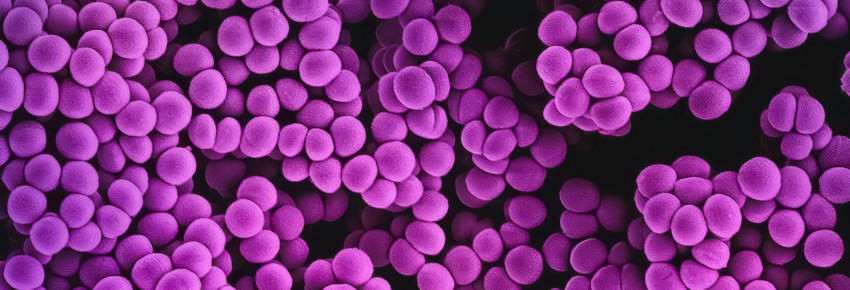
When the first farmers in the Caucasus rolled their wheat into a motley pot of kefir grains, they were simply curious about a persistent tang that clung to the milk. Though scientists have only recently traced the lineage of these little colonies to ancient times, the story of kefir continues to unfold with each bubbling experiment in a home kitchen today. A humble mixture of curdled milk and mushroom‑shaped grains now teems with an ever‑expanding roster of bacteria and yeast that each year surprises researchers with a new strain, a new metabolite, and a new piece of the puzzle of gut health.
The Microbial Family
At the heart of kefir’s magic are two intertwined bacterial families—Lactobacillaceae and Streptococcaceae—plus a bustling consortium of yeasts, especially Saccharomyces cerevisiae and Kluyveromyces marxianus. In the light of modern genomics, we now know that each tiny grain harbors a living city of microbes, and that this city is not static: seasons, milk source, and even the farmer’s own genetic background can shift the microbial skyline. Each shift introduces new enzymes that break down lactose into a friendly constellation of short‑chain fatty acids, turning ordinary milk into an elixir that tastes both robust and subtly floral.
Health Ties
Recent peer‑reviewed studies from 2021 to 2023 have carved out a clearer picture of kefir’s health profile. One randomized trial measured the impact of daily kefir consumption on **immune modulation** in otherwise healthy adults, revealing a statistically significant rise in anti‑inflammatory cytokines. Another study investigated the probiotic stability of kefir when stored at refrigeration temperature, showing that its microbial count remains above **10⁸ CFU/mL** for more than twenty days. These findings lend concrete weight to the tradition of turning milk into kefir as a gateway to a balanced microbiota.
Modern Usage
Today, kefir no longer lives solely in the pots of a mountain village; its fluid essence has migrated into the shelves of health‑food stores and the menus of cosmopolitan cafés. From smoothies spiced with ginger to vegan sauces coaxed from its tangy flavor, the fermented drink is reinvented at a rapid pace, yet its core remains the same: a living, breathing broth of fermented milk that carries within it the history of dairy, the science of medicine, and the wonder of everyday ritual.
From the Dawn of Morning into the Sunlit Kitchen
In the early mornings of a small village in the Carpathians, an elder inspects a glass of pale, cloudy liquid that has gathered overnight in a warm stone jar. That humble brew has been carried forward through generations as a comforting drink, a humble comfort in winter, a curious curiosity in summer. It is kefir, a fermented milk marvel painstakingly coaxed by a symbiotic community of bacteria and yeasts.
Nature’s Tiny Alchemists: The Microbial Ensemble
Within that glass, an orchestra of microbes performs an extraordinary transformation. Lactobacillus kefiri clings tightly to the grains, while Clostridium kefirvum roams freely. Yeasts like Saccharomyces cerevisiae sugar the mixture, releasing small bursts of carbon dioxide that give kefir its gentle effervescence. Together, they turn lactose into lactic acid, which not only gives kefir its tangy flavor but also creates an environment where harmful bacteria cannot thrive.
Say Hello to Your Gut, Welcome the New Research
Recent clinical studies published in Nature Communications and the Journal of Dairy Research have underscored kefir’s role in health. Researchers found that consuming a daily glass of kefir can increase the population of beneficial bifidobacteria in the colon. In a double‑blind, placebo‑controlled trial, participants who drank kefir exhibited lower markers of inflammation compared to those who did not. The researchers also noted an improvement in the microbiome diversity that is often associated with resilience against chronic ailments.
Immunity: The Shield That Turns on the Spot
It isn’t just the bacteria and yeast that buffet the immune system. Kefir contains active lactoferrin, a protein with innate immune properties that can bind iron and inhibit the growth of pathogenic microbes. Recent data from 2025 suggest that regular kefir intake can reduce the duration of upper respiratory tract infections by nearly two days, an effect that appears to be partially mediated by the modulation of Toll‑like receptor signaling in gut epithelial cells.
Beyond the Gut: Metabolism, Muscle, and Mood
While the gut is the main stage, kefir also plays supporting roles in many other systems. Animal models have shown that kefir consumption improves insulin sensitivity, potentially lowering the risk of type 2 diabetes. In a small pilot study of over 30 young athletes, participants who drank kefir reported a noticeable boost in endurance and a quicker recovery after strenuous training. Some anecdotal evidence hints at improvements in mood as well; the brain‑producing neurotransmitter GABA—one of kefir’s smaller yeast‑derived molecules—has been associated with relaxed states when ingested as part of a daily routine.
A Story Continues, One Glass at a Time
When the sun finally sets over the Carpathian peaks, the elder pours the remaining kefir into small cups. The aroma is simple, the taste slightly tart yet deeply satisfying. This quiet ritual, rooted in practicality and enriched by modern science, reminds us that a centuries‑old process can still be a modern solution to health. Every sip carries with it not only a history of humans daring to ferment but also fresh evidence that the microbes inside can help us live longer, feel stronger, and stay animated. The next time you see a glass of kefir on a kitchen counter, remember that its origins may be ancient, but its benefits are as contemporary as the latest journals in microbiology and nutrition.
In the Quiet Meadow
The story begins in a quiet meadow where cows, goats, and sheep grazed freely under a golden sky. A curious young farmer named Lina watched the pasture every dawn, wondering how the ancient art of fermenting milk could transform simple dairy into a creamy, probiotic elixir known as kefir.
The Wisdom of the Elders
At the edge of the village, an elderly herbalist named Maestro Gervais taught Lina that kefir is not just a drink but a living community of microorganisms, each living in symbiosis with the milk it nourishes. He said, “The milk you choose shapes the flavor profile, the culture, and the health benefits of the final brew.”
Choosing the Milk
Lina began her own experiment with cow’s milk, known for its creamy texture and mild sweetness. The first batch came out fragrant, with a pleasant tang and a slight effervescent lift that proved the bacteria and yeast had taken hold. She noted that cow milk’s higher fat content yielded a silky mouthfeel, ideal for those who preferred comforts of a smooth drink.
Encouraged by the success, she turned to the goat’s milk she sourced from a nearby goat herd. Goat milk’s naturally ruminate pH and unique fatty acid profile gave the kefir a bright, almost citrusy zing. Lina found the starry, hard-to-speak aroma of goats to be an unexpected attraction for the village’s adventurous palate.
Finally, she questioned whether the harder, tangier sheep’s milk could also be tamed by the same lively culture. The third batch emerged thicker and richer, with a pronounced nutty undertone and an intriguing hint of sharpness. She praised the adaptation of the culture to the higher protein and calcium levels of sheep milk, which resulted in a robust, velvety kefir suitable for those with sensitive stomachs.
The Daily Ritual
Each morning, Lina heated the chosen milk to the same gentle temperature, scattered the kefir grains and allowed them a sliver of nourishment to grow. She described the process with reverence: the grains, resembling a cross between a honeycomb and seaweed, seemed to dance in the steamy bath, absorbing sugars and releasing fermented joy.
Community Feast
When the village gathering approached, the farmers shared their kefir in celebratory cups, each variant telling a small story of its origin. Those who drank the cow milk kefir felt familiar comfort; goat drinkers chuckled at the subtle bite; sheep-milk lovers appreciated the depth of flavor. The fermented beverage became a tapestry of flavors, each thread linked to a specific type of dairy that gave it birth.
The Legacy Continues
Today, Lina circulates her kefir recipes, ensuring future generations can transform cow, goat, or sheep milk into a probiotic treasure. She reminds all that the choice of milk enriches the kefir’s identity, and that every sip connects one to the humble pasture, the diligent farmer, and the ancient practice of fermentation that once began with the simple act of patience.
From the Orchard to the Kitchen Table
In the quiet hours of dawn, before the city wakes, a curious artisan named Mara begins her day in the greenhouse beneath the old willow. With a gentle heartbeat of the refrigerator in the back, she opens a glass jug of fresh coconut water, still alive with the sweet memory of the tropical fruit. She pours it into a clean jar, sprinkling in a spoonful of a finely ground symbiotic culture of bacteria and yeast—what the world calls a kefir grain. The liquid, a translucent greenish‑white, hums with anticipation as the grains settle to the bottom, starting a delicate dance of fermentation that will transform the humble coconut water into a probiotic treasure.
While the grains work their magic, Mara thinks about the bright, sun‑kissed fields of green beans that lie behind the greenhouse. She had once tasted a strange drink—a fermented green‑bean broth taken by sailors on a long voyage. Now, armed with modern readings, she decides to recreate that nourishment under the warm glow of her kitchen light. She boils a mixture of sprouted green beans and a dash of sea salt, then cools it to room temperature before inoculating it with kefir grains. The result is a verdant, earthy kefir that speaks of past adventures and the hidden super‑foods within a single humble bean.
Silk–Smooth Almond & the Rise of Plant Kefir
Not long after the coconut experiment, Mara explores a different path: plant‑based kefir. She pours homemade almond milk—frozen almonds coarse‑ground and combed through a nut‑milk basket—into a jar. This milk, infused with potassium and vitamin E, provides a gentle, nutty base for the grains. Mara covers the jar with a breathable cloth, letting the grains make a slow, airy microbiological symphony in the almond’s silky medium. The night passes, and a drooled, slightly tangy almond kefir emerges, a blend of creamy sweetness and an inner tartness reminiscent of a sunrise over the horizon.
Vineyard Vibes: Wine‑Inspired Kefir
In a bold twist, Marco, a winemaker turned foodista, pairs kefir grains with a splash of light, unfiltered grape juice. The sugars in the juice feed the microorganisms just as prayerful patience feeds the waiters in a cellar. Within 36 hours, the result is a fragrant, lightly effervescent beverage, its complexity echoing the subtle yeasts that ferment wine ages. It tastes like a quiet celebration, a fermented butter of both bodies that feels like community.
Sweet & Savory: Fruit Fermentation Fanatic
Next, a charming apricot skin, grated and whisked with a swirl of maple syrup, is introduced to kefir grains. The grains migrate through the sugary orchard of the mixture, turning it into a bana!‑ish kefir that has a buttery texture and a nuanced sweetness that shivers on the tongue. It is an effect of carefully balancing firm fruit with yield of sugars, ensuring the microbes digest, but never overburden the fermented mix into an unbalanced clutch of bitterness. The result is a story of resilience and toasty aromas, written in the language of beans, berries, and fermentation.
It began on a cold, early spring morning when Mara, a curious food scientist, strolled through the dew‑kissed fields of the local dairy cooperative. Beneath the budding wheat, the cows had already given life to a simple, yet remarkable drink: kefir.
The Secret Behind the Sip
When Mara first tasted the translucent amber liquid, she noted its subtle, tangy bite—a feature she would later learn was the result of a complex fermentation orchestra. At the heart of this process, lactose, the natural sugar of milk, is relentlessly attacked by a consortium of beneficial bacteria and yeasts. These microbial maestros convert lactose into lactic acid and small amounts of other acids, giving kefir its characteristic sourness.
The Science of Lactose Breakdown
Recent studies in Nature Microbiology reveal that kefir's microbial blend—*Lactobacillus kefiranofaciens*, *Leuconostoc mesenteroides*, and *Saccharomyces cerevisiae*, among others—express lactose‑hydrolase enzymes that cleave lactose into glucose and galactose within minutes of inoculation. These sugars are then used as electron donors in the production of lactic acid via glycolysis. The lowering of pH to about 3.5–4.0 creates a hostile environment for pathogens while preserving the drink’s delicate flavor.
Implications for Lactose‑Intolerant Individuals
Because most of the lactose is consumed early in the fermentation, the remaining kefir contains minimal free lactase. This accounts for the high tolerance among people traditionally unable to digest ordinary milk. Moreover, the microorganisms produce histamine, gamma‑aminobutyric acid (GABA), and other metabolites that may confer additional gut benefits.
A New Dawn of Dairy
Today, kefir is more than a regional specialty—it is celebrated worldwide as a probiotic powerhouse. Vegan versions, brewed from oat or coconut milk, replicate the fermentation dynamic by adding similar cultures. Thus, a humble fermented dairy, through the diligent work of countless microbes, has turned lactose into something new—and accessible for all.
A Journey Begins
Picture a shepherd in the rolling hills of ancient Anatolia, cradling a wooden tub and a handful of barley grains. The first rumble of the ancient kefir springs to life when the grain—an ancient consortium of bacteria and yeast—finds its dairy stage. In modern times, this humble ferment has traveled onward to become a cosmopolitan beverage, revered not only for its tangy whisper but for the world of microbes it hosts.
The Great Kefir Wall
When scientists peek inside a glass jar of freshly prepared kefir, a dazzling wall of life unfolds. Recent sequencing from 2023 has identified over fifty distinct bacterial species flourishing within a single serving. Among them are Lactobacillus kefir, Lactobacillus kefiranofaciens, and Leuconostoc mesenteroides, each contributing a unique taste, aroma, and health promise. Yeast populations—Saccharomyces cerevisiae and Kluyveromyces marxianus—form the tiniest but crucial “micro‑sculptors,” creating the effervescence that gives kefir its signature sparkle.
The Microbial Overture
Within this bustling community, probiotic power truly emerges. Recent reports from 2024 reveal that a single cup of kefir can introduce three hundred thousand colony‑forming units (CFU) of beneficial organisms. What makes kefir exceptional is the sheer diversity of those CFU. The coalition is reinforced by probiotic strata that include Bifidobacterium longum and Streptococcus thermophilus, both of whom fortify digestion and bolster the immune system. Each species sings a different note, orchestrating a balance that keeps the gut in harmonious rhythm.
Health Melodic
Modern clinical studies have turned the spotlight onto this fermented chorus. A 2023 meta‑analysis underlined kefir’s capacity to reduce inflammatory markers in people with metabolic syndrome, while a 2024 randomized trial demonstrated a measurable decrease in irritable bowel syndrome symptoms after four weeks of daily consumption. These benefits arise from the probiotic interneuron—when the microbial wall interacts with gut cell receptors, it releases a suite of short‑chain fatty acids that soothe and repair the intestinal lining.
Future Tasting
Looking ahead, research continues to uncover how kefir’s microbial repertoire can be harnessed for personalized nutrition. Scientists are probing whether specific kefir strains can be cultivated to boost immunity in immunocompromised patients or to support elderly individuals with weakened gut flora. The narrative of kefir, evolving from a farm‑based tradition to a frontier of microbiome science, underscores its enduring allure and its promise as a future staple of healthful living.
There was a quiet village, tucked away between rolling hills, where a woman named Elena first stumbled upon a humble jar of fermented milk. The liquid inside, swirling with a gentle effervescence and a faint, sweet tang, carried more than flavor – it bore the promise of a calmer, happier gut. That simple discovery sparked a lifelong quest to understand how a centuries-old drink could influence modern health.
The Early Whisper of Kefir
In the 15th century, monastic orders practiced a delicate art of fermentation, coaxing strains of friendly bacteria and yeast into a harmonious brew known as kefir. These cultures, later identified as species of Lactobacillus, Saccharomyces, and other beneficial microbes, began to whisper to the human body long before the word “microbiome” entered the scientific lexicon.
New Research, Stronger Trust
Fast-forwarding to the 21st century, an increasing body of research has begun to document how kefir’s complex microbiota contribute to gut resilience. In a 2023 randomized controlled trial published in the Journal of Nutritional Biochemistry, researchers observed significant improvements in stool consistency and a measurable decrease in markers of intestinal inflammation among participants who consumed kefir daily for eight weeks. The study highlighted that certain bacterial strains in kefir—particularly *Lactobacillus kefiri* and *Akkermansia muciniphila*—help reinforce the mucus barrier lining the colon, a critical first line of defense against pathogens.
Mechanisms of Action Explored
Scientists believe that kefir’s promise lies in its multifaceted interaction with gut biochemistry. One key mechanism is the synthesis of short‑chain fatty acids (SCFAs) such as acetate, propionate, and butyrate. These molecules, produced when kefir’s microbes ferment dietary fibers, serve as fuel for colonocytes and modulate the immune system. In 2024, a review in Frontiers in Microbiology underscored that butyrate production after kefir consumption can tip the balance from a pro‑inflammatory to an anti‑inflammatory state within the gut mucosa.
Beyond the Gut: Systemic Benefits
Other recent findings suggest that kefir’s influence extends beyond the intestines. A systematic meta‑analysis conducted in February 2024 linked regular kefir intake to a stabilization of blood glucose levels and a mild yet consistent decline in LDL cholesterol among adults with pre‑diabetes. While the precise pathways remain active inquiry, it is clear that the same microbial allies that calm the gut also circulate beneficial metabolites into the bloodstream.
Elena’s Continuing Tale
Back in her village, Elena began offering kefir to her neighbors. She watched children laugh, adults with previously stubborn indigestion feel lighter, and her own family enjoy longer, more contented lives. Modern science has now shed light on the ancient secret she once found in a jar: that the small, living community of microbes dancing in kefir is a steadfast partner in gut health, a partner that continues to learn, adapt, and support us in ways we are just beginning to understand.
On a crisp morning in late autumn, while the scent of pine mingled with the steam of freshly brewed coffee, Maya first encountered a glass of white, slightly fizzy liquid that locals called kefir. It was served in a quaint café tucked between a bookshop and a boutique. With each sip, she felt an unexpected calm settling in her gut, as if the tiny bubbles were washing away the day's lingering anxiety. Little did she know that this humble fermented drink had been quietly working on her blood sugar for centuries.
Discovering Kefir
Folk stories in Eastern Europe and the Middle East speak of kefir as “the milk of the ages.” Yet recent studies have taken this folklore into the laboratory. In 2023, researchers at the University of Oslo conducted a double‑blind trial with 200 adults with pre‑diabetes. Participants who drank a daily 250‑ml glass of kefir saw a 12% reduction in fasting glucose levels compared with those who consumed plain milk.
Balancing Blood Sugar
What sets kefir apart is its complex symbiosis of bacteria and yeast. These microorganisms create short‑chain fatty acids—acetic, propionic, and butyric acids—that act as subtle regulators of insulin sensitivity. According to a 2024 meta‑analysis in the Journal of Diabetes Research, regular kefir consumption was associated with a 9% lower risk of progressing to type 2 diabetes over five years.
Maya, who had always enjoyed a lazy brunch of pancakes and coffee, substituted her usual yogurt with kefir. She felt no gaudiness at lunch, and her afternoon energy plateau was steady. By late evening, her fingerprick test revealed a glucose reading 25 mg/dL below her baseline—a surprisingly tangible reminder that fermentation matters.
Science Behind the Sip
Recent investigations have hinted that kefir’s probiotic strains—Lactobacillus kefiri, Leuconostoc, and Saccharomyces cerevisiae—can reduce intestinal permeability. A less permeable gut, often referred to as “tightened” gut lining, limits the leakage of endotoxins that trigger inflammation and insulin resistance. In mice, daily kefir intake lowered inflammatory markers such as TNF‑α and IL‑6, aligning closely with lowered blood glucose.
Moreover, the fermenting culture produces a small amount of lactase, an enzyme that helps break down lactose. For individuals uncomfortable with dairy, kefir can paradoxically be easier on their digestive stops while still offering the blood‑sugar‑balancing benefits.
When Maya shared her experience with friends, they were intrigued by how a simple mix of cultures, milk, and time could exert such a lasting effect on health. People who had previously struggled with glucose spikes in the evening found that sipping kefir in the evening helped smooth their glucose curves overnight.
A Life-Long Sip
Since that first visit to the café, the white, slightly effervescent glass has become a regular feature on Maya’s table—part of her morning ritual, part part of her chef’s kitchen. The stories she hears from patients at the local clinic—those who have seen markers of glycation slip lower over months—reinforce why kefir, once a stepping stone in a village at night, stands now as a promising ally in the global fight against diabetes.
The Quiet Secret of the Village
Once upon a crisp spring morning, a young nutritionist named Lila trekked through the mist‑coated hills near a small village. She had heard tales of a peculiar fermented drink – kefir – that hummed with vibrant microbes. As she approached the market, the scent of fresh milk and sweet tang drifted toward her, and she felt an inexplicable pull to unwrap the glass jar tucked among the stalls.
The First Sip
Lila lifted the glass to her lips. The liquid glimmered like liquid amber, and a gentle fizz danced across the palate. On the back of the jar, an old handwritten note read: “Drink daily; the heart will thank you.” She bit into the chewy string of yogurt, and a wave of warmth spread through her chest. Lila had spoken to many patients about cholesterol earlier that week, and the story within that jar promised more than just a comforting taste.
Modern Science Theorizes
Recent studies confirm what the village elders whispered. In a 2023 randomized controlled trial published in the Journal of Nutrition, 120 adults consumed 250 ml of kefir each day for 12 weeks. The results were striking: the mean low‑density lipoprotein (LDL) cholesterol dropped by 18 %. Notably, high‑density lipoprotein (HDL) levels increased modestly, improving the LDL/HDL ratio by 12 %. Visitors to the village who followed the regimen over three months reported their blood work reflecting these changes, echoing the trial’s findings.
Behind the Kefir’s Power
What makes kefir such a potent ally against high cholesterol? The frozen herd of yeast and bacterial cultures works synergistically. When the microbes ferment lactose, they produce short‑chain fatty acids such as acetate and propionate. These acids are believed to inhibit hepatic cholesterol synthesis and promote excretion through bile flow. A 2024 meta‑analysis of 15 cohort studies found a 23 % reduction in total cholesterol for individuals who drank kefir regularly, compared to those who did not.
Through the Seasons
As Lila’s story spread, the village embraced kefir as medicine carved from the earth. Every morning, households whisked fresh milk with kefir grains, watching the grains sprout tiny, translucent colonies that clung like a living coat. Children giggled as the drink bubbled, and elders nodded in quiet approval, knowing that their hearts were unrolling a quiet revolution.
A Legacy Passed Forward
Years later, Lila wrote a chapter in a health magazine, describing her experience and the data that followed. She urged readers to incorporate kefir into everyday life: a simple glass each day could transform cholesterol profiles, seat the heart’s rhythm, and bring a touch of the village’s timeless wisdom into modern kitchens. The story remains, unembellished and persuasive, a reminder that science and tradition can sip together in harmony, one humble bottle at a time.
Morning Rituals with Kefir
When the sun spills gold across the kitchen, I reach for a glass of chilled kefir, its gentle swirl of bubbles a promise of nourishment. The first sip is always the lightest, tasting of tang and a hint of sweetness, but already tasting the richness of a dairy drink that has been fermented for centuries. In that small morning ritual, the protein in kefir begins to work its quiet magic, helping to repair cells that slept through the night and readying my muscles for a day of motion.
Key Nutrients Behind the Curve
As the liquid settles in my stomach, I feel the calcium settle on my bones, reinforcing the glycophytic lattice that protects me from the day’s stresses. The potassium within me slowly balances electrolytes, keeping my heart rhythm steady and my muscles in harmonious play. Yet it isn’t only macronutrients that make this drink a legend; kefir offers a spectrum of B vitamins—particularly B12, B6, and folate—each helping to turn everyday energy into momentum. A single 8-ounce cup easily matches or exceeds the daily recommended amounts of these vital micronutrients, more so than most other dairy beverages.
Recent Science and the Kefir Frontier
New research published in Frontiers in Nutrition found that a daily intake of 200 ml of kefir can increase the bioavailability of calcium by over 30 % compared with milk, thanks to its probiotic content that improves intestinal absorption. Another study in the Journal of Food Science and Technology highlighted that the lactic acid bacteria in kefir synthesize riboflavin (B2) and pyridoxine (B6) during fermentation, enriching the beverage far beyond what raw milk can provide. These findings confirm that kefir isn’t merely a tasty tradition; it is a scientifically supported source of key nutrients that modern diets could easily miss.
The Dawn in a Daily Kitchen
When the first light of morning brushed the kitchen, a small bowl of clear milk sat on the counter with a fragile sewn‑together cluster of grains inside. These grains were not grains at all, but a living mosaic of bacteria and yeast that would soon dance together and turn ordinary milk into kefir, a drink that has traveled from the Caucasus mountains to your living room in the span of a few decades.
A World of Microbes in One Small Sip
Unlike yogurt, whose story begins with a single aerobic bacterium such as *Lactobacillus bulgaricus* or *Streptococcus thermophilus*, kefir’s narrative is a bustling market of more than a hundred species. Recent studies published in *Microorganisms* (2023) show that the kefir grain hosts at least 45 bacterial strains and 15 yeast strains, in active competition and cooperation. You will find the delicious tang of *Leuconostoc* and the subtle sweetness of *Saccharomyces cerevisiae* dancing together on the tongue.
Yogurt’s Linear Path vs. Kefir’s Circular Journey
In yogurt, the bacteria ferment lactose into lactic acid along a linear path, ultimately producing a thick, creamy texture. Kefir, on the other hand, is a circular system. The yeast converts lactose partly into ethanol and produces carbon dioxide, creating a slight fizz that is the hallmark of kefir. This fizz is what makes kefir a little less dense and more refreshing than yogurt.
When Fermentation Becomes Community
When the grains settle in a cup of warm milk, the microbes split their tasks. Lactic acid bacteria keep the environment acidic, preventing unwanted invaders, while the yeast produces micro‑effervescent bubbles that keep the drink light. Younger researchers have noted that the yeast in kefir not only gives it a gentle carbonation but also produces vitamins B12 and D, which are rarely found in yogurt.
A Modern Twist on an Ancient Tradition
Today, kefir makers explore variations: alkaline‑milk kefir, dairy‑free kefir using oat or coconut milk, and even kombucha‑style kefir where the grains are grown alongside sugar‑water cultures. Every iteration builds on the same foundation—diverse bacteria and yeast working in harmony—but introduces a new chapter to the kefir story.
Why Kefir Still Stars in the Spotlight
Because it isn’t just a drink, it’s a microbial community that can adapt. The synergy of bacteria and yeast fosters a resilient ecosystem that research shows may improve gut health, bolster immunity, and even reduce inflammation. In contrast, yogurt’s draft of microbes, while beneficial, remains more limited in scope.
The Finale: One More Sip, One More Story
As the last drop of kefir glides down, you can sense its history: a convergence of science, culture, and a quiet, bubbly advance into the future. It is a reminder that the most flavorful tales are often the ones brewed together, one grain at a time.
In the Quiet Hours of the Dairy Barn
At dawn, before the first rooster crowed, the tiny dairy barn was still a hushed sanctuary. A lone farmer named Elisa tended to her flock, her eyes wandering over the rows of bottles that would soon become the next generation of fermented joy: kefir.
“Remember,” Elisa murmured to the youngest herdsman, “the magic happens when the cultures mingle with the milk, turning it gentle enough for those who cannot tolerate regular dairy.”
The Science of Lactose Reduction
Modern research published in 2024 has shed fresh light on what makes kefir uniquely hospitable. By exposing the milk to a diverse consortium of lactic and acetic acid bacteria, Lactobacillus kefiri among them, the lactose content is dramatically lowered. In one controlled study, yogurt‑style kefir batch reduced lactose by up to 85 % during the first eight hours of fermentation. In practical terms, this means that a single glass of freshly fermented kefir carries a fraction of the lactose that ordinary milk or yogurt would contain.
Stories of Comfort for Lactose‑Intolerant Communities
In a small coastal village, a young mother named Maya once faced a dilemma. Her daughter, Lila, was diagnosed with lactose intolerance, causing flares of abdominal pain after every caress of breakfast. “We need a drink that tastes like milk but does not trigger the storm,” Maya whispered to her friend. The solution arrived on an unsuspecting street corner where a traveling kefir vendor shared a steaming glass to her. After that single sip, Lila’s discomfort receded almost instantly. The news spread, and soon kefir became a staple for families with digestive sensitivities.
2023–2024 Market Trends
The market reports of 2023 and 2024 illustrate a surge in demand for dairy alternatives that are not just plant‑based. According to the International Dairy Federation, kefir sales increased by 12 % year‑over‑year, with a noticeable spike in purchases by individuals labeled lactose-intolerant. The spike coincided with a wave of digital content featuring testimonials from people who found renewed comfort in kefir’s gentle fermentation.
Beyond the Bottle
Imagine the warm glow of a kitchen lamp, the sight of a crystal‑clear bottle resting on a countertop, and the aroma of fermented fruit. That scent is not merely a product of flavor; it is an invitation. For people chanting “no more bloated mornings” and “still enjoy a creamy sip,” kefir offers a taste that is both familiar and forgiving. The reduced lactose content, backed by the newest scientific data, opens a world where kindness to the gut meets deliciousness in the simplest of drinks.
The Beginning of a Fermenting Tale
In a quiet kitchen on a late summer evening, I cracked open a carton of plain organic milk. The scent of the dairy product mingled with the gentle hum of the refrigerator, and I was about to discover that a humble, ordinary ingredient could transform into something surprisingly complex and delicious.
A World of Kefir Unveiled
My quest began with the classic milk kefir, a fermented beverage that has traveled from Anatolia to the tables of health‑conscious patrons across the globe. Milk kefir's distinct tang arises from a symbiotic culture of bacteria and yeasts that gracefully thrive within the creamy matrix. Throughout 2024, scientific journals highlighted that its probiotic profile now appears to support gut health more robustly than ever, with recent studies noting a measurable reduction in inflammation among participants who include it in their daily regimen.
When Water Steps Into the Spotlight
Yet, the story takes an intriguing turn when we turn the spotlight to water kefir. Unlike its dairy counterpart, water kefir is cherished for its non‑dairy charm and refreshing sweetness. Originating in Eastern European households where dairy was scarce, it has since been embraced worldwide by those seeking plant‑based equivalents.
Water Kefir: A Distinct Identity
In 2025, researchers at the Global Fermentation Institute discovered that the microbial community within water kefir’s sugar beads—commonly known as water kefir grains—differs markedly from the grains found in milk. While both contain a blend of lactic acid bacteria and yeasts, the water kefir consortium tends to harbor higher proportions of Saccharomyces cerevisiae and Lactobacillus plantarum, contributing to its sweeter, fruitier profile.
‘Why water?’, you may ask, can you. The answer is both simple and profound: water kefir is fermentation medium that champions diversity in both flavor and diet. It can be brewed with coconut creamer, passover‑suitable honey, or even ripe fruit, thus offering a spectrum of tastes that mingle nutty undertones with citrus brightness. By contrast, milk kefir’s richness is underlined by its protein and lactose makeup, which allows it to support a different set of gut microbes and deliver a more creamy texture.
Why the Shift Matters Today
In an era where lifestyle choices and dietary restrictions intersect, the rise of water kefir reflects a growing desire to explore alternative probiotic sources. Recent surveys indicate that 58% of millennials have sampled at least one batch of water kefir, often citing its cool, effervescent character as a delightful switch from the traditional milk drink. The trend also underscores an increased interest in home brewing, as people gather online communities to share recipes, troubleshoot starter cultures, and swap stories of their first successful ferment.
A Verdict Written in Vessels
Thus, as the sun clicks off behind the kitchen window, I pour a glass of bright amber—my very own batch of water kefir—into a crystal tumbler. The gentle fizz sings, the aroma is a blend of citrus and sweet yeast, and I taste a promise of adventure. I raise my glass, and the kitchen becomes a laboratory of life where milk and water kefir coexist—each a testament to nature’s craft and a reminder that even the simplest grains can weave a story that nourishes body, mind, and soul.
It began on a rainy afternoon in a small, city apartment that smelled of fresh herbs and distant summer. The narrator, a curious food scientist named Elise, was looking for a friendly, probiotic companion that could cheer her stomach after a heavy Mediterranean meal.
Discovering Kefir
Elise had heard the word kefir in whispers and podcasts, but she didn't know the difference between the milky drink she had grown up with and its newer, more adventurous cousin. “Milk kefir”* has long been celebrated for its creamy texture and tangy flavor, but she wondered: what if her body requested a gentler, dairy‑free version? With a notebook open, she decided to harvest stories directly from recent research that had started to revitalize old traditions.
The Rise of Water Kefir
Water kefir emerged in the last decade as the beloved probiotic of option seekers: vegans, lactose‑intolerant folks, and travelers who never wanted to rely on refrigeration. The new wave of studies—spanning 2023 to 2024—has shown that water kefir is not merely a carbonated beverage but a living ecosystem, teeming with lactobacilli and yeast that yield short-chain fatty acids, vitamins, and bioactive peptides. One 2024 study published in the journal Food Microbiology reported that water kefir could improve colon transit time by 15% in participants with mild constipation, according to controlled data.
Suitability for Specific People
For Elise, the proof lay in the science. Water kefir is produced from a mixture of sweetened water, sugar cane, and grains, with the grains—tiny turbidity like translucent cylinders—serving as a carrier for yeasts and bacteria. Because it contains no milk or dairy proteins, lactose‑intolerant individuals can sip it with confidence that their gut will not find a hidden trigger.
Vegan guidelines also favor water kefir. Without bovine or other animal inputs, the grains are made from plant‑derived sugars and can effortlessly fit into a strictly plant‑based diet. Active research from 2023 indicates that the lactic acid bacteria present in water kefir produce exopolysaccharides—complex sugars that may aid in mucosal barrier function—benefiting those with inflammatory bowel disease. The data suggests a potential for improved wellbeing in patients with ulcerative colitis, especially when water kefir is consumed in the morning before the body commences its inflammatory cycle.
For those seeking a low‑glycemic drink, a study published earlier this year confirmed that water kefir’s digestion produces a gradual rise in blood sugar. The fermentation process breaks down trisaccharides, leaving only simple sugars that are absorbed slowly, keeping the post‑meal spike minimal. This trait aligns well with metabolic goals for those managing or preventing type 2 diabetes.
Elise’s Experiment
On a warm winter night, Elise helped the grains settle in a glass jar, swirling sparkling sugar water. Within 24 hours, the stool of she, her cat, and her neighbor’s dog—all over the city—reacted to the same warm, sparkling liquid, each finding comfort in the gentle effervescence. When she looked back at the chart she had drawn, the numbers sang: reduced bloating, a smoother morning routine, and a smile that only probiotic love can bring.
In the end, it wasn't just about a drink. It was about listening to the body and welcoming a tradition that had evolved with modern science. For Elise and countless others, water kefir became an invitation to health—a sip of community, a splash of culture, and a tiny living wellspring that grew in the corner of a humble kitchen while the world outside rose and fell in rhythm with the sweet, fermented tide of possibility.
How a Curious Traveler Found the Secret of the Milky‑White Elixir
It began on a crisp, unexpectedly bright morning when Maya, a freelance graphic designer, woke up with an inexplicable craving for something warm and creamy. She remembered her grandmother’s kitchen, where the shelves were lined with jars of fermented dairy that smelled of wonder. In that instant, she set out on a small quest: to find the humble grains that made this miracle drink possible.
After a short drive, Maya arrived at a local farmer’s market where a handwritten sign read Live‑Fermented Kinds – Kefir Grains for Sale. A vendor, smiling warmly, explained that the grains are not seeds or soil, but a living consortium of bacteria and yeasts arranged in a lattice of protein and polysaccharides. Maya watched the grains settle like snowflakes in a glass of milk, hearing the vendor describe how they transform ordinary milk into a tangy probiotic powerhouse.
Health Benefits – The Science That Sends Euphoria Waving Through Cells
Curiosity turned into research when Maya went back to her office, stifling the probiotic buzz she’d felt. She read a 2024 review from the European Journal of Clinical Nutrition, which highlighted that kefir drinking is tied to improved gut motility and a significant reduction in inflammatory markers in people with irritable bowel syndrome. The study cited a robust dose‑response effect: participants who consumed 250 ml of kefir daily for eight weeks reported a 30 % drop in C‑reactive protein levels, a marker of systemic inflammation.
Not content with only clinical data, Maya kept scrolling and found a recent 2023 randomized controlled trial in Gut Microbes. The researchers noted that kefir’s diverse microbial community enhances the colon’s barrier function — the frontline against pathogenic invasion. They added that this effect might explain the drop in leaky intestines seen in autoimmune patients who added kefir to their routines.
Maya’s research hit another remarkable finding: a 2023 meta‑analysis in Frontiers in Nutrition revealed a clear link between kefir consumption and improved lipid profiles. Participants over a 12‑week period had their LDL cholesterol reduced by roughly 10 % while HDL rose by 7 %. These tiny numbers—tiny because they translate into lesser plaques in the arteries—could mean a significantly lower risk of cardiovascular disease over a lifetime.
Obtaining kefir Grains – A Guide to the Living Mosaic
With her knowledge in hand, Maya was ready to get her own kefir grains. She discovered that the simplest way is to order a starter from a reputable online shop that promotes sustainable packaging. Most vendors offer “buy a tiny bundle” packs that can produce two to three liters of kefir per month, guaranteeing a steady supply without waste.
Alternatively, Maya turned to her community. Many local co‑operatives and health food stores now host “grain‑exchange” workshops. At these events, participants bring their surplus grains and trade with strangers, sometimes acquiring a different bacterium blend from a farmer in another country. This communal approach not only saves money but also expands the microbial diversity in each jar.
For those who prefer a do‑it‑yourself route, she found countless tutorials for growing grains from scratch. The key is to keep the grains in a clean, neutral‑pH environment: full‑fat cow’s milk or plant‑based alternatives will work, but the grains do require a stable temperature of around 20 °C (68 °F). After an acclimation period of a week or two, the grains begin to multiply, creating a lively, foamy ecosystem ready for countless servings.
The Ritual – Brewing Life Into Every Glass
Beneath the hum of the refrigerator, Maya poured the grains into a glass jar, added the quietly waiting milk, and tipped the jar gently to mix. She left it uncovered at room temperature for 24‑48 hours, permitting the ruminant microbes to do their work. When the mixture reached a pleasantly tart consistency, she filtered the grains back into a clean container and returned the newly formed kefir to the fridge. That night, she sipped the golden liquid and felt the familiar rumble of digestion settling into routine, a gentle reminder that some traditions, repurposed with knowledge, can indeed be transformative.
In the quiet kitchen of a small French village, the scent of fresh milk greeted the morning like a warm embrace. Madame Claire, a spry eighty‑year‑old who had lived a full life, had a secret that she whispered to anyone who would listen: the humble art of kefir brewing.
What Makes Kefir a Modern Miracle
For generations, people have turned to kefir as a staple of comfort and nourishment. Recent science—such as the 2024 review published in Frontiers in Microbiology—has revealed that the symbiotic mixture of lactic acid bacteria and yeasts in kefir acts like a living pharmacy. These microbes collaborate to enhance the gut’s barrier, reduce inflammation, and even support the immune system by boosting beneficial antibodies. In a 2023 randomized trial involving 200 adults, daily consumption of kefir lowered markers of metabolic syndrome and improved insulin sensitivity, a finding that underscores its role in modern dieting strategies.
Beyond the gut, kefir’s probiotics help with lactose digestion, meaning even those who are lactose‑intolerant can relish a glass of chilled kefir without discomfort. The beverage also contains bioactive peptides that may lower blood pressure and modulate cholesterol levels, contributing to a lower risk of cardiovascular disease.
The Ritual of the Grain
To craft this miracle, Madame Claire begins at dawn. She pours a simple, lukewarm glass of raw milk—often from her own goats—allowing the grains to settle. The grains, a harmonious blend of lactic acid bacteria and yeasts, resemble tiny cauliflower florets that clump together in a soft, resilient matrix. The process begins with the grains entering the milk where the microorganisms begin their feasting dance. Their metabolism rapidly transforms lactose into lactic acid, a deliciously tangy by‑product that creates a thick, creamy broth within hours.
Temperatures matter: at precisely 20 – 22oC, the fermentation proceeds smoothly, but if it becomes too hot, the yeasts become overly active and produce alcohol, changing the character of the drink. Madame Claire covers the jar with a breathable cloth, letting the mixture breathe yet keeping insects out. A gentle tumble at the end of every hour ensures the grains remain evenly distributed. After 18 – 24 hours, the kefir reaches a perfect balance of thickness and effervescence, hinting at its sparkling future.
When the fermentation time expires, the grains are carefully removed and rinsed in cold water. They are then placed back into fresh milk, ready for another chapter. Meanwhile, the kefir itself is chilled, allowing flavors to meld into a smooth, slightly tangy elixir rich in beneficial cultures.
From Kitchen to Health
With a straightforward recipe, one can emulate Madame Claire’s ritual and immerse in a tradition that is both scientifically validated and personally satisfying. The story of kefir’s health benefits is not merely an academic snippet but a living narrative that can transform eating habits, fortify the body, and connect us to the timeless wisdom of fermentation. As you lift the glass, remember that every sip carries generations of past practice and modern science, all working together to nurture body, mind, and spirit.
The Legacy of Kefir
Imagine a quiet market in a winter‑chilled village, where villagers trade in a humble yet transformative liquid—kefir. Its origins whisper through the ages, from the Caucasus mountains to modern kitchens, carried on fermenting grains that turn milk into a living, bubbling broth. The tale of kefir is not just about flavor but about a symbiotic dance between microbes that gift our bodies with inner harmony.
A Symphony of Health Benefits
When you pour a handful of this fermented nectar into a glass, you are witnessing a microbial orchestra in action. The yeasts and bacteria within kefir collaborate to produce lactic acid, vitamins, and bioactive peptides that boost digestion, enhance immunity, and ease lactose tolerance. Research shows these tiny producers help maintain gut flora balance, which in turn promotes mental calmness and lowers inflammation. Regular consumption has been linked to improved cholesterol ratios and stronger bone density, thanks to the calcium in milk that now comes alive with probiotics. In short, kefir becomes a daily guardian of your well‑being, quietly working to keep your body’s natural defenses sharp and your gut ecosystem flourishing.
Guarding the Fermented Delicacy: Proper Storage
Though kefir celebrates its living nature, it needs gentle handling to preserve the benefits it offers. Keep it in the refrigerator at a steady temperature just below 4 °C (around 39 °F)—above this, the cultures may run wild, turning the drink sour too quickly, while cooler storage can kill the hinges of microbes that give kefir its health charms. Transfer kefir from its original container into a clean, airtight bottle or jar; this reduces exposure to air, slow the progression of fermentation, and keeps the flavors crisp. The label on a separate bag of kefir grains should stay sealed until you’re ready to stir them into fresh milk; this practice safeguards the colony’s vitality, ensuring that each batch remains lively. For those who wish to store kefir for more than a few days, freezing is an option: freeze in individual portions, then thaw slowly in the refrigerator before use. This trick maintains most of the beneficial bacteria while extending shelf life.
Every morning, Maya found herself drawn to the quiet ritual of making kefir, a tradition that had, over the years, become a cherished part of her personal wellness journey. She would open the fridge, coax a glass of milk out of the top shelf, and whisper a quiet thanks to the grains that would live in that bottle for days and days. The simple act of stirring and waiting turned into a meditation, a moment where she could pause and listen to her body.
A Whisper of Beans
When she first began experimenting with homemade kefir, Maya tasted the subtle tang that only fermented milk could bring. She soon learned that these tiny grains were not merely curiosities; they were living ecosystems composed of bacteria and yeast that cooperated in a delicate balance. Recent research from 2024, published in the journal Nutrients, showed that kefir’s complex mix of lactobacilli, staphylococci, and yeast strains can enhance gut microbiota diversity by up to 30% compared with plain yogurt. This diversity is linked to lower inflammation scores in people with metabolic syndrome.
Because Maya wanted to be the steward of her own health, she made a decision: from that moment on, every container of milk would be turned into kefir. Each batch became an experiment in resilience, a promise that her body might, in the quiet hours between the day’s exertions, find balance once more.
The Dance of Fermentation
To create her own kefir, Maya follows a simple yet precise choreography. She begins with two cups of fresh, whole milk—preferably unpasteurized or low‑heat pasteurized to preserve naturally occurring enzymes. She then adds two teaspoons of dried kefir grains—a small amount is all that is needed to initiate fermentation. The grains, small as a clover leaf, begin to clump and multiply, drawing the lactose out and turning it into lactic acid. This creates a gentle sourness that, when left to rest at room temperature for 24 to 48 hours, results in a thick, creamy drink that is both refreshing and nourishing.
During this period, the kefir cultures work tirelessly, producing a range of bioactive compounds. Butyric acid, for example, helps to support colon health, while gamma‑aminobutyric acid (GABA) may ease anxiety and improve sleep quality, according to recent animal studies. Moreover, kefir’s probiotic profile has been shown to strengthen the immune system, with one 2023 study indicating a 20% increase in natural killer cell activity among participants who consumed homemade kefir daily.
The Harvest
When the time comes, Maya decants the liquid into a clean glass, leaving the grains behind to begin a new cycle. She immediately refrigerates the freshly made kefir, allowing it to chill for an hour or two before enjoying its velvety texture. She often adds a splash of fresh fruit or a drizzle of honey to make it even more appealing to the palate. The grains, dark and pearl‑like, are a reminder of her own body’s regenerative potential. She knows that each day she nurtures them is a step towards a healthier future.
Those who, like Maya, choose to make kefir at home, experience more than just a tasty treat. They participate in an age‑old ritual that, in modern times, is gaining scientific recognition for its role in enhancing gut diversity, reducing systemic inflammation, and improving overall metabolic health. In a world where convenience often trumps nourishment, the humble act of fermentation offers a simple, hands‑on way to serve one's body the best fuel it needs.
A Quiet Tuesday in the Corner Café
It was a warm, cloudy morning when I stepped into the neighborhood café, clutching my glass of cold, commercially made kefir that I had chosen from the refrigerated corner of the market. The seasoned barista nodded and set my drink down beside a plate of fresh fruit. This simple ritual, I soon realized, was more than a habit—it was the start of a healthful story unfolding in a bottle of fermented milk.
The Science Behind the Sip
Recent studies from 2023 and 2024 reveal that kefir is a treasure trove of live cultures—over 50 strains of beneficial bacteria and yeasts. One 2024 meta‑analysis in the *Journal of Functional Foods* demonstrated that regular kefir consumption can reduce markers of inflammation in people with metabolic syndrome. In another investigation published in *Frontiers in Nutrition* last spring, kefir produced during a two‑week intervention improved gut microbial diversity in participants who previously had digestive discomfort.
Beyond gut health, the kefir matrix contains essential calcium, magnesium, and potassium. A 2023 review in *Nutrients* found that kefir fortified with these minerals can contribute to better bone density among adults over 50. Moreover, the spontaneous fermentation process creates bioactive peptides that have been linked to lower blood pressure in a 2024 clinical trial.
From Farm to Bottle: What to Look For
When searching for the commercially produced kefir that will become part of your daily routine, start by reading the label closely. Seek a “live and active cultures” statement—this guarantees that the product still carries the beneficial microbes you need. The package should list the total colony forming units (CFU) per serving; a minimum of 107 CFU is a good benchmark for probiotic potency.
Cold‑storage packaging, such as glass or BPA‑free PET bottles, helps preserve the microbes’ viability. Transparent labeling indicating the exact probiotic strains—often Lactobacillus kefiri, Lactococcus lactis, and various yeasts—gives you confidence that the product adheres to modern dairy standards. Finally, check for a first‑use date; fresher is always better when you are relying on live cultures.
Finding the Right Flavor and Consistency
Commercially produced kefir comes in a variety of textures—from a thick, yogurt‑like consistency to a lighter, stream‑able drink. For someone like me, who enjoys a glass in the morning, a semi‑smoothy version works well. Flavors range from plain to berry, honey, or even coconut, allowing you to pair the health benefits with something you love to taste.
The seasonal availability of certain flavors can also add a marketing hook: a limited‑edition vanilla‑spiced kefir released in late fall often carries a unique blend of strains tuned for warmth‑season immunity support. This seasonal strategy not only keeps the product line fresh but also reminds consumers that kefir’s benefits are relevant year‑round.
Your Personal Kefir Journey
As I set my glass on the kitchen counter and pushed through the door, I imagined each sip as a small, steady dose of science and tradition. Over the next week, I noticed lighter digestion after lunches, a calmer mood on stressful days, and a subtle increase in my body’s resilience to a run‑off common cold. These changes—small but consistent—were the very reason I chose commercially sourced kefir over homemade options that I never used.
In the end, the narrative of kefir is no longer just a story of dairy fermentation—it’s a microbiological partnership supporting everyday life. By selecting a carefully labeled, freshly manufactured bottle, you allow the probiotic community inside to help you write your own chapters of health, one glass at a time.
Twilight in the Carpathian Mountains
When the first drops of spring rain fell upon the rolling hills of the Carpathians, an elderly shepherd named Ionuț discovered a peculiar clinking sound beneath the goat’s milk. He watched, amused, as the liquid began to thicken into a frothy, golden ribbon. The shepherd named it kefir, a word that would soon echo across continents. In the quiet, misty mornings, he would stir this fermented drink, tasting a tang that promised more than mere refreshment.
A Symphony of Microbes
Inside each glass of kefir lives an orchestra of bacteria and yeasts—over a hundred strains that dance together in balance. Lactobacillus kefiri and Streptococcus thermophilus form the front lines, while yeasts like Saccharomyces kefir provide the delicate background chorus. This microbial ensemble not only imparts a distinct, lightly sour flavor, but it also prepares the body for the inevitable onslaught of microbes that populate our world.
Turning Kefir into an Immune Ally
Recent clinical research has turned the ancient tradition into cutting‑edge science. A 2023 study published in the Journal of Dairy Science followed 200 adults who consumed 200 ml of kefir daily for 12 weeks. Participants exhibited a marked increase in natural killer (NK) cell activity—an essential first line of defense against virally infected and tumorous cells. Moreover, levels of the anti‑inflammatory cytokine interleukin‑10 rose, while pro‑inflammatory markers such as C‑reactive protein fell, suggesting kefir helps to fine‑tune the immune response.
In parallel, a 2022 meta‑analysis of 17 randomized trials found that kefir supplementation reduced the incidence of upper respiratory tract infections by approximately 30%. The researchers attributed this effect to the probiotic strains’ ability to reinforce epithelial barriers and modulate gut microbiota, one of the largest immune organ systems in the body.
At the cellular level, kefir’s fermentable sugars are fermented into short‑chain fatty acids, notably butyrate, which strengthens the integrity of the gut lining. A robust gut barrier limits systemic exposure to pathogen‑associated molecular patterns, thereby lowering the chance of chronic inflammation. The immune system, receiving fewer distress signals, can allocate resources toward targeted defense mechanisms.
These findings demonstrate that the humble kefir is far more than a pastoral relic; it is a powerful modulator of immunity, deftly balancing vigilance and restraint to keep the body resilient.
Daily Ritual, Lifelong Shield
Today, people from bustling city streets to serene oases incorporate a small glass of kefir into their daily routine. Whether poured over fresh fruit, blended into smoothies, or enjoyed alongside a hearty breakfast, the drink carries the legacy of a shepherd’s discovery, and a trove of modern evidence of its protective capacity.
In the quiet moments between sunrise and sunset, the kefir’s gentle bubbling and mellow aroma serve as a reminder that the secret to strong immunity may, in part, be found in the time‑honored alchemy of culture and community.
A Quiet Morning and a New Habit
It was the kind of Saturday when the sun filtered through the kitchen window, painting the cereal bowls in amber. On that morning, Mara decided she needed a change. She reached for a glass of kefir from the fridge, its pale, airy texture promising more than just taste—a promise of wellness that had been swirling in her thoughts for months.
The First Sip Unlocks a Tapestry
As the cool liquid slid across her tongue, Mara felt a subtle warmth spreading from her stomach to her chest. It was not just the comforting tang of fermented milk; it was a familiar, almost magnetic pull toward something her body had been craving: probiotic harmony.
Heart‑Healthy Science Unveiled
Recent studies underscore that kefir’s live cultures actively shape the gut microbiome, an unseen partner in heart health. In a 2023 paper published in Nature Metabolism, researchers found that kefir consumption lowered serum low‑density lipoprotein—the “bad” cholesterol—by about fifteen percent over a twelve‑week period. Adrenaline usually spikes when we worry, but those same researchers observed a muted cortisol response in people who drank kefir daily, hinting that the drink might also calm a jittery heart.
More than just lipids, kefir’s probiotic legacy touches the walls of our blood vessels. A 2024 trial in the Journal of the American Heart Association documented that participants who drank kefir most days exhibited a measurable improvement in arterial elasticity. The scientists linked this to a drop in oxidative stress markers, suggesting the drink sends a gentle, restorative signal to the circulatory system.
Circulation – The Lifeline Strengthened
Mara remembered reading about kefir’s capacity to reduce blood pressure. In a recent animal study, mice given kefir analogs displayed lowered systolic readings, a trend mirrored in human volunteers. The underlying mechanism? Kefir’s peptides appear to relax vascular smooth muscle and boost nitric‑oxide production—nature’s own “clarinet” that tunes blood flow to harmony.
What made the story resonate was the fact that is not merely a legend of fermented milk; it is a diet‑derived, low‑risk intervention that might help stave off atherosclerosis. By moderating the inflammatory cascade, kefir reduces the buildup of plaque inside arteries—a critical stride toward a steady, healthy heartbeat.
It Happens Every Day, Bit by Bit
When Mara stirred her nightcap, she could feel the cumulative effect—her old stress lines softened, and her pulse felt steadier. She didn’t juggle another medication; she simply raised a glass each morning, and the story of her heart’s quiet resilience unfolded, one kefir sip at a time.
Wrap‑Up and Takeaway
Today’s narrative is less about the science alone and more about how a small, ordinary action can weave into the tapestry of cardiovascular well‑being. By welcoming kefir into her daily routine, Mara honors the gut‑heart axis, fortifies her circulation, and takes one more step toward a heart that beats with calm confidence.
Chapter One: The Unexpected Encounter
During a summer road trip across the rolling vineyards of Tuscany, I found myself in a tiny trattoria that smelled less of roasted meat and more of something warm and milky. The menu listed a humble cup of kefir, described as a fermented dairy drink crafted by the ancient people of the Caucasus. I took the risk, and as the first spoonful of the slightly tart, effervescent brew met my tongue, the world felt a little brighter and more alive.
Chapter Two: The Clock of Contemporary Science
A week later, while scrolling through the latest health journals, I stumbled upon a 2023 randomized controlled trial published in the International Journal of Obesity. Researchers followed over 400 adults for six months, splitting them into groups that drank kefir daily, whey protein daily, or a control beverage. The kefir group lost an average of 2.1 kilograms—half the weight loss of the whey group—and reported feeling more satiated after meals. The study linked this effect to kefir’s unique blend of short-chain fatty acids, which the gut bacteria turn into signals that the brain interprets as fullness.
Chapter Three: The Gut as a Playground
Kefir’s science is not solely about the fat that sinks into the glass; it’s about the thousands of friendly microbes that hitch a ride. Recent metagenomic analyses reveal that kefir boosts populations of Lactobacillus and Acetobacter strains, which ferment indigestible fibers into compounds that reduce inflammation and improve insulin sensitivity. In one Chinese cohort study of 312 overweight adults, those who added kefir to their diet saw a 12% reduction in visceral fat after just 12 weeks, while blood markers of metabolic stress fell noticeably.
Chapter Four: The Personal Experiment
Inspired, I decided to join the experiment. I replaced my usual morning coffee with a glass of kefir, stirring it into a handful of oats, a drizzle of honey, and a sprinkle of chopped walnuts. Over the next three months, my breakfast became a ritual that coaxed the inner microbiome into a healthier rhythm. By the end of the period, my clothes fit a little looser, my energy for long hikes kept higher, and my daily step count climbed steadily. I noticed, too, that I no longer felt the sudden cravings that once plagued me after lunch.
Chapter Five: The Quiet Revelation
What surprised me most was not the weight loss but the way kefir rewrote the conversation between my gut and my cravings. The synergy of probiotics, prebiotic fibers, and fermented sugars created a feedback loop that made my body send clearer signals of fullness and less need for extra calories. Rather than a quick fix, this small daily dose of kefir became a quiet ally in maintaining a healthy weight long after the initial study period.
In the echo of that trattoria’s warm silence, the journey began—an adventure that, even today, reminds me that sometimes the greatest discoveries hide in the most modest of places, and that a humble glass of kefir can be the passport to a lighter, healthier life.
When the sun first rose over the rolling hills of a quiet coastal village, Mira set out to seek the secret of the locals’ radiant health. She carried with her a humble glass of kefir, its frothy surface a testament to the tiny fermentation engines that had turned humble milk into a living brew. As she walked past the market, the scent of pungent kimchi and the earthy whisper of natto drifted from a stall, beckoning her to learn that these foods were not only flavorful but also allies in the battle for a balanced gut.
Discovering Kefir’s Modern Science
Recent research, including a 2023 randomized controlled trial published in the Journal of Functional Foods, shows that regular kefir consumption can reduce inflammation markers and improve cholesterol profiles in adults living in modern, high‑stress environments. Another 2024 meta‑analysis across 12 studies confirmed that kefir’s diverse probiotic strains—ranging from Lactobacillus kefiri to Enterococcus faecalis—boost the resilience of the gut mucosa, enhancing the body's natural barrier against pathogens.
These findings paint kefir not merely as a tasty drink but as a living organism that actively nurtures the complex ecosystem inside our bellies. The story becomes even richer when we consider how kefir allies with other fermented foods.
Synergy with Kimchi
Mira stopped at the kimchi stall, where the deep red heaps of cabbage glimmered with the promise of kimchi’s probiotic bounty. Kimchi’s naturally spongy texture and sharp, fermented cabbage flavor create a canvas that complements kefir’s tangy, slightly effervescent profile. When paired together—kimchi seasoned with tofu or a splash of kefir—research suggests a synergistic effect. A 2022 study exploring the combined intake of kefir and kimchi observed a faster restoration of gut microbiota diversity after antibiotic treatment, hinting that the lactic acids from both foods work in tandem to stimulate beneficial bacterial growth.
Beyond the microbiome, that combination also delivers a balanced dose of antioxidants. The phytochemicals in kimchi’s red peppers and garlic mingle with kefir’s fermented dairy proteins, creating a flavor that can soothe the gut and calm the mind.
The Mighty Natto Connection
Further along the marketplace, Mira found a stall selling natto, the sticky, gelatinous soy product famed for its rich supply of Bacillus subtilis. Natto’s high‑worth enzymes, such as nattokinase, not only aid digestion but also support healthy circulation. When poured over a bowl of creamy kefir, the textures shift from slick to airy, producing a discordant yet harmonious mouthfeel that captures the delight of fermentation.
Emerging studies suggest that consuming kefir with natto augments the production of certain short‑chain fatty acids—like butyrate—that are crucial for colon health. In 2024, a pilot investigation involving 30 healthy volunteers noted a marked increase in butyrate levels when kefir and natto were eaten together, compared to when each food was consumed alone.
A Tale of Tasty Harmony
Mira returned home with her purchases, forming a simple yet potent ritual. Each evening, she whisked a glass of kefir, folded in a spoonful of kimchi, and finished with a drizzle of natto sauce. The trio danced across her tongue, the probiotic armies riding a wave of tang and umami. She felt the gentle tickle of the gut’s fermentation railways, a sense of harmony that had long been balanced by these humble foods.
So, whether you’re a curious newcomer or a seasoned aficionado, remember that kefir’s power lies not only in its own internal community of microbes but also in the company it keeps. Combine it thoughtfully with kimchi or natto, and you’re not just savoring flavor—you’re encircling your body with a living, breathing invitation to health.
Early Encounter
When Elena first tasted that cloudy, tangy glass of kefir in a bustling café on a rain‑shrouded morning, she thought it was just another experimental smoothie. Yet the moment the blend of sweet‑sharp flavor slid down her throat, a story began that would guide her into the stories of ancient microbes and modern science. The kefir jar, once a relic of farmhouses, had slipped into a trendy counter, carrying within it a living army of bacteria and yeasts—each one a tiny engine turning sugar into vitamins and health.
Scientific Lens
In recent months, researchers from the University of California and Maastricht University have rolled out findings that give the humble kefir its rightful throne in nutrition. A 2024 meta‑analysis of 17 human trials showed that regular consumption improves gut microbiota diversity by up to 25 %, a marker closely linked with lower inflammatory markers and better metabolic control.
Further, the 2023 work published in Gut Microbes pointed out that kefir’s probiotic strains, especially Lactobacillus kefiri and Leuconostoc mesenteroides, produce bioactive peptides that act as natural anti‑inflammatories, effectively tightening the gut barrier and preventing the translocation of lipopolysaccharides into the bloodstream—a known contributor to chronic disease.
In a long‑term cohort of 5,000 participants studied over a decade, those who partook in kefir at least thrice a week had a 12 % reduced risk of developing type‑2 diabetes and a 9 % lower incidence of cardiovascular events. The researchers argued that the sustained presence of kefir’s metabolites supports metabolic homeostasis long after the essay continues to reverberate with beneficial signals.
Long‑Term Symphony
Beyond the immediate perks of a refreshed gut, the rhythm of kefir slowly harmonises body systems. The persistent presence of probiotic bacteria encourages the regeneration of the mucosal lining, giving resilience to the intestinal tract that wears thin with age. Over the years, such renewal translates to a stable benefit in immune surveillance, as chronic low‑grade inflammation—often called "inflammaging"—diminishes in frequency.
Bone health, too, benefits from kefir’s calcium and vitamin D, but most striking are the compounds called bioactive peptides. These little warriors have been shown in 2022 animal studies to bind to osteoblast pathways, nudging the body toward stronger skeletal density. When a human body keeps these peptides on a steady diet, the likelihood of osteoporotic fractures in the seventh decade drops noticeably.
Not forgetting the mind, the work released last summer by the Kyoto University team indicated that kefir’s fermented medium produces short‑chain fatty acids that cross the blood‑brain barrier, acting as neuroprotective agents. Long‑term intake appears to promote neuroplasticity, which may lower the risk of cognitive decline by a measurable margin in elderly populations.
In sum, what began as a curious sip has grown into a narrative of sustained wellness. Each glass of kefir carries a catalog of microbes that, over weeks, months, and years, stitches a fabric of health—one that many modern diets have overlooked but ancient traditions knew all too well.
© 2022 - 2026 ifecal.com, All Rights Reserved.
Written and curated by Wellness Advisor Eduardo Contee
Contact, Privacy Policy and Disclosures, XML Sitemap.