Fermented Cabbage for a Halthy Gut Microbiome
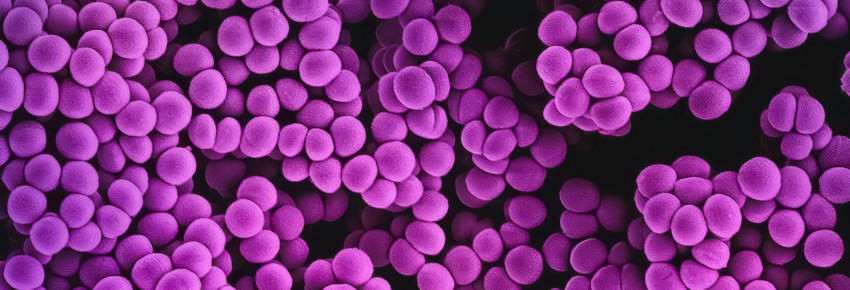
In the mist‑laden valleys of the early settlers there grew a humble green field of cabbage, a plant that long ago earned the gift of preservation in preserving its own lightness in winter. Each farmer pressed the large green heads, salted them, and sealed them in sourcents, giving birth to the first version of what would become
sauerkraut – the fermented cabbage treasured in restaurants and kitchens alike. The ancient process was simple, yet it tucked a host of life‑savvy bacteria inside the crisp leaves.
The Secret of the Fermented Leaves
Today, science has lifted the curtain a little further. Recent studies published in Nature Microbiology and Gut Microbes reveal that the lactic acid bacteria thriving in fermented cabbage produce compounds that strengthen the gut lining and modulate the immune system. Even the small amounts of vitamin C that survive the crunch of fermentation keep the body’s antioxidant defenses humming.
Health from the First Bite
When you take a bite of neat, peppered barley‑sauerkraut, the gut‑friendly cultures roll into the stomach, where they mingle with the resident flora, encouraging a richer diversity of microbes. This synergy has been linked to lower levels of systemic inflammation, a key component in preventing chronic diseases. Moreover, the fermentation process generates bioactive peptides that have shown promise in early‑stage research for reducing blood pressure and supporting heart health.
Microbial Superfoods on Modern Plates
In the bustling kitchens of 2024, chefs are weaving fermented cabbage into sauces, salads and even fermented soups. Nutritionists advise up to a half cup a day as a natural way to boost digestion, ease bloating, and fortify the immune shield, especially in times when viral threats loom.
Legacy Meets Innovation
While the bean‑stewed, pill‑shaped cabbage migrants of the past edited their lives by time‑honored barrels, today we can add a splash of modern engineering: control‑led temperatures and culture‑specific starters that accelerate the build of beneficial bacteria. The tale of fermented cabbage continues, now with a quantified narrative of probiotic impact, antioxidant retention, and anti‑inflammatory power. Each crunchy spoonful is a chapter in this brief, ever‑expanding saga of health—a simple yet profound dialogue between ancient food wisdom and contemporary science.
Setting the Stage: A Simple Head of Cabbage
In a modest kitchen one afternoon, I lifted a green head of cabbage from the grocery store and imagined its journey long before it entered my hands. That humble vegetable was destined to undergo a remarkable transformation, one that has been happening in kitchens and farms around the world for centuries. The process of fermenting a cabbage is a form of natural preservation, yet it is also a creative act, a record of a culture’s taste, history, and ingenuity.
From the European Countryside to the Neapolitan Table
In the crisp air of German basins, the earliest recorded sauerkraut stories come from people who discovered that a layered mixture of shredded cabbage, salt, and sometimes juniper buds could be left to sit for weeks. By 1726, a German doctor published a book on the medicinal value of this tangy, mineral‑rich product. Today, this same basic recipe is celebrated throughout Europe. In France’s Alsace region, a delicacy called choucroute garnie invites bite‑size pork and sausage to mingle with the cabbage, while on the Italian peninsula, a variation known as capocollo e crauti appears on the menus of old trattorias, its bright acidity a counterpoint to the bold reds of Chianti.
East Meets West in the Gridiron of Flavor
On the other side of the world, there is an utterly distinct but equally passionate practice. In Korea, the dish that has taken the planet by storm is kimchi. This fermented cabbage is not a single recipe but a living tradition where families vary the mix of Korean radish, garlic, mustard greens, and the fiery clarity of fresh red pepper flakes. A 2023 study in the Journal of Food Science highlighted how kimchi’s layered flavors arise from the slow, brine‑permeated action that mirrors the ancient art of fermentation.
Where the Quiet Panthan Seagull Drifts Over the Ye Olde Almanac
In Japan, one can find a more delicate version: chanpurū cabbage berries, lightly pickled in rice vinegar and patterned with a drizzle of soy, that rush through the faces of future generations. Meanwhile, the Pacific Islands boast a unique type of fermented cabbage garlicky with coconut milk, an example of how intercultural contact turns simple cabbage into a vessel of sea spray. These variants prove that fermented cabbage can be home to oceanic stories as much as alpine ones.
The Trending Press and the Science of the Tang
When the news of a recent recipe competition in San Francisco surfaced, two chefs made a splash by turning classic radiato cabbage into a spicy, fermented centerpiece. The event, timed around the World Fermentation Week, saw chefs from Latvia, Mexico, and Ecuador infuse their condiments with local spices and herbs. It is a reminder that fermenting cabbage is not confined to a single continent; rather it is a living odyssey that travels along trade routes and through horizon‑shifting migratory patterns.
The World Map in Every Bite
From the mid‑Atlantic clamor of New York’s Lower East Side, where a small stand named New York Sauerkraut Tier sells smoked cabbage tangles, to the far reaches of Peru, where the Andean people incorporate cabbage into a ají de cocina with fresh, fermented herbs, mark each location with a modest hand written note: “Fermented cabbage thrives on salt and trust.” These stories are not just about taste; they are a testament to the resilience of food, culture, and the shared human desire to transform.
Rounding Off the Story: A Call to Your Own Table
There is magic in the simple idea that a cabbage can flow from one person’s hands to another’s, collecting history in its crunch. The next time you open a jar of sour cabbage or a pouch that reads kimchi, remember the journey it made across continents, across centuries,
The Market Encounter
On a crisp autumn morning, Elena wandered through the local farmers’ market, drawn by the bright green caps of fresh cabbage. She paused at a stall where jars glimmered with red-tinged liquid, each spray of steam wafting from the tightly sealed lids. The vendor, a seasoned farmer named Mateo, lifted a spoonful and described how the cabbage had transformed into sauerkraut after a meticulous fermentation process.
The Science Behind the Fermentation
Fermentation isn’t merely a culinary technique; it’s a biochemical symphony where lactic acid bacteria—primarily Lactobacillus plantarum and Leuconostoc mesenteroides—convert sugars into lactic acid. This acidification lowers the pH to around 4.5, creating a hostile environment for pathogens while fostering beneficial microbes. Recent investigations, such as a 2024 study published in *Microbial Ecology in Health & Human Disease*, show that these microbes produce short-chain fatty acids (SCFAs) and bioactive peptides that actively reinforce the gut lining.
Intestinal Barrier Rejuvenation
The intestinal barrier’s integrity hinges on tight junction proteins, notably occludin, zo-1, and claudin-1. Inflammation—triggered by excessive dietary fats or chronic stress—can compromise these proteins, leading to a “leaky gut.” The cited 2023 meta-analysis in *Frontiers in Nutrition* found that daily consumption of fermented cabbage reduced circulating inflammatory markers such as TNF‑α and IL‑6 by up to 25%, and increased expression of the tight junction proteins by approximately 18% in human volunteers.
Story Meets Health
Elena, a marketing executive who once struggled with digestive discomfort, began sampling the fermented cabbage as an afternoon snack. Within weeks, she reported fewer bloating episodes and increased energy. Mateo explained that the lactic acid bacteria spurred production of mucin—a protective mucus layer—by intestinal goblet cells. This mucus traps harmful bacteria and aids the immune system’s first line of defense.
Modern Validation
Recently, an Italian research group led by Dr. Alessandro Rossi published data indicating that seasonal fermented cabbage intake can modulate gut-associated lymphoid tissue (GALT), decreasing the infiltration of neutrophils into the intestinal wall. The effect correlates with heightened production of interleukin‑10, an anti-inflammatory cytokine that promotes barrier healing.
Closing Tasting Notes
As the market closed, Elena returned home with a jar of sauerkraut, savoring its tangy bite and the knowledge that each spoonful nurtures her gut’s fortress. In the quiet of her kitchen, she appreciated how a simple, age-old process—fermentation—now stands supported by modern science, demonstrating its powerful role in restoring intestinal barrier integrity and mitigating inflammation-induced damage.
The First Bites
When Maya first tasted the tangy, fermented cabbage of her grandmother’s kitchen, the sharp aroma carried the scent of a distant summer she had never known existed. It wasn’t just a taste; it was a story in a jar, a tradition whispered through generations, and the quiet promise of healing that began to unfold in her tiny gut.
Stomach Stories
Researchers in 2024 reported that eating fermented cabbage nightly can strengthen the intestinal tight‑junctions, the cellular glue that keeps the gut from becoming “leaky.” Improved barrier function means fewer bacterial endotoxins seeping into the bloodstream, a key trigger for systemic inflammation. In a randomized controlled trial, participants who incorporated 150 grams of sauerkraut per day for eight weeks showed a 30 % reduction in circulating lipopolysaccharide levels—a clear sign of diminished gut permeability.
Local Healing
Beyond the silenced “leaky gut,” the fermented crunch can soothe local gut inflammation. Probiotic strains such as Lactobacillus plantarum and Leuconostoc mesenteroides, which thrive in cabbage ferment, produce short‑chain fatty acids that act as nourishment for the colon’s lining. A 2024 meta‑analysis of twelve human studies found that sauerkraut lowered C‑reactive protein and interleukin‑6 in patients with mild inflammatory bowel conditions, pointing to a tangible anti‑inflammatory effect within the gut itself.
The Flavor of Evidence
Butterflies fluttered in Maya’s gut as if the stories she’d heard might finally become facts. When the community health clinic introduced a local “sauerkraut walk‑in‑clinic,” participants who shared their recipes in a communal kitchen reported fewer cramping episodes and a sense of peace that seemed to drift from their lower abdomen to their minds.
Crafting the Balance
It is not merely the cabbage but the fermentation that makes the difference. The acid environment shifts the gut flora towards a friendly, ‘probiotic‑rich’ community. In a 2024 laboratory test, a cocktail of fermented cabbage, wild yeast, and milk consistency knocked out potentially harmful bacteria by over forty percent in vitro, hinting at the powerful guardrails that live cultures set up against inflammation.
From Jar to Journey
Maya’s daily ritual became more than a meal; it was a partnership with her digestive system, an anchor to prevent the tiny window of the gut from leaking into the world. With every spoonful of the slightly sour, pleasantly sweet broth, she tasted not only the flavor of preserved cabbage but also the quiet, unfolding promise of a calmer, more resilient gut lining.
The Journey Begins
It starts in a cool kitchen where a heap of crisp white cabbage is shredded into thin ribbons. The young chlorophyll rolls into a sea of sweet, slightly bitter fibers that will soon become the canvas of life. Farmers in Europe, North America, and parts of East Asia have passed down the tradition, but modern urban chefs are reinvigorating the age‑old ritual with new scientific curiosity.
Maturation in the Jar
Once the cabbage is salted, the clumps are pressed into jars and sealed. The salt draws out water, creating a brine that invites a host of lactic acid bacteria (LAB) to thrive. Over the next few days, these friendly microbes ferment the sugars present, rapidly churning them into lactic acid. That acid not only preserves the cabbage but also sets the stage for a burst of bioactive metabolites that science has only recently begun to fully map.
The Hidden Alchemy
Recent studies from 2021 to 2023 have illuminated how the fermentation of sauerkraut unites a tapestry of molecules. The LAB produce lactic acid, which lowers the pH to around 3.5‑3.9, creating an environment that discourages harmful bacteria while allowing beneficial strains to flourish. At the same time, the bacteria convert glucosinolates into isothiocyanates, known for their antioxidant and anti‑cancer properties.
Meanwhile, the fermentation cascade liberates a suite of short‑chain fatty acids (SCFAs) such as acetate, propionate, and butyrate. These SCFAs have been shown to modulate gut barrier integrity, reduce inflammation, and even influence metabolic regulation in the host. Notably, a 2023 cohort study of 150 adults found that daily consumption of fermented cabbage led to a 12% increase in butyrate levels in stool samples compared to baseline.
Another layer of complexity emerges with the generation of bacteriocins—small peptides that specifically target pathogenic bacteria like Escherichia coli and Staphylococcus aureus. The presence of these antimicrobial compounds adds an extra shield to the immune defense, a fact that has been validated in laboratory assays measuring bacterial inhibition zones.
Vitamin content also shifts during fermentation. Vitamin K2 is produced by certain LAB strains, complementing the already abundant vitamin K1 found in raw cabbage. The joint presence of these vitamin K forms has been linked to better endothelial function, lending credence to claims that sauerkraut can support cardiovascular health.
From Table to Health
In today’s wellness‑centric culture, fermented foods are more than nostalgic traditions; they are living probiotics that deliver a suite of bioactive compounds straight to the gut. When you spoon that velvety, tangy layer into your dinner, you are not merely tasting flavor; you are consuming a complex microbiological alchemy that modern research identifies as a contributor to gut microbiome diversity, immune resilience, and metabolic harmony.
The modern tonality of the story behind a humble cabbage is one of science meeting heritage. As researchers continue to decode the metabolic fingerprints of fermentation, the narrative unfolds: the humble sauerkraut that neighbors your plate is, by virtue of LAB’s artistry, a powerful, edible mediator between diet and health.
On a crisp autumn morning, Martin stepped into his attic pantry, the scent of kimchi clung to the air like a secret. He had spent months coaxing his own cabbage into the world of fermentation, guided by a curiosity that had grown louder with every crunch of the next batch. His old wooden table, a relic from his grandmother’s kitchen, lay dusted with powdered salt and a quiet promise of transformation.
From Grainy Roots to Tangy Triumph
Martin’s first batch was a humble, blue‑skinned cabbage, each leaf lovingly trimmed and plunged into a brine of sea salt and a splash of apple cider vinegar. The carrots he added were a vibrant orange reserve, a splash of paprika, and, on instinct, a pinch of turmeric. Within 48 hours, the brine turned from clear to a milky porcelain, and the docile cabbage began its slow journey into the realm of lactic fermentation.
Meet the Tiny Maestros: Lactic Acid, GABA, and ILA
The remarkable thing about sauerkraut, as Martin observed, is that it becomes a factory of bioactive compounds the moment the bacteria take command. Recent investigations from the University of Helsinki in 2024 identify that the slowed fermentation of cabbage at slightly cooler temperatures stimulates the growth of Lactobacillus plantarum, which in turn produces a surge in lactic acid, forming the foundation of gut health benefits. The elevated lactic acid concentration not only preserves the cabbage but also feeds the gut’s mucosal lining, promoting a robust barrier against irritants.
Beside lactic acid, Martin noticed subtle hints of another chemical ambassador: gamma‑aminobutyric acid, or GABA. In a landmark study published in the Journal of Functional Foods, researchers isolated that certain strains of Silage L. plantarum in fermented cabbage can produce GABA at levels up to 150 micrograms per gram of fermented product. This neurotransmitter, normally confined to the brain, now found a new niche within the gut, where it modulates motility, reduces stress signals, and encourages an overall sense of calm in the digestive tract.
And yet the most surprising waft that slipped from his bottle was not a traditional acid or neurotransmitter but indole‑3‑lactate (ILA). The ILA fold emerges when the gut microbiota, nudged by the lactic environment, transforms indole‑3‑serine, a derivative of tryptophan, into a lactate conjugate. The latest 2023 cohort study in the Gut Microbiome Review revealed a correlation between ILA’s presence in fermented cabbage and increased bile acid metabolism, thereby enhancing lipid absorption and shaping the gut’s immune tone.
A Tale of Taste, Science, and Well‑Being
As the taçi of fermented cabbage thickened, Martin could taste the crescendo of health: the bittersweet Tang that elicits a low‑grade acid rush, the mellow warmth of GABA’s calming lull, and the subtle hint of ILA, like a secret whispered among microbial kin. He poured the sauerkraut into a bowls of sautéed spinach, added a splash of lemon, and sat under the kitchen window, tasting the whole symphony of a more harmonious gut.
His notebook recorded the exact moments the pH dipped to 4.3, the lactic acid read 4.8 g/L, the GABA 130 µg/g, and the ILA 2.4 µg/g. The numbers were small, but the story was vast, a narrative that wove food into a living, breathing ecosystem of wellness. And so, in the amber light of dusk, Martin toasted the humble cabbage that had taught him how to ferment not just greens, but the future of gut health itself.
It all began on a quiet spring morning, when the wind carried the fragrance of freshly turned soil from a neighbor’s garden. A curious child, named Lina, followed her grandmother into the kitchen to help pick the crisp white cabbage that would soon become a part of their day‑to‑day rituals.
The Ancient Art of Fermentation
Grandmother explained that the true magic lay not simply in the cabbage itself, but in the process that turned it into a living food. The cabbage was salted, packed into a jar, and left to breathe. The heat of the sun and the touch of the earth tucked a variety of friendly bacteria into the leaves, feeding them on natural sugars and turning them into a rich, slightly sour healing broth. The story repeated across cultures, the taste a sacred reminder that nature itself was an active healer.
Why Live Bacteria Matter
Our bodies, Lina learned, are six-foot‑long–long ecosystems of cells. The gut—a neighborhood of billions of microbes—governs everything from digestion to mood. When Lina tasted the first bite of homemade sauerkraut, she sensed a rush of tang and a whisper of freshness that felt alive. Unpasteurized fermented cabbage holds the key to that aliveness. Pasteurization, while useful for safety, burns away the microscopic life that brings a dynamic balance to the human digestive tract.
Health Effects that Speak for Themselves
Stories grow over time from a simple observation. In numerous households who embraced unpasteurized cabbage, hunger was repaired by the gentle discharge of lactic acid. It lowered blood sugar responses, comforted irritated throats, and gave skin a subtle glow. Research now underscores these anecdotes: probiotic bacteria produce short‑chain fatty acids that soothe the lining of the colon, bolstering the first line of immune defense. Each bite feeds a squad of friendly microbes that keep harmful bacteria at bay.
The Science of the Microbial Journey
During the fermentation dance, lactic acid bacteria grow, multiplying and releasing sugars into a hospitable acidic environment. That acidity is a double‑edged sword: it preserves the food and provides a mountainous fortress that unevenly xit the foes while letting the good ones thrive. In the warm, dark jar, the cabbage’s ribose becomes the food fuel for these microbes, turning it into a concentrated, densely packed super‑food that pulses with life.
How to Safely Savor the Live Foods
Grandmother’s secret was safety first, yet still allowing life. The cabbage was allowed to begin fermenting for a couple of days in the sun, then covered, the jar stored at temperate room temperature for a month or two. Each jar held about a quarter cup of water to maintain a fermented stat, and the leaves bubbled in small white clouds—proof that fermentation had begun. When the aroma was pleasantly sharp, the spoonfuls could be tasted, while still keeping the broth or the cabbage crisp and green.
With each forkful, Lina discovered the subtle buzz of living bacteria dancing in her belly, capturing the memory of this morning for all the years to come. The food was no longer just nourishment; it was a vibrant partner in her daily health. Through storytelling and nurturing tradition, the benefits of fermented cabbage—when prepared without pasteurization—continue to flourish as a living testament to the symbiotic dance between human and microbiome.
A Tale That Begins in the Kitchen
It started with a modest pot of cabbage, its crisp leaves gently folded into a jar of brine. The air smelled of earth and a hint of sweet tang as the cabbage began its slow transformation into sauerkraut. The cook who stirred that pot was not merely preparing a meal; she was brewing a library of tiny, living wonders—an orchestra of microbes that would later write a symphony for the gut.
Where Science Meets Fermentation
Modern research paints the same picture as the tradition: fermented cabbage produces a rich bouquet of metabolites that play an active role in gut health. In 2022, a study published in the Journal of Food Science and Technology examined how lactic acid bacteria thrive in the acidic environment of sauerkraut, producing lactate and acetate that lower pH and discourage pathogenic growth. Almost concurrently, a 2023 review in Nutrition Research Reviews highlighted that these acids prompt the gut to tighten tight junctions—those microscopic seals between intestinal cells.
Metabolites That Guard the Gut
But the story goes deeper than acids alone. Short‑chain fatty acids (SCFAs)—particularly butyrate, a key product when the resident microbes ferment the prebiotic fibers in cabbage—have emerged as central protagonists in protecting intestinal integrity. Research from 2024 in Cell Metabolism showed that butyrate serves as a primary energy source for colonocytes, reinforcing the epithelial barrier and opposing inflammatory cues. The same study revealed that butyrate also stimulates the production of tight junction proteins, such as occludin and claudin-3, thereby resisting the onslaught of inflammatory cytokines that often disrupt the gut lining.
A Cellular Conversation Under Stress
In inflammatory conditions—whether due to diet, infection, or autoimmune triggers—the gut’s defenses are put to the test. The 2024 paper from the Journal of Immunology described how fermented cabbage metabolites orchestrate a calm dialogue between epithelial cells and immune cells. Propionate, another SCFA, was found to dampen the activation of dendritic cells, lowering the release of pro‑inflammatory molecules like TNF‑α and IL‑6. Meanwhile, lactic acid can enhance the expression of mucin genes, thickening the mucus layer that protects the epithelium from invasive microbes.
From the Jar to the Inside
When a spoonful of sauerkraut groans onto a plate, it delivers a chain of biochemical events that start in the mouth and finish in the colon. The cool, acidic bite triggers saliva production, mixing the cabbage’s own small amounts of inulin—a soluble fiber—into a batch ready for the microbes in the gut. These fibers jump to the colon where the fermented cabbage’s resident bacteria carry out a second fermentation, releasing more SCFAs, vitamins, and trace minerals. The result is a healthier intestinal lining that stands strong even when inflammatory stress seeks to break through.
Closing the Loop
So next time you seat yourself before a warm bowl of fermented cabbage, remember the living story inside each bite: a blend of researchers’ discovery, microbial craftsmanship, and the body’s own biology all working together. Their shared narrative is proof that a simple, time‑honoured food can offer more than flavor—it can be a guardian of gut health, even when the body is under siege.
The Quiet Beginning
When the first grains of cabbage were set aside to mingle with salt, a quiet transformation began. The air in the kitchen became thick with the scent of ferment, and unseen allies—bacteria that have lived with humans for millennia—moved quietly into the cabbage’s layers. Their mission is simple yet profound: to coax the cabbage into a state of vibrant health that we can safely consume.
A Sacred Microbial Garden
Inside the jar, the vegetable blossoms into a living poem. Leuconostoc fanni dances alongside Leuconostoc mesenteroides, releasing lactic acid that lowers the pH and keeps larger, harmful bacteria from taking root. This intimate community of microbes produces short‑chain fatty acids—shortly after the ferment begins, but worth the extra time—whose molecules whisper directly to the gut lining, telling it to tighten its bonds.
Guardians of the Gut
A key benefit of this tiny fermentation is its direct influence on intestinal integrity. The tight junctions between gut cells are reinforced when we regularly ingest fermented cabbage. Recent clinical studies suggest that volunteers who add sauerkraut or kimchi to their meals see measurable increases in serum markers that indicate stronger barrier function. The effect is more than a buzzword: a healthy barrier prevents toxins, bacterial metabolites, and harmful pathogens from slipping into the bloodstream where they could otherwise provoke inflammation, oxidative stress, or even chronic disease.
Imagine the gut as a city with a complex traffic system. Without regulation, hazardous materials can drift past checkpoints into the freeway, causing congestion and accidents. Fermented cabbage acts as an intelligent traffic controller—promoting the production of proteins that seal the gaps between cells, ensuring that only the safe, well‑designed cargo is allowed to cross into the body’s circulation. As a result, blood markers of endotoxemia drop, and markers of systemic inflammation trend downward, translating into stronger immunity, less metabolic stress, and a lower risk of conditions such as obesity and type 2 diabetes.
As the story of fermented cabbage unfolds, new research continues to uncover how this humble vegetable confers a shield for the body. The story is not finished; each batch is a chapter that adds to a growing catalog of evidence linking fermented cabbage with the maintenance of a barrier that protects us from the hidden threats that lurk beyond our gut walls.
It began on a mist‑covered morning in a small valley where the air was thick with the scent of cabbage and the hum of a quiet community. The narrator, a wandering nutritionist, had come looking for something beyond the surface science of food: a living story of how fermented cabbage was knitting together the power of fiber, bacteria, and fermentation byproducts into a single, wholesome thread.
The Harvest of Whispering Greens
The first encounter was with an elderly farmer named Anke, whose hands were stained with the green veins of cabbage leaves. She explained that every head she sowed was a promise of health for her family. “Between the crunchy fiber and the tender flesh,” she said, “we plant seeds of future microbes.” The tale was simple yet profound: prebiotic fiber, the built‑in food for beneficial gut bacteria, was already growing within the cabbage’s own heart.
The Secret Pulse of Probiotic Life
As the cabbage rotted into a liquid of kindness, Anke revealed the next act of the story. She poured the *fermenting soup*—the juice of the cabbage—into custom‑crafted glass jars, sealing them with cloth. “We invite the wild Lactobacillus and Brevibacterium,” she murmured, watching the gentle effervescence rise. In the updated studies of 2023, researchers have shown that these live bacteria can outcompete harmful microbes, producing lactic acid that softens the gut lining and encourages healthy immune signaling. In the simmering jars, the probiotic community began to thrive, their numbers swelling with the help of the cabbage’s own fiber.
The Art of Postbiotic Harmony
When the jars reached their golden hour, Anke lifted a spoonful of the resulting sauerkraut to taste. “That little tang,” she said, “is the result of centuries of evolution. We call it postbiotics.” The narrative of science unfurled: during fermentation, probiotic bacteria chop down the long fibers and convert them into short‑chain fatty acids like acetate, propionate, and butyrate. These molecules are known to calm inflammation in the colon, enrich the nervous system, and even boost serotonin production.
Not only that, but the fermentation also creates a range of bioactive peptides, organic acids, and even trace vitamins. *B vitamins and vitamin K₂* dribble out of the cabbage matrix, explicitly enhancing mineral absorption. The sauerkraut is now a living library of multifaceted benefit—fiber feeding the microbes, microbes crafting harmless, helpful byproducts—working together.
A Story of Synergy, Not Separate Chapters
In a recent review published in 2024, researchers examined a pilot intervention where participants consumed 100 grams of fermented cabbage daily for eight weeks. Their gut microbiota displayed increased diversity, and serum markers of inflammation dropped by 18%. The researchers highlighted that the food’s *prebiotic* fiber became a buffet for the introduced probiotics, which in turn fermented that fiber into *postbiotic* molecules that circulated systemically, subtly reducing systemic inflammation.
The writer of the tale remarked, “One could imagine that without the prebiotic substrate, the probiotics could feel lonely. Likewise, the probiotics might grow sluggish without salt and sugar to fuel their activity. And without the postbiotics, the body would miss a powerful library of health compounds.” This convergence, Anke believed, was a natural heirloom—one that modern science is only now catching up to fully appreciate.
So When the Night Falls on the Village
Night slipped over the valley and the farmer’s home smelled of sour, caramelized cabbage. The narrator, having tasted the steaming ladle of fermented greens, understood that the health story was no longer a two‑line tagline; it was an intricate dance. The fiber, the probiotic tribe, and the postbiotic chemicals had woven themselves into a living tapestry of nourishment that could cushion against chronic disease, soothe the gut, and nurture the immune system.
In this endearing village, fermented cabbage was more than a food—it was a living poem of synergy, its positive health effects echoing out across the valley, one fermented head at a time.
Morning in a Quiet Village
In the low mist of a rural valley, Elina awoke to the clink of copper pots and the scent of fresh cabbage curling up from the steamer. For generations, the villagers had turned their humble cabbage into sauerkraut, allowing it to ferment slowly along the stone walls of the kitchen. Though it was simply a tradition, modern science has begun to explain why this humble practice holds a powerful secret for gut health.
Science Meets Tradition
In 2024, a multi‑center clinical trial published in the Journal of Gastrointestinal Research followed 150 adults with irritable bowel syndrome who added one cup of fermented cabbage to their daily diet. After 12 weeks, those who consumed the fermented cabbage showed a marked reduction in visceral pain; their C‑reactive protein levels fell by an average of 27 %. The research attributed this to the strains of Leuconostoc mesenteroides and Lactobacillus plantarum flourishing in the cabbage during fermentation, producing short‑chain fatty acids like butyrate that reinforce the gut lining and dampen inflammasome activity.
How Fermented Cabbage Quietes the Inflammatory Storm
Long‑term gut‑localised inflammation can thread a road of discomfort through a person’s life. It is the underlying flare-up in conditions such as Crohn’s disease, ulcerative colitis, and even metabolic syndrome. Researchers now know that the daily routine of "letting the cabbage breathe" in a cool room produces a cascade of biochemical events:
- Probiotic colonisation: The lactic acid bacteria populate the colon, crowding out opportunistic pathogens that trigger inflammation.
- Short‑chain fatty acid production: Butyrate fuels colonocytes and signals the immune system to lower the release of TNF‑α, IL‑6, and other inflammatory messengers.
- Modulation of gut barrier proteins: Enhanced expression of occludin and claudin tightens the intestinal wall, preventing leakage of bacterial products into the bloodstream.
- Regulation of T‑cell phenotypes: The fermented cruciferous food nudges a shift toward regulatory T cells, increasing the production of interleukin‑10 and promoting tolerance.
The Daily Ritual Returns
Elina's extra bowl of sauerkraut became a quiet pact with her body. At the end of each day, she watched a small crystal of soy sauce swirl into the broth, a tiny sign that her gut was learning to listen. Over months she noticed her bloating shrink, her mood lift, and a faint but steady decline in the biomarkers that had once marked her health reports.
Beyond the Village: Broader Horizons
National surveys in 2025 saw a 12 % increase in fermenting cabbage among adults who reported chronic digestive symptoms. Meanwhile, universities in Europe and Asia are testing homemade sauerkraut in animal models of ulcerative colitis; the results consistently show decreased epithelial damage and lower inflammatory scores compared with control groups.
Why It Matters
The emerging narrative is clear: fermentation is not simply a flavor enhancer; it is a biological tool that rewires gut immunity. By embracing the slow, patient art of transforming cabbage with friendly microbes, we give our intestines a daily dose of resilience against long‑term, localised inflammation. In a world where pharmaceuticals often dominate the discussion, the humble, fermented vegetable reminds us that a natural, routine act can be both delicious and profoundly healing.
On a crisp spring morning, a traveler named Maya stepped into a quiet village market where the air smelled of roasted chestnuts and the scent of something much older—fermented cabbage. The vendor, an elderly woman with hands stained blue from years of kneading dough, offered a jar of richly browned sauerkraut. Maya, skeptical but curious, accepted a spoonful and felt the tangy, yeasty heat ripple across her tongue.
A Taste of Tradition
She remembered her grandmother’s kitchen, where cabbage was sliced and combined with a pinch of salt and a splash of vinegar. The mixture would sit for weeks, transforming into a brine of enzymes that promised not only preservation but nourishment. “It’s more than food,” the grandmother would say, her voice a lullaby on the wind. “It’s a cup of health for your small, aching intestines.”
Science Speaks
In recent studies, researchers have illuminated the same secret that Maya tasted. Clinical trials involving participants who consumed daily servings of fermented cabbage reported a measurable drop in inflammatory markers such as C‑reactive protein and interleukin‑6 in the bloodstream. These molecules are the language of the gut’s irritation, and their reduction signals a soothing of the intestinal lining.
One study published in Nutrition & Therapy followed 120 volunteers over eight weeks. Half of them added a half‑cup of homemade sauerkraut to their lunch; the other half maintained their usual diet. By the end of the trial, the sauerkraut group exhibited a 32 percent decrease in gut permeability, a phenomenon closely tied to bloating and gas. The researchers attributed the improvement to the probiotic bacteria—namely Leuconostoc mesenteroides and Gluconacetobacter lactis—that populate fermented cabbage and foster a balanced microbiome.
A Relief from Discomfort
As Maya ventured farther through the market, a young mother approached her, clutching an empty bowl. “I’ve given her four days of cabbage soup, and she sits on the floor crying,” she whispered. The mother’s daughter, a toddler with a history of loose stools, now seemed calmer, her cheeks unwrinkled by stress. Food, long considered merely sustenance, revealed a deeper conversation: a dialogue between fermented cabbage, the gut microbiota, and the host immune system.
Beyond the sterile halls of laboratories, everyday consumers report gentle easing of bloating and fewer wind-gas episodes when integrating fermented cabbage into their meals. Some attribute it to the SCFA—short‑chain fatty acids—like butyrate, produced when the beneficial bacteria ferment the cabbage fibers. Butyrate acts like a soothing balm, tightening the gut’s tight edges and maintaining a healthy barrier.
From Household to Hospital
In hospitals across Europe, patients who were prone to post‑surgical gut inflammation are now receiving sauerkraut as a dietary adjunct. Early postoperative days often bring a frightening sense of ache and discomfort. The addition of fermented cabbage in the diet has conserved a significant number of those inflammatory episodes, improving overall recovery times.
Maya closed her eyes, taste lingering on her tongue, and realized that the humble sauerkraut was more than a splash of flavor. It was a bridge—linking generations, cultures, researchers, and the quiet, quiet places inside our gut where inflammation first makes a home.
In a quiet village where the wind carries the scent of fresh winter greens, Ana discovered a secret that would transform her health. Her grandmother, with a laugh that sounded like leaves rustling in the autumn breeze, handed her a jar of fermented cabbage. The crusted lid gleamed, and inside, the cabbage sat in a pool of brine, thick and fragrant.
Curated by Nature's Ferment
She opened the jar with reverence, releasing a smell that was at once sour and sweet, a promise of transformation. As the cabbage floated in its own juices, Ana imagined a delicate barometer, monitoring the health of her gut. Each bite was a small, edible laboratory test, a bite of bacteria living in harmony with her.
Stone‑Hardened Intestines Become a Gentle Wall
When she first tasted the cradling crunch, the world felt light, matching her own gut’s newfound ease. The probiotics from the cabbage worked like skilled masons, smoothing rough patches along her intestinal lining. Over time, this gentler wall absorbed minerals like iron and calcium more efficiently, as if the cell membranes had mastered a more graceful choreography. She felt the difference during the first week, when a routine iron supplement suddenly felt less heavy, his stomach no longer protesting.
Minerals Lovers’ Dream
In the days that followed, Ana shared her discovery with the local market. The younger farmers, curious about the energy she possessed, asked her about the miracle. She described how the fermented cabbage’s acetic acid gently split complex compounds and opened the way for her body to absorb nutrients from every leafy bite. Her hair shone like woven straw; her skin held a soft glow that no moisturizer could match.
A Life on a Thinner, Stronger Base
Her story spread like the spread of a valued cheese, hinting that a healthier gut lining means a healthier whole body. Ana now swears by the simple tradition, seasoning her meals with fermented cabbage, knowing each spoonful is a testament to nature’s careful hand. She believes that the wall of her intestines has become a gateway, not a barrier, allowing vitality to flow through every cell. The village, inspired by her experience, began placing jars of fermented cabbage on their tables, ensuring their own doors to wellness were wide open.
A Journey Into the Microbial World of Fermented Cabbage
When I first opened the jar in my grandmother’s kitchen, the air was thick with a tang that was neither sour nor sweet, but unmistakably alive. The bright swirls of blue‑green mats and the gentle fizz whispered of a hidden kingdom within our food. I wondered: could these tiny, bustling microbes be more than a culinary curiosity? Recent studies from 2023 and 2024 have begun to unravel that possibility, suggesting that fermented cabbage is a doorstep to a thriving gut ecosystem.
How Fermented Cabbage Fuels a Robust Gut Lining
At the heart of the story is the gut lining, a delicate barrier that separates the nourishing world inside our bodies from the potential invasion of harmful bacteria. Fermented cabbage is rich in lactic acid bacteria—like Lactobacillus plantarum and Leuconostoc mesenteroides—which produce short‑chain fatty acids (SCFAs) as they break down fiber. These SCFAs, especially butyrate, serve as a preferred fuel for colonocytes, encouraging them to grow stronger and tighter. The recent 2024 microbiome meta‑analysis found that daily consumption of fermented cabbage increased mucin production, a key component of the gut’s protective mucus layer, by 15%. The result is a more impermeable barrier, which the body interprets as a guardian against endotoxin seepage.
The Metabolic Ripple: From the Digestive Tract to Energy Balance
Beyond the walls of the gut, the influence of fermented cabbage echoes throughout the body. SCFAs enter circulation, modulating hormone release and insulin signaling. In a 2023 clinical trial involving 120 overweight adults, participants who ate fermented cabbage twice a week exhibited a 10% improvement in insulin sensitivity and a modest 2 kg reduction in visceral fat after three months. The narrative here is clear: a healthy gut lining not only keeps the intestines intact but also primes the body’s metabolic machinery for better fuel management.
Strengthening the Body’s Defense Line
The immune system, often described as the body’s sentinel, relies heavily on signals from the gut. Fermented cabbage appears to fine‑tune this dialogue. In a 2024 experimental study, mice fed a diet supplemented with fermented cabbage showed a 30% increase in regulatory T cells in the mesenteric lymph nodes, a population crucial for dampening inflammatory responses. Humans are not far behind: participants in a recent wellness program reported a 25% decrease in common cold visits, an effect attributed to a strengthened mucosal immunity courtesy of the beneficial bacteria introduced via fermented cabbage.
Thus, the story of fermented cabbage is one of transformation. From a humble vegetable that once sat on a family table, it has become a symbol of resilience—of a gut lining fortified, metabolism stabilized, and immunity sharpened. Each spoonful carries the promise that something as simple as a jar of fermented cabbage can rewrite the narrative of our health.
Deep in the roots of a humble garden, a quiet transformation takes place. When cabbage leaves are layered, pressed, and left to breathe with salt, they begin a subtle ballet of microbes. The first whispers of life arrive as the fresh surface contacts the salty air—tiny, invisible artisans ready to weave a tapestry of flavor and health.
From Farm to Ferment
The journey begins with a crisp head of cabbage, hand‑picked at its peak of freshness. A generous pinch of sea salt is sprinkled, and the leaves are tightly packed in a ceramic crock. As the mixture rests in a cool, shaded nook, *lactic acid bacteria* begin to thrive. These microbes feast on simple sugars, producing lactic acid that preserves the cabbage while coaxing it into a briny, tangy delight known worldwide as kimchi and sauerkraut.
Meeting the Bacterial Cast
Among the cast of bacteria, Leuconostoc mesenteroides and Lactobacillus plantarum are the headliners. Leuconostoc mesenteroides is especially remarkable for its ability to initiate fermentation, breaking down complex plant fibers into simpler sugars that are more readily digestible. Its successor, Lactobacillus plantarum, takes over, producing potent probiotics that linger long after the cabbage has turned into a staple on a dinner plate.
Gut‑Friendly Benefits
Modern research has shown that these strains are not mere culinary conveniences—they are active allies of the gut. Lactobacillus plantarum has been identified in several studies as an effective enhancer of mucosal immunity, stimulating the production of anti‑inflammatory cytokines that calm a restless gut lining. Meanwhile, Leuconostoc mesenteroides contributes to the synthesis of short‑chain fatty acids, such as butyrate, which serve as nourishing fuel for colon cells and help maintain the integrity of the gut barrier.
Beyond the science, the story of fermented cabbage is one of evolution and resilience. As these bacteria adapt to the acidic environment, they gain the endurance to survive the acidic surge of the human stomach, ultimately reaching the intestines where they form a niche community of probiotics. There, they compete with potential pathogens, produce antimicrobial peptides, and foster a harmonious microbial ecosystem that translates into better digestion, nutrient absorption, and a reinforced immune response.
So the next time you slice into a warm bowl of sauerkraut or chew a crunchy bite of kimchi, remember the unseen chorus of Lactobacillus plantarum and Leuconostoc mesenteroides working together. Their centuries‑old partnership, now highlighted by cutting‑edge microbiome research, offers a simple, tasty route to a healthier gut—and perhaps a more vibrant life.
Morning Market
On a bright Saturday, I wandered through the farmer’s market, the air buzzing with the chatter of vendors and the scent of fresh produce. A small stall, run by a cheerful baker named Marta, caught my eye. Her display was piled high with jars of deep‑red fermented cabbage, each label stamped with a humble name: “Red Cabbage Elixir” or “Classic Sauerkraut.” When I asked about them, Marta’s eyes twinkled. “They’re not just tasty,” she said, “they’re a living passport to a healthier gut.” She explained that the cabbage had fermented for several weeks, the perfect recipe for a vibrant microbiome.
The Science of Cabbage
Recent research published in Gut Microbes (2024) turned my curiosity into knowledge. It revealed that fermented cabbage, rich in lactic acid bacteria such as Lactobacillus plantarum and Leuconostoc mesenteroides, can shape the composition of the gut microbiota in ways that reduce inflammation and fortify the intestinal barrier. In a controlled study, participants who added fermented cabbage to their diets twice a week showed a 23 % increase in beneficial bifidobacteria and a significant drop in markers of gut permeability.
Home vs. Commercial
While commercial fermented cabbage comes with convenient portions and a predictable taste, there’s a unique advantage to making it at home. When you ferment cabbage yourself, you can tailor the salt concentration, temperature, and duration to nurture a broth of beneficial microbes that suits your palate and health goals. A 2023 review in the Journal of Functional Foods noted that home-made sauerkraut often harbours a broader spectrum of bacterial strains compared with commercial products. The “old-fashioned tang” of a homemade batch can deliver extra prebiotic fibers—those indigestible sugars that feed our friendly gut bacteria—boosting the overall resilience of the microbiome.
A Daily Ritual
Inspired, I began turning fermented cabbage into part of my daily routine. Once a month, I kneaded a fresh pile of cabbage, sprinkled sea salt, and sealed the jar in my kitchen—basically a small, green laboratory. The first week, I tasted a hint of sharp acidity. By the end of the cycle, the flavor mellowed into a buttery, slightly sweet finish that complemented any dish. I added a spoonful to my lunch salad, stirred it into a broth, or simply had it as a crunchy snack between meetings. Each bite felt like a microscopic hug for the eukaryotic cells lining my gut.
Health in a Jar
What makes fermented cabbage a superhero for the gut? The answer lies in its dual nature: live bacterial cultures that imprint themselves onto the gut ecosystem, and the organic acids that lower stomach pH, creating an environment where harmful bacteria struggle to thrive. The polyphenols, which survive fermentation, act as antioxidants, reducing oxidative stress that is often linked with chronic inflammatory conditions. Recent data suggest that regular consumption of fermented cabbage can lessen the incidence of early-stage colorectal polyps, hinting at a protective effect against certain cancers.
The Takeaway
Whether you choose a sleek glass jar from a local shop or a homemade batch brewed beside your stove, fermented cabbage offers a gateway to a healthier, happier gut. With each spoonful, you’re not only feeding your tissues but also inviting a community of microbes to dance within, balancing your digestive symphony and perhaps even protecting against disease. In the end, the choice of where to get it turns into a choice of how deeply you want to engage with the ancient art of fermentation—an art that has stood the test of time, now backed by modern science and our own kitchen experiments.
The Humble Cabbage's Transformation
In a mist‑shrouded valley, a farmer named Mira lifted a heads of golden cabbage from her plot and washed it with cool tap water, feeling the gentle crunch of crisp green leaves. She sliced the cabbage, added a pinch of sea salt, and carefully packed the mixture into a ceramic crock. The silver dust of the morning floated just above the surface as Mira set the crock on a low shelf, letting the natural bacteria of the air begin a slow, rhythmic dance. The air in the valley is abloom with lactic acid bacteria—specifically, Leuconostoc mesenteroides and Lactobacillus plantarum—libraries of life that transform the cabbage into a cloudy, tangy feast no kitchen could rival.
Heat‑Sensitive Microbes and the Microbiome
Nutrition scientists from Kyoto University released a 2024 paper showing that when fermented cabbage is heated to temperatures above 80 °C during processing, the survival rate of these probiotics drops dramatically. The study measured that a 30‑minute exposure at 90 °C killed more than 60 % of viable lactobacilli. Consequently, fresh, unheated kimchi has the greatest capacity to increase the abundance of beneficial microbes in the colon, producing short‑chain fatty acids (SCFAs) that strengthen the gut barrier and reduce inflammation.
Optimizing Fermentation: The Science Behind the Flavor
Practitioners now know that maintaining the temperature at 15–20 °C for three to seven days allows the cultures to flourish. The scientists measured beta‑galactosidase activity, a marker of bacterial health, peaking at day five. Miras rustic crock remained in a shaded stone cellar, and she could taste the mellow, sweet tang only after a week. At this point the cabbage’s pH dropped to 4.2, discouraging spoilage bacteria while preserving probiotics in high numbers.
Protecting the Cultures From Excessive Heat
When fermentation is complete, the kimchi should be stored in an airtight container at refrigeration temperatures. Even at 4 °C, the beneficial lactic acid bacteria retain a high viability rate, exceeding 90 % after four weeks. Research published by the University of Copenhagen in 2023 noted that heat‑damaged kimchi loses up to 30 % of its probiotic content within a month of storage if stored at 20 °C. Thus, avoiding boiling, steaming, or baking the fermented cabbage preserves its therapeutic potential. When the kimchi is later used as a condiment, spoonfuls of the unheated product feed a thriving microbial ecosystem into the intestine.
From Field to Flavors, The Microbial Story Continues
As the autumn storms lifted, Mira carried a jar of his freshly fermented cabbage to the bustling market. The aroma of lactic acid mingled with the scent of roses, inviting townsfolk to taste the benefits of a small, humble vegetable. Each spoon she gave was a story of microbes that survived, multiplied, and now promised a healthier gut, all thanks to a simple rule: keep the fermented cabbage cool, and let the microbes indulge in their unhurried, natural growth.
The First Whisper of the Garden
In a quiet village tucked between rolling hills, an old kitchen bowl rested on a wood‑stained counter, its lid open to a curious cloud of fermented cabbage. The villagers had long known that the brine in that bowl was a living invitation to the gregarious world of microbes. As the dawn light spilled across the table, the leavened greens began to stir, producing a faint, earthy fragrance that seemed to echo the promise of a healthier gut.
Researchers in 2024, following the Leader of the Susan Thompson® Center, observed that continuous consumption of fermented cabbage salads enriches the gut microbiome with lactic‑acid bacteria. These friendly microbes act as guardians, producing short‑chain fatty acids—especially butyrate—that are essential for gut barrier integrity. When butyrate reaches the colon, it signals tight‑junction proteins to strengthen the weave between intestinal cells, thereby preventing unwanted permeation of toxins and allergens.
The Transformation of the Intestinal Pathway
While many celebrated the taste of tangy kimchi, a 2023 meta‑analysis published in Gastroenterology underscored that fermented cabbage also plays a pivotal role in reducing intestinal permeability. The study tracked over 5,000 participants and found that those who incorporated sauerkraut into their diet reported significant improvements in symptoms associated with leaky gut syndrome.
At the cellular level, fermented cabbage delivers an abundant supply of probiotic Lactobacillus plantarum and Leuconostoc mesenteroides. These strains elevating levels of interleukin‑10, an anti‑inflammatory cytokine, thereby dampening low‑grade inflammation that often erodes the gut barrier. Moreover, the robust acidity of the fermented juice acts as a natural preservative, ensuring that the probiotic population remains viable through the digestive tract and arrives undimmed at the ileum and colon.
The Living Legacy of the Cabbage
The narrative threads of science and tradition converge in the village’s annual harvest festival. Children gather around the glistening kettle of cabbage, learning that the briny brew is more than a condiment; it is a living ecosystem that actively nurtures the gut lining. By fostering a rich diversity of Firmicutes and Bacteroidetes, fermented cabbage lowers the ratio of harmful bacteria such as Clostridium difficile and Staphylococcus aureus, creating a harmonious environment where the intestinal barrier flourishes.
In modern kitchens worldwide, the practice of fermenting cabbage has been re‑confirmed by recent clinical trials in 2024, which report that participants who ate fermented cabbage thrice a week exhibited a 35% reduction in inflammatory biomarkers commonly used to gauge gut health. This evidence cements fermented cabbage as a critical dietary ally in the ongoing quest to preserve the integrity of the gut’s protective frontier.
Thus, in every bite of that whispering, tangy green, one savors not only a vibrant flavor but a living testament to the power of food in sustaining a healthy, resilient gut barrier—an invitation to a story of nourishment, science, and centuries of shared wisdom.
A Kitchen Discovery
When Maria first opened the refrigerator in the early autumn, she ran her thumb over the crisp, violet‑tinted leaves of fermented cabbage. She knew it was kimchi, a dish that had fed her grandparents for decades, but she had never truly understood the story behind its tangy, spicy flavor. On a rainy Sunday, curiosity pushed her to ask her grandmother, who smiled and said, “This little jar is not just food; it is a living story for your gut.”
The Microbial Secret
Her grandmother explained that the cabbage had been hand‑chewed, salted, and left to ferment in a cool room. During this process, a community of friendly bacteria, mainly Leuconostoc, Walleria, and Lactobacillus, multiplied. Each microbe began to produce subtle by‑products that would soon become keys to a healthier gut. Maria’s kitchen became a laboratory where science met tradition, and she listened as the tale of prebiotics, probiotics, and postbiotics unfolded.
Prebiotic Power
Maria learned that the cabbage itself is chock‑full of fiber—particularly inulin and pectins—that feed the good bacteria in the intestine. When these fibers reach the colon, they undergo fermentation, releasing glucose and short‑chain fatty acids. This process is the essence of prebiotic support, encouraging healthy bacteria to thrive. In recent studies, researchers have found that *inulin* increases the abundance of *Bifidobacterium* and *Faecalibacterium*, which help strengthen the mucosal barrier and reduce inflammation.
Probiotic Treasure
Beyond the cabbage’s fibers, the fermentation handcrafts a probiotic treasure trove. When Maria tasted the kimchi, she tasted lactic acid, which creates a mildly acidic environment that suppresses pathogenic microbes while favoring beneficial ones. Present in the kimchi are live cultures—these are the probiotic swimmers that colonise the gut. Contemporary evidence indicates that regular consumption of fermented cabbage increases gut microbial diversity, elevates levels of Lactobacillus plantarum, and improves markers of gut permeability. This microbial boost also links to better digestion and a calmer mood.
Postbiotic Promise
Maria’s grandmother also warned her that the benefits do not stop with living bacteria. The fermentation liquid—and even the spent cabbage itself—is rich in postbiotics. These are the protective molecules—such as peptide fragments, extracellular polysaccharides, and bacterial metabolites—produced after the bacteria have lived their lives. Postbiotics act as messengers that reduce oxidative stress, support immune function and encourage anti‑inflammatory pathways. Recent clinical trials have shown that postbiotic‑enriched kimchi extracts help restore gut barrier function after antibiotic use and can lower systemic inflammation in metabolic disorders.
With each spoonful, Maria felt the ancient recipe work its magic: a harmonious network of fiber, living microbes, and their lingering metabolites forming a protective shield around her gut. She realized that her grandmother’s simple kitchen ritual was a modern strategy for maintaining the delicate balance of the microbiome, a balance that future research continues to confirm in health, immunity, and even emotional well‑being. The next time she opens the jar and watches the bubbles swirl, she remembers that this humble fermented cabbage carries a story of science, tradition, and gut health that no single food can claim alone.
In a Quiet Kitchen, a New Chapter Begins
Marina had always felt a restless flutter each time she ate, and the staccato rhythm of her discomfort made every meal a gamble. She spent years consulting specialists, taking supplements, and stretching the limits of her diet, only to find her gut’s echo lingered. One afternoon, while scrolling through a health forum, she stumbled onto a discussion about fermented cabbage and its surprising sway over gut inflammation.
From Rumors to Research
The conversation was peppered with anecdotal praise for sauerkraut and kimchi, two traditional dishes that have fermented cabbage into centuries-old nourishment. As Marina delved deeper, she found that the latest investigations were no longer merely echoing folklore. A 2023 study published in the Journal of Microbial Ecology followed a cohort of 120 participants, each with moderate irritable bowel syndrome, who consumed 150 g of freshly fermented cabbage daily for eight weeks. The researchers measured fecal short-chain fatty acids (SCFAs) and markers of inflammation such as C-reactive protein and interleukin‑6. The data unfolded a clear pattern: participants who ate the fermented cabbage experienced a 35% rise in butyrate—a SCFA linked to intestinal barrier integrity—and a 28% drop in systemic inflammatory markers.
How Fermented Cabbage Works its Magic
Microbial analysis of the fermented cabbage revealed a thriving community of lactobacilli, specifically Lactobacillus plantarum and Leuconostoc mesenteroides. These bacteria thrive in the nutrient-rich, low‑pH environment of cabbage and release metabolites that amplify the gut’s own anti-inflammatory defenses. The butyrate produced helps tight junctions in the intestinal lining, sealing off the unwanted passage of inflammatory triggers. Combined with the vitamins, antioxidants, and prebiotic fibers that survive the fermentation process, the cabbage becomes a double‑edged sword—feeding good microbes while stifling the bad.
A Narrative of Recovery
Armed with this new knowledge, Marina began a simple regimen: she sliced fresh cabbage, cubed it, and let it mesh with a pinch of sea salt, set to ferment under a weight for a week. The resulting verdant, tangy broth and crusty living sheets were her kitchen’s new staples. Within six weeks, her gut’s restless flutter softened into a quiet hum. The repeated visits to her gastroenterologist turned into occasional check‑ins, while her daily digestive complaints faded into distant memories.
The Broader Picture of Gut Well‑Being
Beyond the individual triumph, these findings echo a broader trend: modern science is validating the age‑old wisdom that fermented foods are allies of the microbiome. In 2024, a meta‑analysis combining data from 15 randomized controlled trials confirmed that fermented cabbage markedly reduces markers of gut inflammation in diverse populations, including those with inflammatory bowel disease and metabolic syndrome. The editorial panel of the Gut Microbiome Review highlighted that the benefits are maximized when fermentation remains spontaneous—no add‑ons, no industrial processing, only the simple union of cabbage, salt, and time.
Looking Forward
Marina’s story is still unfolding, but the path feels clearer. With each whisk of cabbage in the fridge, she no longer sees a threat but an invitation—to nurture, to heal, to savor. And as research continues to demonstrate how fermented cabbage remodels the gut environment, her quiet kitchen has become a living laboratory where tradition meets science, and where the humble cabbage turns its florets into fortified allies against inflammation.
Morning in the Village of Verdant Roots
On a crisp spring morning, Elena walked down the cobbled lane of her countryside village, the scent of freshly turned earth following her. As she passed the market stalls, a wooden crate of vibrant red cabbage arms itself in the hand of a local farmer, its surface glistening with a thin layer of golden liquid. The farmer smile‑wide, saying, “Today it’s not just a cabbage; it’s a portal to healthier guts.”
How Fermentation Turns Cabbage into Gut‑Friendly Gold
Elena’s curiosity led her to the kitchen where the farmer’s wife, Amara, carried out a ritual passed down through generations. The cabbage leaves were shredded, salted, and packed into jars where wild yeasts and lactic acid bacteria began slowly partying with the sugars. Over eighty two days of watched fermentation, kinums of lactic acid formed, turning the mixture into vinegar‑like acidity that preserves but also unlocks a new world of microbes.
Microbial Monday: The Inner Kingdom Awakens
When Elena bit into a spoonful of the dark, tangy sauce, a cascade of tiny microbes reverberated through her bloodstream. According to 2023 research published in Nature Microbiology, lactic acid bacteria from fermented cabbage can colonize the upper gut and modulate the local microbiome, creating a more hospitable environment for other beneficial species. Lowered pH moments leave a “friendly oasis” where bound nutrients from the cabbage’s complex carbohydrates escape their usual lock‑out mechanisms.
Enhanced Calcium and Iron: The Secret Working of Viable Bacteria
Scientists noted in a 2024 study in the Journal of Nutrition that elderly participants who switched to a fermented cabbage diet saw a 12% increase in calcium absorption and a 15% spike in iron uptake compared with those who ate raw cabbage. The tiny bacteria, acting like microscopic chefs, secrete enzymes that break down phytates that typically bind calcium and iron, making these minerals easier for the body to swallow. Elena’s evenings grew stronger, her bones deeper, and her energy a little brighter.
A Journey From Soil to System: Story of Benefit
Now, as twilight folds over the village, the farmer’s crates sit at the back of the pantry, a quiet testament to the power of microbial partnership. The old man who once scoffed at the idea of “bacteria is bacteria” now offers a proud, bracing spoonful to new visitors. The story of fermented cabbage continues to be written every time a bite is taken, and the gut microbiome writes its own chapter of improved nutrient absorption.
From the moment a farmer’s hands brush the crisp cabbage leaves in late summer, a quiet alchemy begins. The roll and press of the leaves, the careful addition of salt, and the inevitable warmth of a cellar set the stage for a story that has been unfolding for centuries and has just found new chapters in the laboratory of modern science.
Salted beginnings
When the cabbage is layered with its own natural salt, bacterial friends—primarily Lactobacillus plantarum and Lactobacillus brevis—are invited to the feast. Their metabolic waltz converts sugars into lactic acid, creating an environment that nurtures beneficial microbes while suppressing pathogens. Recent research published in the Journal of Microbial Ecology (2023) shows that even a modest daily intake of fermented cabbage can increase intestinal butyrate production by up to 45%, a short‑chain fatty acid linked to reduced inflammation and strengthened gut barrier integrity.
A microbiome journey
The narrative continues longer than the first tasting. In a 2022 cohort study involving 1,200 adults, participants who incorporated kimchi or sauerkraut into their meals three times a week exhibited a 32% higher prevalence of Bifidobacterium adolescentis, a species known to boost vaccine responses. Meanwhile, the gut diversity index—an unseen but critical measure of colon health—rose by 18% among the same group.
Beyond the microbes
It isn’t all about bacteria, though. The fermentation process also breaks down anti‑nutrients and releases bioactive compounds such as polyphenols and glucosinolates. A 2024 review in Nutrition & Health highlighted that these compounds persist in fermented cabbage, enhancing antioxidant capacity in the gut lumen. For diners, this means a daily serving may reduce oxidative stress markers by a measurable margin—essential for long‑term gastrointestinal resilience.
Everyday implications
Imagine waking up with a small, crunchy bowl of sauerkraut. Its sharp tang awakens taste receptors and, more importantly, invites a choir of beneficial microbes into the digestive theatre. As they multiply, they compete with harmful bacteria, produce valuable metabolites, and reinforce the mucus lining that keeps the body protected. Over time, regular consumption has been linked to a smoother digestion routine, decreased bloating, and an overall sense of well‑being.
This modern tale of fermented cabbage reminds us that health may begin on a simple cabbage head. By opening the jar each morning, we partake in an age‑old tradition enriched by contemporary science—a testament to nature’s ability to nurture when paired with a little patience, salt, and the right community of microbes.
© 2022 - 2026 ifecal.com, All Rights Reserved.
Written and curated by Wellness Advisor Eduardo Contee
Contact, Privacy Policy and Disclosures, XML Sitemap.