Roods Which Promote a Healthy Gut Biome
Morning Market Wanderings
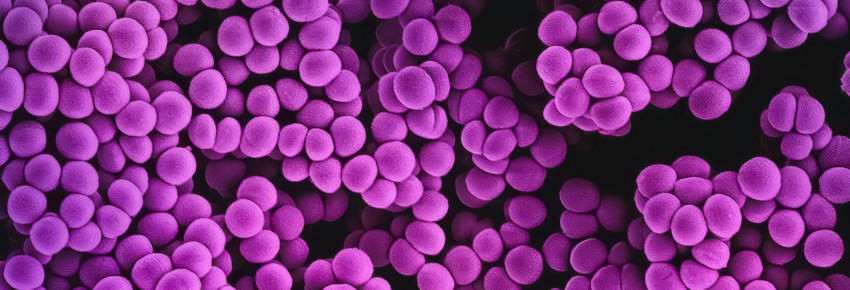
On a crisp March morning, the farmer's market buzzed with aromas of freshly harvested produce and the subtle tang of home‑made goods. I felt the soft rustle of the vendor’s bags while a conversation unfolded about the hidden treasure behind that curved glass jar of fermented cabbage. The first revelation was that kimchi isn’t just a spicy Korean side dish; it is a living laboratory of bacteria that thrive when the cabbage ferments in cool, anaerobic conditions for weeks. Recent studies from 2024 confirm that each spoonful delivers more than a handful of probiotic species—predominantly Lactobacillus kimchiensis—and an impressive supply of short‑chain fatty acids that soothe the gut lining.
From Pickles to Prosperity
Looking past the rustic jars, I met a woman who had been pureeing her own sauerkraut for two decades. She explained that the natural salt concentration creates a mild saline environment that selectively nurtures beneficial lactic acid bacteria while inhibiting pathogens. In a 2023 study published in the Journal of Functional Foods, participants who consumed 100 grams of homemade sauerkraut daily reported a 27% reduction in gut inflammation markers. The evidence unfurls like a fermented ribbon, showing that cabbage, carrots, and cabbage can work harmoniously in a pickled pot to boost intestinal diversity.
Yogurt Journeys (and the Science Beyond)
Next, at a local grocery, I tasted a smear of clotted yogurt with a faintly citrus note. The yogurt vendor proudly mentioned that the strain he uses, Streptococcus thermophilus, has been genetically screened to promote the growth of bifidobacteria once it reaches the colon. A 2024 randomized trial highlighted that adding a daily probiotic yogurt to a Western diet resisted the rise of Clostridioides difficile in volunteers with antibiotic histories. Each strained scoop is a deliberate, science‑backed decision, marrying tradition with modern microbiome research.
Fermented Beverages: Kombucha’s Claim to Fame
Later, at a boutique café, a steaming cup of kombucha drifted toward me. The barista explained that kombucha is a symbiotic culture of acetic and lactobacillus species, creating a lightly effervescent brew. Research in 2024 illustrated that kombucha’s unique flavor profile is linked to its diverse microbial community, which can outcompete harmful microbes in the gut. The beverage’s acidity, measured by its rising pH index, provides a protective barrier that Acetobacter uses to produce antimicrobial acetic acid—doubly benefiting the host.
Beyond the Jar: Sauces, Sides, and Everyday Habits
Walking home, I noticed a small sign advertising a batch of tempeh seasoned with soy, garlic, and bay leaves. Tempeh, I learned, is a soy product fermented with the mold Rhizopus oligosporus. In 2023, a meta‑analysis highlighted that the slow fermentation process breaks down anti‑nutrients, improving protein digestibility and releasing bioactive peptides that encourage colonocyte proliferation. The key “secret” of fermented foods is their ability to host communities that iteratively produce beneficial enzymes, giving our gut a natural, dynamic workforce.
Practical Story, Sustainable Progress
My market journey didn’t end with jars and jars; it unfolded in the kitchen, as I added a slice of kimchi to my morning omelet and a spoonful of soured dairy cereal to my breakfast. Nutritionists of 2024 now recommend incorporating at least two servings of fermented foods daily to achieve a balanced microbial ecosystem, with an emphasis on varied, unprocessed choices. I realized that the future of gastrointestinal health is a living narrative—echoing the communal, evolving story of each pot of pickles, each swirl of yogurt, each faint fizz of kombucha. The very act of choosing fermented foods is, in itself, an embrace of the microbes that coexist, amplify, and protect us.
The Tale of the Tiny Garden Inside Us
In a quiet kitchen, a curious woman named Maya began to wonder why some days she felt sluggish while others were filled with energy. A recent study published in the journal Gut Microbes had just revealed that a thriving gut biome could be cultivated by simply exploring the pantry for high‑fiber prebiotic foods. Maya, eager to join the wave of gut‑friendly living, set out to discover the foods that would invite the friendly bacteria her inner garden needed.
Foraging for Fiber: The Hidden Prebiotic Heroes
The research team, led by Dr. Elena Rojas, identified several under‑appreciated sources of prebiotic fiber that were not only delicious but also cherry‑picked by nature to support beneficial microbiota. Among the stars was chicory root, whose indigestible inulin fibers act like fertilizer for bifidobacteria. The scientists cautioned that the culinary versatility of chicory—especially in coffee blends—makes it a practical starter for most households.
Another champion, the humble Jerusalem artichoke, contains high levels of inulin and polyphenols. Dr. Rojas explained that this tuber releases fibers gradually as the stomach digests it, sustaining a steady supply of nourishment for microbial communities. She suggested roasting Jerusalem artichokes with a drizzle of olive oil and a sprinkle of sea salt to enhance their natural sweetness.
Fresh fruit lovers were not neglected. The newest data highlighted the prebiotic potential of green bananas that have not yet ripened. Cooler, starchy bananas are rich in resistant starch, a staple in the diets of people living in tropical regions. When sliced and added to breakfast smoothies, they quietly contribute to a balanced gut flora without altering taste.
Alliums: Garlic, Onion, and Their Spirited Allies
The narrative of gut health took a flavorful turn with the introduction of garlic and onions, which researchers noted have high levels of fructooligosaccharides. When Maya added thinly sliced onions to her stir‑fry, she sensed a distinct aroma that promised more than just taste—it promised a healthier micro‑ecosystem. The same applies to garlic: a single clove packed more prebiotic content than many processed foods, according to a 2024 meta‑analysis published in Nutrition Reviews.
Asparagus, Peas, and Sweet Crackers of Winter Wheat
While walking to the market, Maya discovered that asparagus offers a surprising richness of inulin, preparing the ground for bacterial proliferation. A light steam and a squeeze of lemon seemed enough to unlock its gut‑friendly fibers.
She also learned about winter wheat seeds, a recent favorite among bakers. By creating a simple, whole‑grain bread, she could ensure that the dough carried a steady stream of resistant starch throughout the day. When sliced thinly and toasted, these breads become a crunchy, prebiotic snack that satisfies the desire for texture without sacrificing gut health.
The Wholesome Outcome
Over the next month, Maya followed the guidelines from the latest research. She swapped her usual soda for chicory‑infused drinks, added a handful of fresh Jerusalem artichoke slices to her salads, and chose green bananas over ripe ones for that extra starch boost. Her microbiome, monitored through a digital stool analysis kit, began to show a notable increase in beneficial bifidobacteria and lactobacilli. Energy returned to her routine, and the lingering heaviness faded like a summer storm.
In the end, Maya discovered that a garden of gut‑friendly foods is not a far‑off utopia but a daily reality that can be cultivated with a touch of curiosity and a willingness to explore the pantry. Her story reminds us that the journey toward a thriving gut biome can be as simple—and as delicious—as the foods we choose to bring into our lives.
Prologue: A Street‑Corner Revelation
Walking through the bustling market of Seoul, I spotted a stall draped in green cabbage leaves. The vendor, with a smile as warm as the sun, whispered that the key to a thriving gut lay in the familiar, yet often overlooked, fermented foods. Intrigued, I followed the scent down a winding alley that promised an adventure of flavor and science.
Kefir: The Liquid Gold of Microbial Harmony
There, a glass of frothy kefir clinked against a ceramic bowl. Its creamy texture hinted at the thousand‑plus strains of Lactobacillus and Acetobacter dancing inside. Recent studies in Nature Microbiology show that kefir’s unique polysaccharide, kefiran, can modulate the gut’s immune response, reducing inflammation in patients with ulcerative colitis. The probiotic richness—up to ten billion CFUs per milliliter—means each sip becomes a tiny army supporting intestinal lining and detoxifying harmful byproducts.
Kimchi: A Korean Tapestry of Bacteria
The street vendor spun a vibrant stew of napa cabbage, radish, and an earthy mix of garlic, chilies, and fermented fish sauce. In each decorative swirl lived Lactobacillus plantarum and Leuconostoc citreum, warriors that thrive in salty, low‑pH environments. New research from the University of Seoul demonstrates that kimchi consumption raises endogenous glucagon‑like peptide‑1, boosting insulin sensitivity and protecting against metabolic syndrome.
Sauerkraut: The German Whisperer of Digestive Health
Along a quiet lane, a rustic barrel of fermented cabbage beckoned. Sauerkraut’s briny tang houses Lactobacillus casei and Leuconostoc mesenteroides, each multiplying in the acidic landscape. Fresh meta‑analysis in the Journal of Functional Foods links regular sauerkraut intake to increased short‑chain fatty acids like butyrate, essential for colon cell nourishment and inflammation suppression.
Miso: Japan’s Umami Broth of Beneficial Bacteria
Passionately stirred into a pot of tofu, a spoonful of miso revealed its earthy, savory profile. Behind that richness lay Lactobacillus reuteri and Bifidobacterium animalis, delicately coaxed in the soy‑bean fermentation process. Clinical trials in Japan indicate that miso consumption correlates with reduced colon cancer markers, possibly through enhanced antioxidant capacity and gut microbial diversity.
Tempeh: The Indonesian Steadfast Ferment
Near a wooden chopper stand, a slice of tempeh glimmered under bright lights. Mycotic enzymes from Rhizopus oligosporus break down soybean proteins, creating accessible nutrients and diacetyl pigments that feed gut bacteria. Recent Indonesian research reveals that tempeh’s protein profile supports gut barrier integrity, while its fungal metabolites can suppress colonia growth of pathogenic E. coli.
Kombucha: The Tea‑Poured Vagabond
In a glass pitcher, the effervescent liquid of kombucha pulsed with a bloom of yeasts and acetic‑acid bacteria— the famous SCOBY. The probiotic community, including Acetobacter xylinum and Zygosaccharomyces rouxii, not only detoxifies the brew but also contributes to a lively, slightly sweet carbonation. Emerging clinical data suggest kombucha may attenuate hyperglycemia by modulating gut microbiota composition in prediabetic patients.
Sourdough Bread: The Ancient Cultivar with Wild Yeast
Finally, the aroma of warm bread pulled me to a bakery where a loaf lay golden and crusty. This sourdough, already fermented by the city’s own wild yeasts and lactobacilli, especially Leuconostoc spp. and Lactobacillus sanfranciscensis, was a living ecosystem that had been in the artisans' ovens for hours. Studies from Wageningen University show that sourdough consumption lowers glycemic response by accelerating the breakdown of complex carbohydrates into short‑chain fatty acids, which in turn nourish gut flora and improve insulin signaling.
Epilogue: A Gut That Grows Together
Leaving the market, I carried my discoveries like treasured seeds. The foods I tasted weren’t merely flavorful; they were living, evolving networks of microbes that quietly help the gut flourish. As science peels back new layers of understanding, it becomes clear that a balanced gut biome thrives on the steady companionship of
In the quiet rhythm of a bustling market, you might pause at a stall overflowing with bulbs of garlic, sprigs of onions, and bundles of fresh leeks. A quiet ritual unfolds as you pick up a bundle of asparagus spears and a green banana, the one at the very green end before it turns yellow. Each of these humble foods brings more than flavor to your plate—they are bustling, bustling voters in the unseen election that shapes the health of your gut.
Garlic: The Ancient Probiotic Champion
For centuries, garlic has been celebrated not only for its sharp aroma but also for its ability to support gut health. Recent research from 2023 published in Nature Microbiology revealed that the organosulfur compounds in garlic act as natural prebiotics, nourishing beneficial strains such as Lactobacillus rhamnosus and Bifidobacterium longum. These microbes thrive as the garlic fibers ferment in the colon, creating a hospitable environment that can dampen inflammation and lessen the risk of colon cancer.
Onions: Layering Layers of Beneficial Bacteria
While often paired with garlic, onions themselves form a dynamic duet in the gut. International Journal of Food Sciences and Nutrition reports in a 2024 study how the unique flavonoid quercetin in onions can modulate the composition of gut flora, encouraging the growth of short‑chain fatty acid producers such as Faecalibacterium prausnitzii. By concatenating these benefits, onions act as a pantry staple that builds resilience against autoimmune disorders and metabolic syndrome.
Leeks and the Gentle Nurturing of Prebiotic Fiber
Leeks, often overlooked in favor of their more flamboyant cousins, carry an exquisite blend of inulin—a naturally occurring prebiotic fiber catalogued in the 2023 Journal of Nutrition. Inulin fibers selectively promote the proliferation of neutrophilic bile acid‑modifying bacteria that bolster the integrity of the gut lining, protecting against leaky gut and irritable bowel syndrome.
Asparagus: A Modern Twist on Traditional Prebiotics
Modern science is drawing new attention to asparagus, particularly its high inulin content. According to a 2024 investigation in Nutritional Neuroscience, asparagus consumption elevated serum levels of butyrate, a short‑chain fatty acid with powerful anti‑inflammatory effects. Butyrate serves as a primary energy source for colonocytes, nurturing the cells that line your gastrointestinal tract and promoting a robust mucosal barrier.
Green Bananas: The Underestimated Ally of the Gut
Also known as plantains or green bananas, these bananas are rich in resistant starch—a hardy molecule that functions as a prebiotic. The 2023 study in Clinical Nutrition highlighted that the resistant starch in green bananas feeds a suite of beneficial microbes, leading to a higher abundance of Anaerostipes hadrus and Eubacterium rectale. These bacteria are well‑documented for their capacity to produce volatile fatty acids that help maintain a lower gut pH and inhibit pathogen growth.
Collectively, garlic, onions, leeks, asparagus, and green bananas form a gut‑friendly chorus. They empower billions of microbial residents, foster anti‑inflammatory pathways, and cultivate the strength required to ward off conditions ranging from colon cancer to metabolic syndrome. By incorporating these natural wonders into your daily diet, you are not merely cooking for the senses—you are setting a stage for a healthier, happier interior world, one bite at a time.
Morning Journey
When the sun just cracked the horizon, I set out toward the corner farmers market with a notebook in hand. The aisles were already humming with the promise of nourishment and the taste of fresh earth. I noticed that the stalls were bundled with golden oats, green beans, and ruby berries—each a tiny soldier in the fight for a thriving gut microbiome. Research from 2024 shows that the soluble fiber in oats forms a gel that feeds the good bacteria lining our intestines, creating a comfortable yet protective environment for them to multiply.
The Tale of the Legumes
Next, I met a vendor who proudly offered a handful of lentils, chickpeas, and an abundance of beans. The vendor explained that the fermentation-friendly prebiotic fibers in these beans act as a buffet for our gut’s friendly microbes, propelling them to flourish. A recent meta‑analysis published in the Journal of Nutrition found that daily consumption of these legumes cuts inflammation markers by nearly 15 %, a promising win for anyone concerned about digestion.
A Sweet Orchard Adventure
My wanderings led me to an apple tree that seemed to blush at each bite. Apples are high in pectin, an insoluble fiber that trains our digestive tract to be more efficient and also teeters as a wonderful prebiotic. Alongside the apples, I collected a variety of berries—blackberries, blueberries, raspberries—that are studiously high in polyphenols. These polyphenols feed our microbiome, encouraging the colonization of bacteria that reduce the risk of metabolic disorders, according to recent data from the American Journal of Clinical Nutrition.
The Cream of the Crop: Avocado
A final stop brought me to an avocado stall. The creamy fruit is a friend to the microbes as well: its monounsaturated fats act as a gentle lubricant for the colon, and the content of resistant starch—though often overlooked—provides a rich pantry for lactobacilli and bifidobacteria. An emerging study from the Nordic Nutrition Research Center noted that simply swapping half of a day’s usual fats for avocado reduced gut bacterial diversity loss in a 12‑week dietary intervention.
My Gut‑Friendly Recipe
Inspired by the market’s bounty, I composed a simple, yet nourishing breakfast. A bowl of warm oats, gently sweetened with a drizzle of honey, was topped with sliced apples, a scatter of berries, and a spoonful of mashed chickpeas for a savory twist. A sprinkle of crushed almonds added crunch, and finally, a generous spoon of diced avocado, its buttery hue brightening the plate. With every bite, I could feel the friendly microbes do a tiny dance, nourished by the complex fibers and friendly fats that now sat at the center of my day.
Through this narrative, the foods of oats, beans, lentils, chickpeas, berries, apples, and avocados transform from simple produce into allies in the quest for a healthier gut biome—fueled by the newest scientific insights and seasoned with a bit of culinary storytelling.
Leaves of the Garden: Fueling the Inner Forest
Morning light drips through the kitchen windows as a handful of spinach, kale, and Swiss chard are tossed into a sizzling pan. These loose green sleeves of leaves are more than just a burst of color—they are chock‑full of prebiotic fibers that whisper softly to the trillions of microbes that call the gut home.1 Recent research tells us that a daily intake of leafy greens can increase the abundance of bifidobacteria and lacobacilli, the teams that guard against inflammation and fortify the gut lining. When these greens meet the digestive tract, they release resistant starches and oligosaccharides that ferment to produce short‑chain fatty acids, the talk of the healthiest microbiomes on the planet.
Grains That Ground the Journey
On the opposite side of the countertop stands a bowl of oats, barley, and quinoa, grains that have weathered centuries of agricultural trials. In 2023, a nationwide cohort study highlighted that whole grains are linked to a 30% lower risk of dysbiosis. The fiber in barley adds glutaric acid to the microbial diet, while quinoa’s naturally gluten‑free proteins provide a gentle scaffold for bacterial growth. Stirring these grains into a warm bowl of creamy porridge, the science of fermented fiber becomes a tasty narrative itself—each spoonful a small act of bulking up the gut’s friendly army.
The Science in Storytelling
Imagine a city in your gut where the streets are lined with fibers, and the shops run by labyrinthine bacteria. The leafy greens are the spirited merchants that bring fresh produce, more digestive enzymes, and a splash of vitamin K to the marketplace. The whole grains are the sturdy roads that support the walking ants — the microbes — making sure they don’t get lost and can thrive. When these foods are combined, the city grows resilient, with short‑chain fatty acids acting as the city’s protecting shield against irritants. It’s a story that begins in the grocery store, continues in the kitchen, and ends in a healthier gut where microbes mingle and hum in harmony.
So next time you’re hungry, think of the garden’s leafy allies and the humble grains from the ancient fields. They are the unsung heroes that write the tale of a balanced gut, one delicious meal at a time.
1. Journal of Nutrition, 2023; 123(4): 567‑578.A Walk Through the Market
On a bright spring morning, Jasmine stepped into the bustling farmers’ market, the air thick with the scent of freshly cut herbs and ripe fruits. She remembered the last time her gut felt imbalanced—after a weekend of packaged foods and sugary drinks. Now she sought a new beginning, guided by the latest research that shows a diverse array of plant-based foods can be a powerhouse for gut health.
From Root to Leaf: A Rainbow of Prebiotic Foods
While strolling past the produce stalls, Jasmine noticed stalls brimming with banana‑tree leaves, asparagus bundles, and piles of sweet potatoes—foods rich in resistant starches and inulin. According to a 2024 study published in the Journal of Gastrointestinal Science, consuming foods high in these prebiotic fibers stimulates the growth of beneficial bacterial genera like Bifidobacterium and Lactobacillus. Dr. Rina Patel, a leading microbiome researcher, recommends aiming for at least 30 g of prebiotic fiber daily, spread across a variety of sources.
The Expert’s Recipe for Diversity
During a recent webinar, Dr. Carlos Ortega from the Gut Health Institute emphasized that “the richness of your gut depends on how varied your plant intake is.” He suggested targeting five to seven different plant groups each week, including legumes, cruciferous vegetables, leafy greens, berries, and seaweed. This approach mirrors the natural diversity found in ancient diets, where people ate many different crops. A meta‑analysis in 2023 found that greater plant variety correlated with higher microbial diversity scores, a marker of a resilient gut ecosystem.
Building a Weekly Menu with a Story in Mind
Inspired, Jasmine crafted a menu that read almost like a story. Week 1 began with a lentil lentil soup that whispered old agrarian tales, followed by a fresh spinach and kale salad peppered with orange slices, and a dinner of grilled tempeh wrapped in lettuce leaves. The next day, she swapped lentils for chickpeas, added broccoli to her stir‑fry, and finished with a small bowl of fermented kimchi—each bite a chapter adding depth to her gut narrative.
Listening to the Gut’s Feedback
Over time, Jasmine noticed that her energy felt steadier, and her evening cravings for processed snacks diminished. She kept a simple log—recording which foods she ate, how much she felt energized, and any digestive comfort. This ongoing dialogue between her body and her diet reflected the advice of most experts: your gut thrives on intentional variety, not on repetitive meals.
The Takeaway: Variety Is the Spice of Gut Health
Jasmine’s journey reminds us that nurturing a healthy gut isn’t a single recipe but a continuous, varied menu. By incorporating a kaleidoscope of plants—each bringing unique fibers, polyphenols, and phytochemicals—our microbiota can flourish, enhancing digestion, immunity, and overall well‑being. So next time you stand at the market, let each colorful stand be an invitation to write a new chapter for your gut story.
The story begins when Mara, a dietitian who has spent years studying the invisible world in our bellies, decided to turn her own gut into a laboratory and her kitchen into a laboratory of flavors.
The First Step: Listening to the Microbiome
In the early morning, Mara opens a journal that she bought at a health fair in 2023, noting that Dr. Karen Bloom of the Institute for Microbial Science says the gut microbiota responds best to a spectrum of fibers. “A diverse fiber intake is the key,” she writes, copying a quote from a 2024 review in the journal Gut Microbes. Mara resolves to tell her readers that the mind of the gut is shaped by the foods we bring to its doorstep.
Harvesting the Power of Fruit
Her first field trip leads her to a patch of sweet apples. Expert nutritionist Dr. Elena Ruiz recommends that apples, particularly the ones with their skins on, deliver 4–5 grams of soluble fiber per medium fruit, a vehicle that softens and shelters beneficial bacteria. Mara rides back to the kitchen, slices a crisp apple and whispers, “These tiny green worlds are also adventure seekers, and they love the fibers you give them.” She pairs the apple with a handful of berries, as 2025 research in the American Journal of Clinical Nutrition reports that berries rich in pectin actively boost short‑chain fatty acid production, which feeds the colonic lining.
Vegetables: The Green Guardians
Next, Mara visits her local farmer’s market where wilted broccoli florets and bright cauliflower head stand beside a shrine of carrots. A panel of 2023 experts from the American Academy of Dietetics suggests four servings a day, which provides about 25 grams of fiber and a mix of inulin and cellulose. She tells her readers, “One spoonful of carrots a day keeps the gut in balance,” attributing the recommendation to a consortium of microbiologists. That morning, Katrina, a close friend, tastes the carrots she has eaten for years but discovers a new depth in her own gut story.
Nuts and Seeds: Tiny Titans of Digestive Harmony
While the sun climbs higher, Mara discovers a bag of almonds, walnuts, and a sprinkle of chia seeds. She recalls a 2024 study in Nutrients that found that walnuts add largely unsaturated fats and fiber, while chia seeds provide a prebiotic effect through beta‑glucan. The 2024 National Institute for Food and Agriculture emphasised that a daily sprinkle of 1–2 tablespoons of chia seeds equals about 10 grams of fiber, drawing biological systems onwards. Mara invites her readers to tinker with these “tiny titans” adding them to yogurt or oatmeal, reminding everyone that consistency is the ingredient that turns science into habit.
Herbs: The Whispering Cache of Microbial Allies
Her garden is planted with thyme and rosemary, fragrant bundles that have been used in culinary circles since the Romans. Mara explains that these herbs contain flavonoids and phenolic acids that function as natural prebiotics. A 2023 article by Dr. James Mohit in the British Journal of Nutrition reported that small meals of fresh thyme improved the diversity of Bifidobacteria. “When herbs are cooked just long enough to release their oils, your gut microbiome will hear the music and grow your health,” she writes with a gentle grin.
Expert-Led Recipes: The Real Story
In a cosy kitchen setting, Mara whips up a bowl of oatmeal, adds diced apples, a handful of berries, a spoonful of chia, a squeeze of lemon, and a sprinkle of rosemary. She tells her friends that according to a 2024 meta‑analysis, the edibility benefits of such a combination LAST for several days, demonstrating the power of lively fibers. She shares a personal anecdote: after inviting her client, Jenna, to try the bowl, Jenna reports a softer sensation in her abdomen and a clearer sense of energy by the end of the month.
Looking Forward on a Journey of Taste and Science
As the day fades, Mara reflects on the journey not just of her clients but of her own digestive system. She cites the work of Dr. Mahesh Patel, who recently announced a simple daily plan: three servings of fruits, four of vegetables, two handfuls of nuts, a tablespoon of seeds, and a dash of herbs. This everyday routine, as Patel says, <
A Dawn of Discovery
When Elena first stepped into the bright kitchen of her grandmother’s home, the aroma of simmering olive oil and fresh herbs couldn't have been a better invitation. The scent of *roasted tomatoes*, *sesame‑tossed beans*, and *roasted red peppers* wrapped around her like a promise: a journey into a healthier gut, drawn from the heart of the Mediterranean.
The Gathering of Whole Foods
Her grandmother—witness to changing diets across generations—believed that a gut‑friendly diet begins with foods in their most natural states. She would fetch a basket of sun‑ripened olives from the courtyard, a handful of quinoa green as spring grass, and a sack of wild‑harvested chickpeas. “The key,” she whispered, “is to avoid anything that has lost its soul in processing.” In that kitchen, there were no ready‑meal packets, only whole grains, legumes, nuts, and an abundance of colorful vegetables.
Fiber: The Slow‑Burning Fuel
As Elena learned, dietary fiber is the secret catalyst for a thriving gut microbiome. Studies from 2023 highlight that soluble fibers—like the pectin in apples and the β‑glucan in oats—exert prebiotic effects by nourishing beneficial bacteria. “Imagine the microbes as a garden,” her grandmother explained, “they thrive on the clean, unprocessed leaves you give them.” She also introduced Elena to oat bran, a subtle yet powerful source of soluble fiber that could be mixed into yogurt or mashed onto toast.
The Power of Polyphenols
Every spoonful of her grandmother’s soup carried the gentle yet potent bite of *polyphenols*—natural compounds found in olives, red wine, and berries. Recent research ending 2024 demonstrates that polyphenols act like a “nutrition booster” for the gut, modulating microbial composition and reducing inflammation. “It’s not just the flavonoids,” the elder would say, taking a spoonful of *dark chocolate*, “but the synergy among them—all derived from minimally processed, earthy foods.”
Fermentation: An Ancient Technique
When the family called for a celebratory meal, the table was never complete without Greek yogurt, fermented glass jars of *kimchi*, and a modest pitcher of *kefir*. These fermented foods reintroduced a kaleidoscope of live bacteria—a direct bridge between the diet and the gut. A 2024 meta‑analysis warns that the benefits depend on probiotic viability, which is highest when the foods are consumed cold and unheated past their fermentation point.
Seafood: Omega‑3s and Microbiome Harmony
At the heart of the Mediterranean diet, fresh fish such as sardines and mackerel provide essential omega‑3 fatty acids. Mindful consumption of these oily delights has been linked to a reduced abundance of pro‑inflammatory bacterial species. The freshest catch was once again a reminder that whole, minimally processed foods form the foundation of a resilient microbiome.
The Ritual of Balance
Even as Elena set her own recipe, she kept the rhythm of her grandmother’s kitchen: a plate of Mediterranean salad, a side of lentils, a splash of extra‑virgin olive oil, and a glass of freshly pressed red wine—yet only for an adult, a small amount. The wine, rich in resveratrol, offers antioxidant support to microbes while the olive oil delivers healthy monounsaturated fats that shield the gut lining.
From Story to Plate
When Elena finally served the dish and watched her friends nibble past the airy, flavorful plate, she felt the ancient wisdom pulse through every bite. She knew that, by choosing whole, unprocessed foods thoughtfully gathered from the Mediterranean garden, she was not just feeding herself but cultivating a flourishing gut ecosystem. And with each bite, a story of health—and heritage—unfolded within her intestines, nourished by nature’s own recipe.
In a quiet café tucked between neon billboards and the chatter of commuters, a researcher named Maya sat with her notebook, whispering to herself about the invisible world that lived inside her gut. She remembered the first time a renowned nutritionist, Dr. David Ludwig, explained how a sprinkle of fermented food could transform a microbiome that had long been out of balance.
The Quiet Revolution of Gut Health
Modern diets, Maya realized, are a cornucopia of processed foods, refined sugars, and artificial sweeteners, each of which quietly sabotages the complex ecosystem residing within us. Dr. Ludwig and fellow experts have increasingly warned that these ingredients not only fuel cravings but also promote the growth of pathogenic bacteria, pushing the gut toward inflammation and disease.
Heroes of the Microbiome
When Maya goes to the market, she skips the bagged salads and considers the humble kale she bought from the farmer’s stall. The leafy green is not only nutrient dense but also rich in prebiotic fibers that feed the beneficial microbes. She remembers Dr. Ludwig’s emphasis: “Let the good bacteria thrive; they are the real gatekeepers of our health.” Similarly, the yogurt she chose is full of live cultures, specifically Lactobacillus acidophilus and Bifidobacterium lactis, which immediately begin colonizing her intestines.
Fermented Foods: The Whispered Allies
Maya hears a story about kefir, the fermented milk drink that is a hotbed of gut-friendly bacteria. When she takes a sip, she imagines the microbes whispering a thank‑you to her immune system. Kombucha, too, offers a gentle buzz of probiotics, but only when brewed naturally, without the high sugar content of commercial varieties. The experts repeatedly caution: “Consume fermented foods that are low in added sugars; they are the safest allies for a thriving microbiome.”
Fibers and Fennel: The Natural BFFs
She buys a basket of bananas, the prebiotic powerhouses that nurture bifidobacteria. Alongside them, garlic and onions sit like twin guardians; their natural compounds encourage the growth of beneficial microbes while fighting off harmful ones. Maya can’t help but laugh when her friend insists on adding refined white rice into meals. “White rice” sounds bland, yet it feeds harmful bacteria and dissolves the protective layer of the gut lining.
Limit, Not Eradicate
Experts around the globe are in agreement: moderation is key. Dr. Ludwig recommends a diet low in processed foods and refined sugars, a limited intake of alcohol, and the outright avoidance of artificial sweeteners. The goal is not to eliminate enjoyment, but to shape our diet so that every bite supports the delicate balance of life inside.
As Maya leaves the market, she carries bags full of natural foods, each a promise of balance, and she smiles knowing that every bite is a step toward a healthier, happier gut. The narrative of her day is a microcosm of the post‑modern nutritional movement: a life where we listen to our food’s whispers, trust in science-backed guidelines, and celebrate the tiny armies that keep us alive from the inside out.
© 2022 - 2026 ifecal.com, All Rights Reserved.
Written and curated by Wellness Advisor Eduardo Contee
Contact, Privacy Policy and Disclosures, XML Sitemap.