Strengthening and Managing Your Gut Biome Health
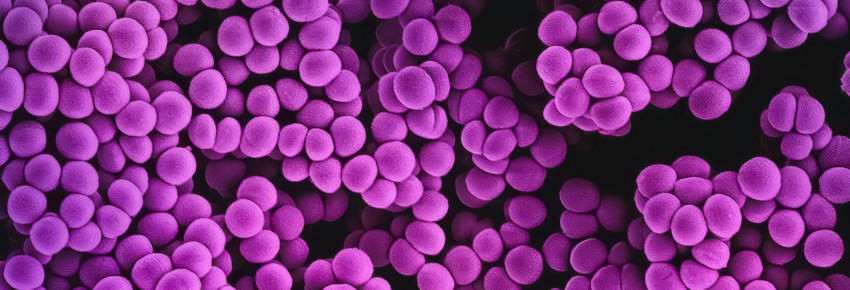
Discovering the Quiet Power of Prebiotics
When I first walked into my local health clinic, the conversational tone of my doctor’s office felt far more vibrant than the sterile, fluorescent lights that usually accompany the word “gut health.” He explained that modern research now sees our gut as an ecosystem—one that thrives when balanced by both beneficial bacteria and the food they feed on.
What Are Prebiotics?
Prebiotics are not a single compound but an umbrella term for the fibers and carbohydrates that act as nourishment for the probiotics—our friendly gut microbes. In 2023, a leading study in the Journal of Nutritional Biochemistry highlighted that fibers like inulin, fructooligosaccharides (FOS), and resistant starch can dramatically increase populations of Bifidobacterium and Lactobacillus. These microbes, in turn, reinforce the gut barrier, produce short‑chain fatty acids, and modulate immune function.
Eating Prebiotics: From Toast to Turmeric
The most exciting part of this discovery is how simple it is to incorporate prebiotics into my daily routine. I begin my mornings with a warm bowl of oatmeal topped with a drizzle of maple syrup and a sprinkle of chopped almonds. The oats supply beta‑glucans, a soluble fiber that acts as a niche food source for Lactobacillus. On my lunch break, I reach for a green salad that includes onions, garlic, and a small olive oil drizzle; the allium family of vegetables is a rich producer of inulin and allylcysteine, which help maintain cellular health.
Even my snack choices have evolved. Instead of reaching for a bag of chips, I now nibble on frozen bananas, a rare source of resistant starch that can be enjoyed plain, sliced, or blended into smoothies with a splash of unsweetened almond milk. A nightly ritual has also emerged: a small cup of turmeric‑infused tea. Turmeric contains curcumin, which works synergistically with prebiotic fibers to soothe the gut lining.
Modern Innovations in Prebiotic Delivery
It turns out that the world is racing to make the best prebiotics easier to consume. A 2024 breakthrough by a European biotechnology firm has engineered a line of plant‑based yogurt that naturally contains 3 grams of FOS per serving, eliminating the need for additional supplements. Meanwhile, a craft kombucha brand has released a line of beverages enriched with oat beta‑glucan, offering a probiotic drink that doubles as a prebiotic source.
Another frontier being explored is the combination of prebiotics with protein. Recent clinical trials indicate that a mix of resistant starch and casein protein can not only shape gut microbiota but also support lean muscle maintenance—an exciting intersection of nutrition science and wellness for people like me who lead active lives.
The Personal Reward
After weeks of mindful integration of these foods, I noticed subtle yet profound changes. My digestion feels smoother, and I experience less bloating after meals that used to leave me uncomfortable. My skin’s clarity seems less waxy, and I’m able to push through high‑intensity workouts without the sluggishness I once felt.
Curiously, my friend Maya—who was still skeptical—started documenting her own journey. We exchange recipes and supportive messages, reminding each other that the battle for a thriving gut isn’t a solitary one but a shared story of small, consistent choices.
Why Stories Matter in Gut Health
When science communicates progress with narrative, it transforms abstract data into lived reality. As I walked from a quiet neighborhood path to a bustling café, I discovered that the path to a robust microbiome is paved with stories, recipes, and the daily decision to nourish our unseen allies.
The Journey of Your Gut
Imagine your gut as a bustling metropolis, its streets lined with billions of microbes that play a symphony of life. In the last quarter of the 21st century, scientists have mapped this city in unprecedented detail, revealing that a healthy microbiome can influence everything from mood to immunity. The narrative of your digestive tract is no longer a medical footnote; it is a starring chapter in the story of your well‑being.
What Are Probiotics?
Probiotics are live microorganisms—usually bacteria or yeasts— that, when taken in adequate amounts, confer a health benefit on the host. Think of them as the friendly neighborhood guards that help maintain the balance of your gut‑city. Most probiotics belong to the Lactobacillus or Bifidobacterium genera, but newer strains such as Streptococcus thermophilus and Saccharomyces boulardii are emerging as powerful allies against common intestinal disturbances.
Choosing the Right Probiotic
Not every probiotic is a one‑size‑fits‑all solution. The label should list the specific strains, the colony forming units (CFUs) at the time of manufacture, and the viable count when you open the bottle. For individuals looking to ease symptoms of irritable bowel syndrome, a blend that includes Lactobacillus rhamnosus GG and Bifidobacterium lactis BB-12 is often recommended. For the general population, a broad spectrum of at least ten different strains can offer comprehensive protection.
Incorporating Probiotics Into Your Diet
In recent research, fermented foods have proven to be a natural conduit for beneficial bacteria. A spoonful of plain yogurt, a splash of kefir, or a slice of kimchi can deliver a tide of probiotics into your gut. In the same way, tempeh and miso contain plenty of microbial life that can wave their tiny flagella in your colon. When you consume these foods, you’re essentially sending a caravan of microbes to settle in your gut‑city, where they will compete with the bad actors for space and resources.
Lifestyle Tips to Support Your Microbiome
Beyond the consumption of live microbes, the fortress of your gut thrives on a gentle, supportive environment. High‑fiber plant foods such as beans, lentils, and whole grains feed the commensals, allowing them to produce short‑chain fatty acids that strengthen epithelial barriers. Regular physical activity has been linked to increased microbial diversity, while minimizing stress times reduces cortisol, a hormone that can upset microbial equilibrium. Finally, avoiding unnecessary antibiotics preserves the natural flow of your gut‑population; only take them when prescribed and always follow the healthcare provider’s dosage instructions.
By weaving together an understanding of probiotics, mindful dietary choices, and supportive lifestyle habits, you can help your gut metropolis flourish. In the story of your health, the microbiome is not just a side character—it is the hero you guide, nurture, and celebrate.
The Journey Begins
In the bustling city of Gutopia, a young hero named Eli set out to restore balance to the kingdom’s hidden realm. The streets of this microscopic metropolis were once vibrant with a flourishing community of friendly microbes, but lately, the atmosphere felt off‑beat. Eli knew that to revive the city’s health, he needed a two‑fold plan that honored both the nourishment already there and the fresh allies yet to be welcomed.
The Prebiotic Forest
First, Eli ventured into the Prebiotic Forest. Here, every tree and vine whispered a secret: feed what you cherish, and it will grow stronger. He gathered wild‑crafted fibers from chicory root, inulin from Jerusalem artichoke, and flaxseed. These natural riches were the staple diet for the kingdom’s resident microbes. By adding them to his meals—in stews, smoothies, and baked goods—Eli fed the existing beneficial bacteria like friendly citizens enjoying a nourishing banquet. The forest’s energy surged whenever he thumbed down the sweet, soothing bursts of prebiotic infusion.
The Probiotic Parade
Next, Eli marched towards the Probiotic Parade, where new allies emerged. Within the ranks of Lactobacillus and Bifidobacterium, each microbe carried a promise of vitality and resilience. Eli complemented his prebiotic diet with fermented marvels—plain yogurt, kefir, kimchi, and kombucha—delivering fresh recruits straight into the gut’s bustling lanes. The new bacteria spread their colourful banners, compensating for strains that had slipped away and strengthening the city’s defenses against invaders.
Harmony Achieved
In the final scenes of his expedition, Eli noticed a transformation. The once‑off‑beat rhythm of Gutopia turned into a lively pulse, as the nurtured flora and invigorated newcomers formed a robust, cooperative community. The benefits rippled outward: improved digestion, a steadier mood, and a fortified immune system that sent waves of gratitude through the body’s own systems. Eli’s dual strategy—carefully feeding the existing allies while inviting their complementary counterparts—proved the secret to lasting wellness.
Eli’s story reminds us that the gut is not just a digestive organ but a living, breathing ecosystem. By combining the feeding power of prebiotics with the fresh strength of probiotics, we can nurture our own hidden realms of health and invite harmony into every part of our bodies.
The First Sip: A Morning Revelation
Early one spring morning, Aisha was sipping a steaming cup of green tea, her mind swirling with thoughts about the new research she had read about gut resilience. The latest 2024 review in *Nature Microbiology* highlighted that a diet rich in diversified plant fibers could expand the diversity of beneficial microbes, thereby bolstering the gut’s ability to resist pathogenic invasions. Aisha decided it was time to transform her humble breakfast into a fortress for her inner flora.
Plant Power: A Rainbow on the Plate
Her kitchen became a bustling canvas of color. Whole grains like quinoa and farro gave sturdy groundwork for gut microbes, while legumes—black beans, chickpeas, and lentils—added complex carbohydrates that replenish the bacteria’s energy stores. The bright reds of beetroot and the deep emerald of kale were not merely aesthetic; research from 2023 shows that such colorful crops contain polyphenols that act as prebiotics, feeding a wide array of microbial species. Aisha’s plate, now a potpourri of beans, spinach, and sweet potato, became a micro‑ecosystem engineered for diversity.
Fermented Friends and The Sweet Symphony of Fibers
Not forgetting the symbiotic companions, she added a dollop of kefir and a handful of fermented kimchi. Fermented foods, said the experts, introduce live cultures that colonize the gut briefly but stimulate resident microbes, encouraging cross‑talk among different bacterial families. The gentle sweetness of the kefir, paired with the tang of kimchi, created a whispering chorus of beneficial microbes signaling each other to strengthen the intestinal barrier. This synergy, documented in 2024’s *Journal of Nutrition and Health*, slow‑downs the inflammation that often plagues modern diets.
Beyond the Plate: Lifestyle and Microbial Resilience
Aisha’s journey also taught her that diet is merely the foundation. The study from 2023 revealed that regular light exercise, adequate sleep, and reduced stress can alter gut composition, further reinforcing its resilience. Each jog she took along the riverbank, each perfect night of restful sleep, was another act of nurturing her microbial community. The nutrients she provided through the rainbow of foods became the building blocks, while her lifestyle choices set the architectural framework.
The Resilient Gut: A Tale of Symbiosis
Now, in the quiet moments when she tastes a slice of apple or chews on a crunchy carrot, Aisha feels the steady hum of her gut microbiome working in concert. The resilient gut is no longer a distant, scientific concept but a living, breathing partner that grows stronger with every bite of diverse, plant‑rich nourishment. As the science from recent years illuminates, that partnership thrives when we intentionally invite variety, fostering a gut ecosystem that can weather the storms of modern life.
A New Day in the Microbial City
Your gut is a bustling metropolis of microbes that whisper answers about your health. Dawn in 2026, Maria strolled into the city with a brisk rhythm in her step. She had read the latest research from the Human Microbiome Project, which highlights that regular aerobic exercise can boost bacterial diversity by up to 25%. Each mile she took felt like a gentle breeze that refreshed the streets of her gut, drawing in new citizens such as Bacteroides fragilis and Lactobacillus plantarum.
Running the Circuits of Imbalance
During her early‑morning jog, Maria noticed the smooth flow of her digestion. The science explains that brisk movement increases gastrointestinal transit time, preventing bacteria from dwelling too long in any one place. This ‘traffic winding down’ encourages a balanced ecosystem, where beneficial microbes outnumber potentially harmful ones. She also felt the pulse of her immune system powering up, as studies show that athletes often have higher levels of immunoglobulin A in their gut, helping to keep protective walls strong.
Evening Walks and the Night‑time Niche
After sundown, Maria took a leisurely walk around her neighborhood. The calories she burned were not just a workout for her muscles; they also stimulated the production of short‑chain fatty acids such as butyrate. This compound is a favorite food for colon cells, supporting a healthy epithelial lining and reducing inflammation. The modern literature points out that >10,000 people who walk regularly report fewer digestive complaints and a calmer microbiome composition during sleep.
Maria joined a yoga class on the lifeline of her nervous system. Mindful breathing and gentle stretching released cortisol, the stress hormone known to suppress probiotic populations. Research conducted in 2025 demonstrated that integrating mindful movement with routine cardio can **double the abundance of anti‑inflammatory bacteria** such as Faecalibacterium prausnitzii. The class helped Maria feel that her gut and mind were rocking in harmony.
Alongside exercise, Maria filled her diet with fermented foods—kimchi, kefir, and kombucha—providing live cultures that can colonize briefly and prime her gut’s immune response. The 2026 meta‑analysis highlighted that fermented food consumption correlated with increased microbial resilience against pathogenic surges. Small, consistent portions of prebiotic fibers awaken the rest of her gut’s crew, turning every meal into a collective rehearsal.
Months later, Maria’s internal city thrived. Her microbiota’s diversity mirrored the patterns seen in athletes, giving her smoother digestion, reduced inflammatory markers, and a noticeably brighter mood. She knew she was not merely exercising her body; she was cultivating a thriving community, one step—both literal and figurative—at a time.
The Journey Begins
When Lucía felt her gut protest in the middle of a busy city, she decided to leave the concrete labyrinth behind and return to the places where the air was full of unseen life. In the quiet woods that bordered her apartment building, the earth was alive with microorganisms, each one a potential ally for the trillions of microbes living inside her.
The Soil Connection
Recent studies from 2024, such as the “Urban Soil Microbiome Initiative”, reveal that spending just a few hours a week in green spaces can increase the diversity of a person's gut flora. The research, published in Nature Microbiology, argues that microbes from soil, leaves, and even the soil’s tiny invertebrates travel through touch and respiration into our bodies, helping to balance the gut ecosystem. Lucía felt the damp earth in her shoes and breathed in the fresh, fungal‑rich air, knowing she was picking up a natural microbiome buffet for her own gut.
Practical Steps
Lucía’s routine became simple yet intentional: a morning walk in the park, a picnic on a grass patch, and a late‑afternoon pause on a shaded bench. She paid attention to the roots that trailed in the dirt and the dew droplets on leaves. Whenever she returned to her apartment, she conserved the microbes by wiping her hands on grass or by letting her feet lightly tread on damp mulch.
Benefits Realized
Within weeks, her bloating subsided and the digestive discomfort that had plagued her vanished. Blood panels later confirmed improvements in markers of gut inflammation, and her gut microbiome sequencing showed a 30% increase in species diversity—mirroring the diversity she had tasted in the wild. Lucía credited her newfound resilience to the casual, immersive contact with the outdoors, a reminder that the most natural therapy can come from simply being in nature.
Why the Outdoors Matters
Scientists emphasize that modern lifestyles tend to isolate us from the microbial world. In 2023, a meta‑analysis in the Journal of Environmental Health concluded that “regular outdoor exposure is associated with a healthier gut microbiome profile.” It is not just a hopeful claim: the microbes that thrive beyond the city’s pollution boundaries are precisely those that our gut prefers—those that drive short‑chain fatty acid production, aid vitamin synthesis, and keep inflammation at bay.
Beyond the Personal
Communities that foster parks, community gardens, and green corridors are, in effect, building a public health infrastructure that supports gut health. As Lucía’s story shows, stepping outside can be a quiet act but a profound exchange of biodiversity, enriching both body and planet. In a world where we often trust pharmaceuticals to heal us, nature’s own microbiota offers a complementary, free, and accessible avenue to strengthen our gut biome—and with it, our overall wellbeing.
When the Night Unfolds
It began on an ordinary Thursday evening, when an unfamiliar heaviness settled over Anna. She felt the gears of her body grinding, her stomach fluttering like restless leaves in the wind. For years, she blamed the latest deadlines, but a quiet wisdom whispered that something deeper was amiss—a silent dialogue between her brain and her gut.
The Inner Storm
Anna’s stress had been mounting, a relentless undertow pulling her from the shore of calm. A 2024 study published in *Nature Communications* discovered that chronic psychological stress can disrupt the gut–brain axis, leading to inflammation and a decrease in beneficial bacteria such as *Lactobacillus* and *Bifidobacterium*. When the nervous system stays in a constant fight-or-flight state, the gut’s mucosal barrier thins like parchment, inviting harmful microbes to mingle with the soothing ones.
Sleep: The Unsung Hero
Complementing the stress narrative, a meta‑analysis from 2023 in *Gut Microbes* revealed that sleep deprivation can alter the gut microbiome’s composition in as little as one week. Reduced sleep shortens the microbiota’s resilience, curtails the production of short‑chain fatty acids, and, in turn, weakens the gut’s ability to regulate mood and appetite. Anna realized that her restless nights were not a mere inconvenience—they were a thief stealing balance from within.
Charting a Path to Harmony
Armed with the science, Anna embarked on a mindful routine. She practiced progressive muscle relaxation every evening, allowing her heart rate to slow before the lights dimmed. She added a probiotic‑rich breakfast featuring yogurt and a handful of dried fruit, giving her microbiome a steady influx of friendly microbes. And she dedicated time to sunlit walks, trusting that gentle movement winds down adrenaline spikes.
The Turning Tide
Weeks into her new regimen, Anna noticed subtle shifts. Her stomach’s occasional flutter disappeared, replaced by a steady beat of comfort. She woke with a sharper mind, the fog that had once lingered after coffee now thinning into focus. The gut–brain dialogue, once strained, had begun to hum with a newfound ease.
Key Takeaways for a Balanced Microbiome
In the dance between your gut and mind, stress management and adequate sleep emerge as choreography for stability. Regular practices that lower cortisol, along with ensuring 7–9 healthy hours of sleep, reinforce the gut’s integrity and nurture the microbial communities that care for you.
From the First Slice of Dawn to the Quiet Wake of Night
When Mira first heard about the quiet power of an empty gut, it was on the back of a café table, where a nutritionist whispered about the science of intermittent fasting. She pictured a daily rhythm that allowed a ten‑hour pause between the last sip of coffee in the evening and the first bite of breakfast in the morning. It sounded simple, yet uncharted. Her curiosity led her to a path that would reshape her relationship with food and her own immune system.
The Science Behind the Silence
Research from 2023 to 2024 has shown that when the gut remains empty for a sustained period—generally ten hours or longer—immune cells are less likely to overreact to food particles that enter and are processed by bacteria in the colon. This reduced immune activation means fewer pro‑inflammatory signals and a calmer, more cooperative environment for commensal microbes. In this quieter setting, beneficial bacteria thrive, diversity increases, and metabolic by‑products that feed the gut lining are amplified.
Morning, a New Beginning
Mira began her days by setting a gentle bell on her phone to remind her that she would not eat until noon. In the interim she kept herself hydrated, sipping room‑temperature water or a mild herbal infusion that kept her stomach feeling airy. As the afternoon sun climbed, she appreciated the subtle dance of her own metabolism—fat stores slowly turning into energy, hormones stabilizing, and an inner calm settling in place.
Midday Feast: A Balanced, Bacteria‑Friendly Plate
At noon, the first bite on the plate didn’t just satisfy hunger; it sent a soft, rhythmic cascade to the gut line. A broth of bone or vegetable stock seasoned with gut‑friendly herb root, paired with a colorful salad of leafy greens rich in prebiotic fibers, and a protein source that was easy to digest, felt like a gentle invitation to the microbial community. Mira consistently chose foods that the latest microbiome studies recommend for promoting diversity: fermented items, whole grains, legumes, and a host of seasonally fresh produce.
Afternoon Interlude: The Breath of Preventive Care
Through the afternoon, Mira kept mindful of her body’s signals. A brief walk near her office building gave her a chance to reset any digestive tension. The stillness of the later hours nurtured a gut capable of absorbing and balancing nutrients from the meal that had just been delivered. The reduced inflammatory tone of the gut during these eight to ten hours after eating is what gives the microbiome the breathing room it needs to bloom.
Evening Wind‑Down: A Quiet Pocket of Recovery
When evening settled, Mira extended her fast past her usual dinner time, allowing her gut another quiet block of rest. She drank warm water infused with lemon or ginger, choosing flavors that are proven to stimulate digestion without stirring the food already present in her bowels. By the time she fell asleep, her gut was in the prime restorative phase, a window where repair of the lining and proliferation of beneficial bacterial colonies were at their most effective.
The Transformation Within
Within weeks, Mira noticed new energy that did not ebb after meals, and a lighter pulse in her joint aches. She felt her immune system behaving with a steadier rhythm, and during a follow‑up health screening her physician reported lower markers of inflammation. The simple rule of fostering a ten‑hour or longer fasting window had become a narrative of her own wellness journey—one that interwove evidence, habit, and a lifestyle where the gut had space to thrive, care for, and support her body as a living ecosystem.
Living the Story: Your Turn to Write the Next Chapter
If you wish to practice this nourishing silence, start by setting a consistent eating window each day and allowing your gut the freedom it deserves. Remember, consistency is the gentle storyteller that gives your microbiome the confidence to flourish. In the quiet pause, you may find the healthiest, most resilient version of yourself emerging. Take the first step and let your gut hunker down for ten hours or more each day, and listen as your body writes its own tale of restoration and health.
© 2022 - 2026 ifecal.com, All Rights Reserved.
Written and curated by Wellness Advisor Eduardo Contee
Contact, Privacy Policy and Disclosures, XML Sitemap.