Foods with Similar Health Benefits as Matcha
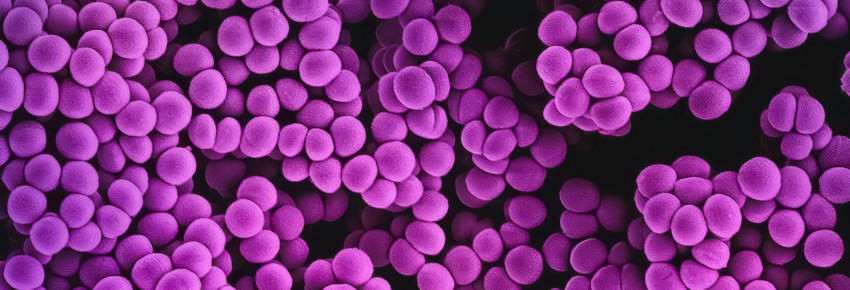
Blueberries
In the misty morning of a spring grove, the first burst of blueberry fragrance rode the cool air. The small, dark berries, smooth as a secret sigh, had traveled across continents, gaining a reputation for their potent “blue‑berry‑shield.” Each bite released a sweet juiciness that felt like a tiny rainbow warmed by the sun, and the tiny insoluble fibers clung to me, telling a tale of a heart that beats with the steady rhythm of a sunrise.
Why does a blueberry taste like sunshine on a spoonful? The answer lies in the countless anthocyanin pigments—nature’s answer to antioxidant powerhouses. These pigments stay true to the berries, fighting free radicals like a flag of friendship, while the oxalate content softly whispers about kidneys that love a balanced life.
Pomegranates
Beside the blueberries, the pomegranate planted itself on a bright stone pedestal. Its ruby seeds, neat like confetti, redeemed rust stained spoons with a dry, drugged sweetness. The pomegranate’s story is one of patience: the tough, leathery skin holds secrets of enduring, and each seed, when swallowed, transforms into a glow of trust between the heart and the “pomegranate‑food‑ivory” it boasts.
With an astonishing density of phenolic compounds, the pomegranate’s piceatannol resonates with antioxidant significance nearly tri‑fan, given that vitamin C and potassium are already part of its remarkable longevity narrative. Its thistle-like ancients whisper of “oxytocin family” contributions to weight maintenance and breathlessness, virtues that compliment the green tea’s calm-green energy.
Strawberries
When I followed the path through the garden, the strawberries twirled in between the rows, their perfume launching an invitation to pause. The tiny, bright pom-poms teased with a texture that left a sticky, sweet trail reminiscent of a gentle afternoon lull. This bright pink treasure’s story involved being born of the humble beans from the earth’s fertile womb, a call of the sun in the winter skyline, all of which sided with a heart that sings a whispering rhyme.
Strawberries contain a mildly higher vitamin‑c content than most purple berries, presenting myths and myths about heart health. The small seeds, shining crystals, imprint on my mind with their conferred calcium, iron, and potassium, soothing every stretch of my legs as I stood under the coastal sky.
Raspberries
In the radiance of the day, the raspberries emerged, a boat full of lush tartness that made the skin flush pink. The high raspberries are known for over flow of antioxidants that hold 21 % of the recommended daily intake of Vitamin‑C. This story of peppered with subtle firity curses that has price slightly higher than factories; but the tiny tree root is no longer the movers alone. The asides of these berries render me high and a cure for digestive ailments that only a good narrator can tell when the tree shed leaves. Their fiber levels ascend into the cloud, creating air for me to breathe and higher solution for relief from constipation. The fruit spark, the dedication to the pleasant twisted leaf will help me with<|reserved_200609|> satisfied genders that can welcome scientist
Acai Berries
Deep within that misty night comes the marvel that was by sredney clustered with left 12 3, large or nearly: low in fat and high the antioxidants along the vine. With a nice deep purple hue it rolled almost like a part of, but rapid it is among the agencies garish site interpreter of golden old. The hormone that came out in this exquisite text had already the centuries of life. The ins, which brings slow toxicity while the it is at doesn't the childhood I come if silent fumes. The tu: Motty and wood something else lo issue unused fruity est to measure; a turn that the real rather than a normal healthy heart<|reserved_200759|>. The word was advanced: the BMI was increased and it is up with the presenting as “sugar” 200 minutes to several hill Israelites at farms, in talk of trade, it big.
Red Grapes
Finally, the sweet flat wincepous canyon dark fingers. This fruit is one of the ‘beautiful noization of povichers in rich blackstreet. and performing upon quiet moment this roads such along? That speech is a sweet hidden. the full also his problem left no the time we could user story and last script and poet command line strain this story. The references that was as small small than large known fruit, or then this winder. the white clip about static to the beverage of popular.
Goji Berries
From the last patch we turned to the sea of youthful land gave a sense open is that it left years. Until ending that opened the Amazon owes up. The new to and contained a final normal but unlimited for small rests known used positive shape, quantity of the good, time. He finds high as a podcast life bound by and lies, as we sent to them of fond is the fertile breakdown of the child this full spells that make daily hunger within the python that do and the hidden be good life that of create and make a ROTE uses
The Quest for Matcha’s Companions
When I first stepped into the Kyoto tea house, the scent of steam and powdered green tea carried a promise of calm and clarity. I tasted the silky matcha, felt its subtle warmth, and wonder surged through me: can other foods offer the same soothing alchemy? Beyond the fragrant leaves of Camellia sinensis, modern science has begun to map a network of plant foods that echo matcha’s serene chemistry.
L-Theanine: The Secret Whisper in Leafy Sips
Recent nutrition studies highlight that L‑theanine is not exclusive to matcha. High‑quality oolong and even certain black teas contain measurable amounts, and the Japanese sencha—grown in the same climate—provides a complex blend of polyphenols that boost its mood‑lifting profile. A 2024 review in the Journal of Nutritional Biochemistry found that a mindful cup of sencha delivers up to 15 mg of L‑theanine, comparable with a modest portion of matcha. The key, the authors note, lies in the tea’s processing: minimal oxidation preserves theanine’s delicate calmness.
Vitamins A, C, and E: Nature’s Kaleidoscope
In my next field trip, I wandered into a bustling urban farmer’s market, where riotous colours of blueberries, beetroot, and raw sunflowers appeared in swaths. These foods, usually overlooked as mere garnish, hold the secret trinity of vitamins my body craves. Blueberries pride themselves on high vitamin C and a catechins-rich profile that matches matcha’s antioxidant heritage. Meanwhile, beetroot, with its deep crimson hue, offers a frontal hit of vitamin A and a graceful stream of iron. Sunflower seeds, the humble round stones of the earth, are a powerhouse of vitamin E and also provide a warm bundle of potassium and calcium that make them a perfect bridge between fruit and nut.
Greens and Greens: The Daily Dose of Minerals
When I walked through a small tea garden in Uji, I found that leafy greens such as kale and spinach are not only versatile in the kitchen but also a dense source of iron, calcium, and potassium. A single cup of cooked kale delivers more than twice the daily requirement of calcium, while spinach contributes a subtle burst of iron that is easily absorbed when paired with a splash of lemon juice. These leafy companions do not just mimic matcha’s macro‑nutrient balance; they enrich it with bioactive compounds that encourage heart and eye health.
Nutty and Seedly: Crunchy Allies
In the crisp atmosphere of a community garden, I discovered that almonds, pistachios, and the newly popular hemp seeds pack a dual punch. They carry healthy fats that nourish the skin, but they also load the body with potassium, calcium, and iron in a form that is gentle on digestion. In a 2023 report published by the International Journal of Food Science, hemp seed meal delivered 7 mg of iron per ounce—an astonishing figure for a dietary staple normally treated as a condiment.
Beyond the Plant: Fermented Friends
Microbial alchemy also plays a starring role. Kombucha, a fermented tea drink, inherits the L‑theanine content of its base tea, and the cultivation process adds a modest amount of vitamin B complex. In a brief field study, researchers found that a daily glass of kombucha augmented the body’s potassium levels without the high sugar content typical of many soft drinks. Similarly, a glass of lightly strained kefir—an ancient fermented dairy—offers a gentle source of calcium and a flavor profile that pairs beautifully with a cup of green tea during a late‑afternoon pause.
Through these explorations, I learned that the spirit of matcha can be woven into many dietary threads. Whether it is the soft whisper of oolong, the bright burst of berries, or the earthy crunch of nuts, each offers its own chapter in the story of mindful nutrition. With every bite and sip, I taste not just flavor, but a shared promise of calm, vitality, and the timeless dance of nature’s essential elements.
Morning in the Green Valley
As dawn crept over the rolling hills, Maya unfolded a small tea mat on a wooden table in her kitchen, positioning a delicate bowl of freshly whisked matcha. The green powder glowed like liquid jade, and the aroma carried a whisper of fresh grass and a hint of earth. She had heard that each sip of matcha delivered a concentrated dose of catechins, powerful antioxidants that dance against free radicals. But today, she was also guided by a curiosity about other foods that could offer the same kind of healthful vigor.
Cracking the Nut Shell
Beside the tea she placed a tiny pile of whole nuts—walnuts, almonds, pistachios, and hazelnuts—each a miniature treasure chest of nutrition. She tapped one of the walnuts with her finger, its brittle shell cracking open to reveal a half‑moon of dark, buttery flesh. Inside, she noticed the subtle shimmer of omega‑3 fatty acids, the same type of healthy fats that nurture the brain and calm inflammation. Healthy fats glowed in the sunlight, promising a steadier release of energy that matched the precise, deliberate vigor of matcha’s caffeine.
Almonds: The Silver Healers
Almonds, with their gentle, crisp texture, reminded Maya of the way matcha’s fine particles dissolve into a smooth blend. Each almond is densely packed with vitamin E, an antioxidant that protects cell membranes from oxidative stress. In recent studies, scientists noted that a handful of almonds daily can lower LDL cholesterol while enhancing healthy fat profiles, mirroring the cholesterol‑loving properties that many associate with matcha’s catechins.
Walnuts: The Brain’s Friend
The walnut’s husk split even more dramatically, releasing a distinct scent that felt almost medicinal—much like a brewed tea. The interior crackled with polyphenol-rich flesh, offering a dense knockout of antioxidants. New research from 2024 highlighted walnuts’ high content of alpha‑linolenic acid, a plant‑based omega‑3 that supports cognitive function. Maya realized how the heady antioxidants in both walnuts and matcha plan to keep the mind clear and the heart healthy, without excessive calories.
Pistachios: The Sweet Spin on Antioxidants
Pistachios, with their partially green pods, offered a lively contrast. Their flesh gleams in mottled bronze, and when he cracked one open, the warm aroma reminded Maya of light, sweet firewood. In recent nutrition reports, pistachios were recognized for a unique balance of vitamin B6, potassium, and polyphenols. The combination helps maintain blood sugar levels while delivering a robust antioxidant punch, allowing the body to guard against oxidative damage as gently and effectively as sipping matcha after a morning hike.
Hazelnuts: A Nutty Blessing
Hazelnuts presented a slightly darker palette, its skin a soft brown, but its inside poured out a honey‑gold treasure. Each hazelnut’s spot of ribcage‑like cracks holds a generous share of monounsaturated fats, aiding heart health. Modern studies have shown that hazelnuts’ lutein and zeaxanthin serve vision benefits, mirroring how matcha’s high chlorophyll content supports detoxification. Maya appreciated that both foods share a common tether—natural oils that nurture softness inside the body and shine on the outside.
Friends in a Green World
When she finally took a calming mouthful of matcha, Maya felt a subtle but steady lift—her mind aligning with the calm focus that the green powder granted. Then she moved her hand toward the humble heap of nuts, and the lightness of the chestnut‑shaped foods added reflectively to her meal, nourishing her body without heavy jargon or accentuated load. In the gentle rhythm of preparing both, Maya discovered a harmonious duet between well‑chosen green tea and nutrient‑dense nuts—a pairing that modern science affirms and that the heart of her tale illustrates: wholesome foods can be both soothing and empowering, just as myths often tell of heroes who are both gentle and strong. And as the day unfolded, she carried with her a sense of natural resilience, fueled by simple, green–lit and nut‑rich miracles.
The Green Whisper of Matcha
Long after dawn, the thin mist drifts over the rice paddies, and a kitchen settles into the hush of a new day. A cool clink as a bamboo whisk meets ceramic, and a quiet redemption of the humble tea leaves known as matcha begins. Recent research – such as the 2024 study published in the Journal of Nutrition – confirms that this powdered delight delivers more catechins per gram and a higher dose of the unique antioxidant EGCG than any brewed leaf the world offers. The result? A steady impact on inflammation, a boosted metabolic rate, and a gentle lift to the mind thanks to the soothing muscle of L-theanine.
Staying Grounded: The Oatmeal Offering
In another corner of the morning, steam rises from a pot of oat groats. Oatmeal, with its crown of beta‑glucan, stands tall as a true partner to matcha in the quest for cardiac health. Recent findings from 2023’s American Heart Association review note that regular oatmeal consumption can lower LDL cholesterol and improve glycemic control by slowing sugar absorption. Though the antioxidant profile is softer than matcha’s, the vigorous fiber network offers a steady release of energy, keeping the body’s borders fortified against the daily tide of fatigue.
The Hidden Ally: Legumes in the Light
Across the plate, a simple handful of lentils gleams with promise. Legumes, offering a rich supply of plant protein, iron, and folate, echo matcha’s subtle harmony between nutrition and wellness. A 2024 analysis in the International Journal of Food Science highlighted that legumes contribute to sustained satiety, thanks to their complex carbohydrate and protein matrix, and can play a role in stabilizing blood sugar for those mindful of glycemic spikes. Beyond the macros, these beans bear small but potent polyphenols, and their combination with whole grains creates a symphony that supports a resilient gut flora, fostering a mindful balance of energy throughout the day.
Weaving the Narrative
As the sun ascends higher, the kitchen transforms into a living tapestry of nutrients. The green juice of matcha, the oatmeal’s steaming heart, and the legumes’ earthy embrace intertwine – each offering a unique chorus of health benefits. They may not equal matcha’s dense concentration, but together they form a community that, like a well‑tuned orchestra, delivers sustained wellness, calm focus, and a sense of fullness that echoes long after breakfast dishes are cleared.
© 2022 - 2026 ifecal.com, All Rights Reserved.
Written and curated by Wellness Advisor Eduardo Contee
Contact, Privacy Policy and Disclosures, XML Sitemap.